
The global additive manufacturing sector continues its fast transition from rapid prototyping toward end-use industrial component production. At the Formnext + PM South China 3D Printing and Additive Manufacturing Exhibition (October 14–16, 2026, at the Shenzhen World Exhibition & Convention Center, Bao'an), leading equipment manufacturers, material scientists, and procurement engineers gather to discover next-generation material solutions.
Exhibiting at Hall 15, Booth J80, Qingdao Zhongxin Huamei Plastic Co., Ltd. showcases its specialized line of custom 3D printing polymers engineered to overcome long-standing industrial printing bottlenecks—including thermal warpage, z-axis delamination, print bed corner lifting, and outdoor weathering degradation.
What Field Hazards Challenge Industrial Additive Manufacturing?
Engineering teams across aerospace, marine hardware, national power grid infrastructure, new energy vehicles (NEVs), and heavy industrial equipment face severe material hurdles during industrial additive manufacturing:
Thermal Shrinkage & Part Distortion: Large-format fused deposition modeling (FDM) and direct pellet extrusion (FGD) prints develop internal thermal stress, causing severe corner curling and dimensional distortion.
Weak Z-Axis Interlayer Bonding: Inconsistent melt viscosity leads to weak mechanical adhesion between printed layers, resulting in structural shearing under load.
Severe Operational Environments: Functional end-use parts deployed in outdoor power grids or automotive under-hood systems degrade quickly under ultraviolet (UV) radiation, high heat, and chemical contact.
Processing Instability in Reinforced Polymers: Carbon fiber or glass fiber filled compounds can cause nozzle clogging, uneven fiber distribution, and melt pressure drops during continuous printing.
Technical Advantages of Specialized 3D Printing Polymer Pellets
Engineered custom 3D printing polymers incorporate optimized rheological modifiers and thermal stabilization packages tailored for both filament extrusion and direct pellet printing:
Minimal Volumetric Shrinkage: Reduces internal cooling stress across large print beds, eliminating corner lifting and warpage during multi-hour build cycles.
Superior Interlayer Thermal Fusion: Chemically modified polymer backbones promote inter-chain polymer diffusion across print layers, creating isotropic mechanical strength.
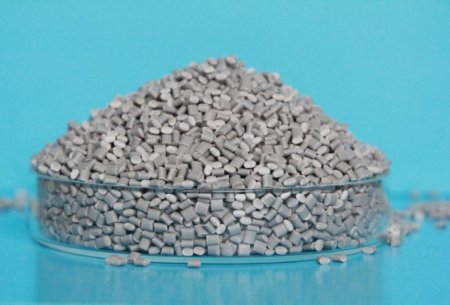
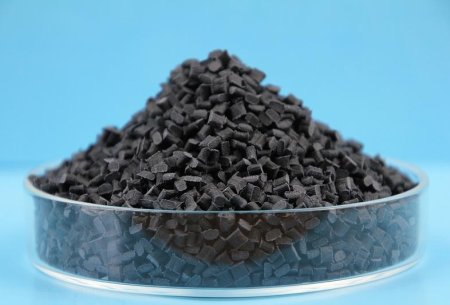
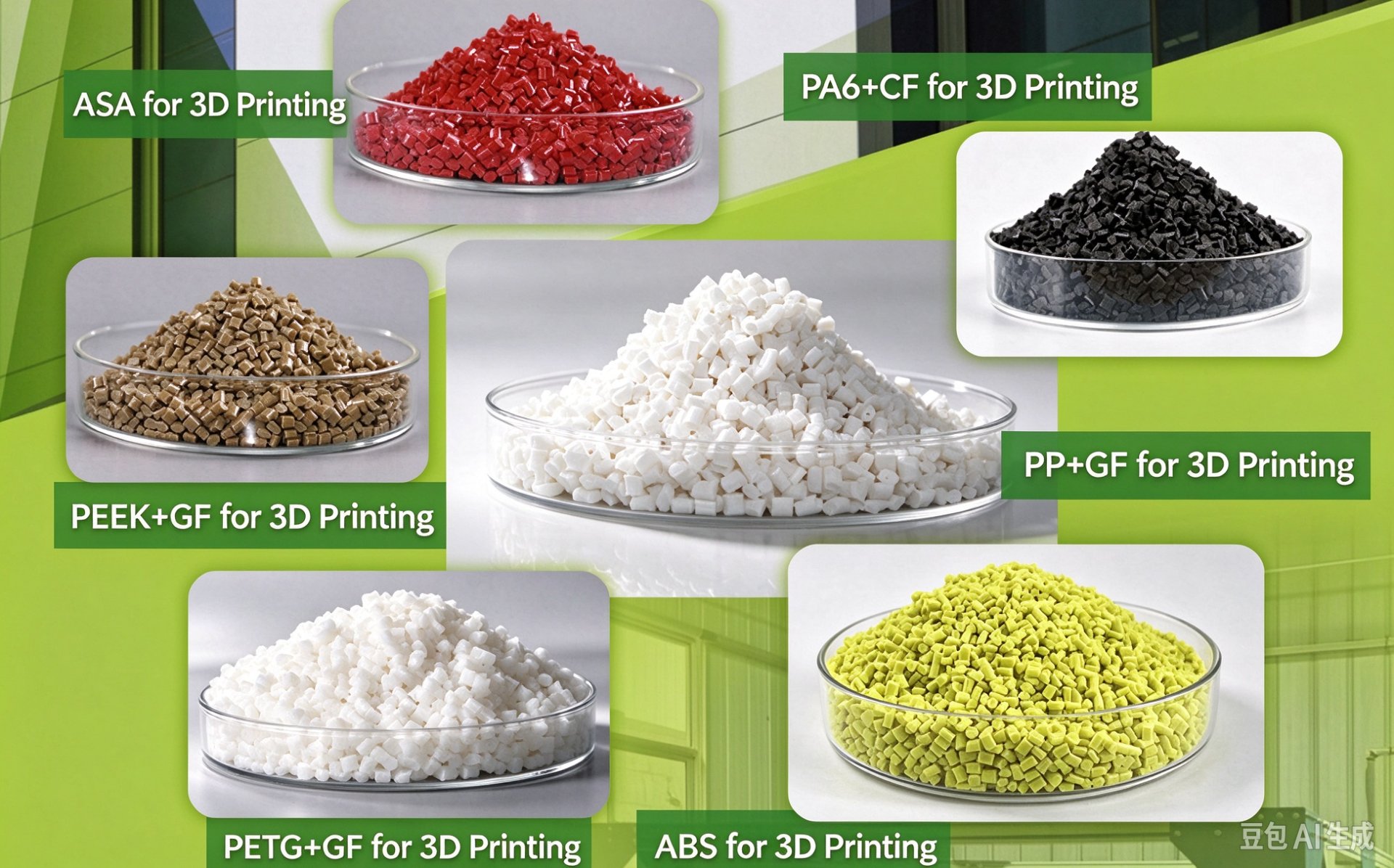
High-Temperature & Fiber Reinforcement: Offers carbon fiber (CF) and glass fiber (GF) reinforced PEEK, PPS, PPA, and PP compounds for extreme thermal and mechanical duty.
Inherent UV Stability & Weatherability: Formulated with advanced light-stabilizer packages (such as outdoor weatherable ASA compounds) to prevent chalking, yellowing, and impact decay.
Smooth Viscosity for Pellet & Filament Lines: Consistent melt flow index ensures uniform extrusion pressure, eliminating nozzle clogs and surface stringing.

Material Performance Comparison for Additive Manufacturing
| Performance Metric | Custom 3D Printing Polymers (Qingdao Zhongxin Huamei) | Commodity Unmodified Filaments | Standard Recycled Compounds |
| Dimensional Warpage Risk | Low (Optimized Thermal Control) | High (Prone to Bed Lifting) | Extreme |
| Z-Axis Interlayer Adhesion | High (Isotropic Chemical Fusion) | Moderate to Low | Weak (Layer Delamination) |
| Fiber Reinforcement Options | CF/GF Reinforced PEEK, PPS, PPA, PP | Unreinforced | Inconsistent Fiber Length |
| Thermal Deflection Resistance | High (Tailored for Industrial Duty) | Low | Low |
| Extrusion Defect Rate | Low (Smooth Melt Behavior) | Variable | High (Viscosity Fluctuations) |
High-Performance Polymer Portfolio Featured at Booth J80
Visit our technical engineering team at Hall 15, Booth J80 to inspect physical print samples, review material test reports, and discuss custom compounding tailored to your specific application:
High-Temperature Special Polymers: Carbon/Glass Fiber Reinforced PEEK, PPS, and PPA compounds for extreme aerospace, marine, and industrial applications.
Weatherable Outdoor Resins: Anti-UV ASA and PC/ASA modified pellets for long-term outdoor infrastructure and electrical equipment housings.
High-Rigidity Structural Compounds: Glass Fiber Reinforced PP compounds engineered for low shrinkage, chemical inertness, and light weighting.
General Engineering Grade Pellets: Specially formulated ABS, PC/ABS, PA6, and PETG compounds for high-speed filament production and large-scale pellet 3D printers.
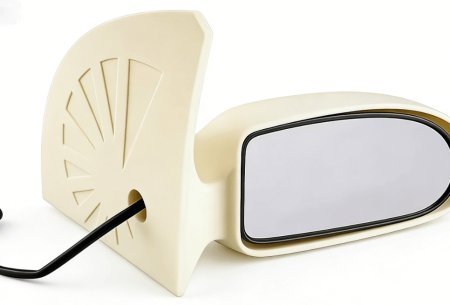
Alongside specialized additive manufacturing compounds, we supply prime general-purpose engineering resins including Chimei ABS PA-757Q for high-gloss, low-odor equipment covers and industrial enclosures.
Partner with Qingdao Zhongxin Huamei Plastic Co., Ltd.
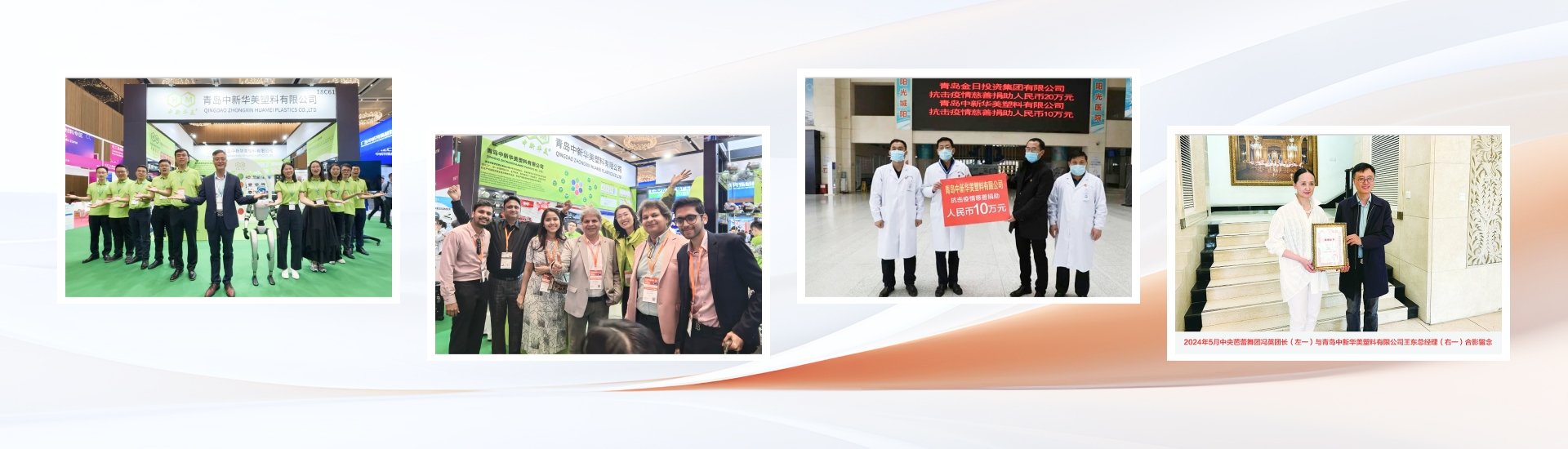
Selecting a certified polymer source factory requires verifying raw material compounding precision, automated color consistency, and batch-to-batch physical property stability. Established in May 1997 as an official joint venture enterprise backed by CHIMEI Corporation, Qingdao Zhongxin Huamei Plastic Co., Ltd. is a certified National High-Tech Enterprise and a national "Little Giant" enterprise with 30 years of custom compounding expertise.

Operating across a 45,000 m² modern manufacturing facility equipped with 30 automated granulating lines and an annual production capacity exceeding 100,000 tons, our factory utilizes an automated digital MES process management system to monitor parameters and guarantee zero-defect batch consistency. We proudly serve global leaders across automotive, robotics, 5G telecommunications, drones, and medical device sectors.
We warmly invite procurement managers, equipment manufacturers, and R&D engineers to visit Hall 15, Booth J80 at the Formnext + PM South China Exhibition (October 14–16, 2026, Shenzhen) to discuss custom material formulations, evaluate test samples, and streamline project development under FOB or EXW terms.