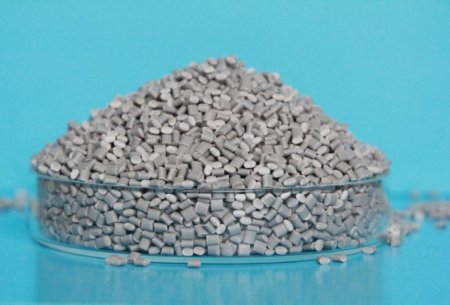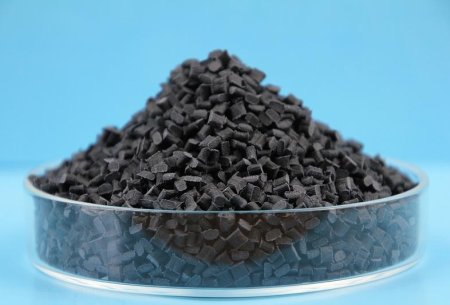

As industrial additive manufacturing transitions from rapid prototyping to direct end-use production, standard polypropylene (PP) faces major technical hurdles—notably severe part warping, weak interlayer bonding, and low thermal resistance. Incorporating glass fiber reinforcement into modified PP matrix granules fundamentally resolves these shrinkage and rigidity bottlenecks.
Engineered for both Fused Granular Fabrication (FGF pellet printing) and Fused Deposition Modeling (FDM filament extrusion), specialized glass fiber reinforced PP granules deliver a lightweight, corrosion-resistant, and high-strength polymer solution. This material effectively eliminates dimensional distortion, interlayer splitting, and thermal sagging in large-format industrial 3D printing.
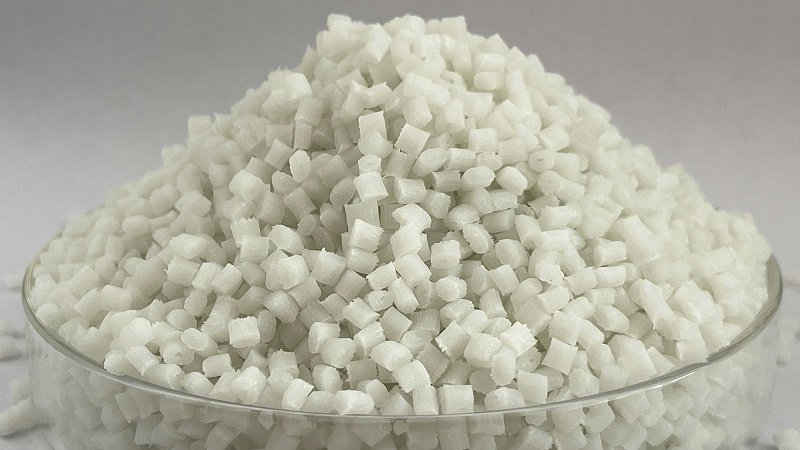
Key Mechanical & Thermal Advantages for Additive Manufacturing
Our industrial-grade glass fiber reinforced PP material combines structural rigidity with low volumetric contraction to support complex, large-scale prints:
[Industrial FGF Granular Printing] ➔ [Glass Fiber Reinforced PP Matrix] ➔ [Low Shrinkage (0.3%-0.7%)] ➔ [Zero Warp Large-Format Structural Parts]
Exceptional Mechanical Strength: Tensile strength ranges from 70 to 95 MPa, accompanied by a flexural modulus reaching up to 9,800 MPa. This gives printed structural parts high load-bearing capacity and impact defense.
High Thermal Deflection (145°C–155°C): With a heat deflection temperature (HDT) of 145°C to 155°C, printed components withstand demanding thermal environments without softening or losing dimensional stability.
Minimal Warping & Low Shrinkage: Mold/print shrinkage is reduced to 0.3%–0.7%. This low-contraction profile prevents edge curling, bed lifting, and geometric warping during large-format or asymmetric builds.
Superior Surface Finish & Chemical Defense: Formulated with an optimized interface coupling system, the material minimizes fiber floating on printed surfaces. It resists acids, alkalis, electrolyte solutions, and cutting fluids, making it ideal for harsh chemical conditions.
5% Production Yield Improvement: Consistent melt flow and uniform fiber dispersion reduce nozzle clogging and layer delamination, increasing final part yield rates by approximately 5%.
Diverse Industrial Applications for Functional Parts
From rapid functional prototyping to low-volume direct production, this material is specified across high-demand sectors:
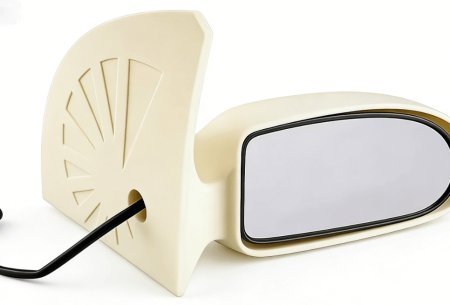
Automotive & Truck Equipment: Air filter housings, engine bay bracketry, and custom assembly jigs.
Home Appliances & HVAC: Air conditioner fan blades, warm-edge spacers, and structural housings.
Aerospace & Tools: Drone airframes, power tool enclosures, and chemical-resistant fluid reservoirs.
Technical Specification Overview: 3D Printing Grade GF-PP Granules
| Performance & Printing Metric | Tested Material Benchmark | Primary Manufacturing & Field Benefit |
| Material Base Classification | Glass Fiber Reinforced PP Granules | Reinforced polypropylene compound tailored for FGF and FDM extrusion. |
| Tensile Strength Range | 70 – 95 MPa | High structural toughness for load-bearing industrial components. |
| Flexural Modulus Upper Limit | Up to 9,800 MPa | Outstanding rigidity; eliminates part flexing under dynamic loads. |
| Heat Deflection Temp (HDT) | 145°C – 155°C | Suitable for high-temperature under-hood and industrial environments. |
| Volumetric Shrinkage Rate | 0.3% – 0.7% | Low contraction prevents corner curling and layer separation. |
| Chemical Resistance Profile | Acids, Alkalis, Cutting Fluids | High chemical stability for automotive and industrial fluid handling. |
Partner with a Certified Source Compounding Factory
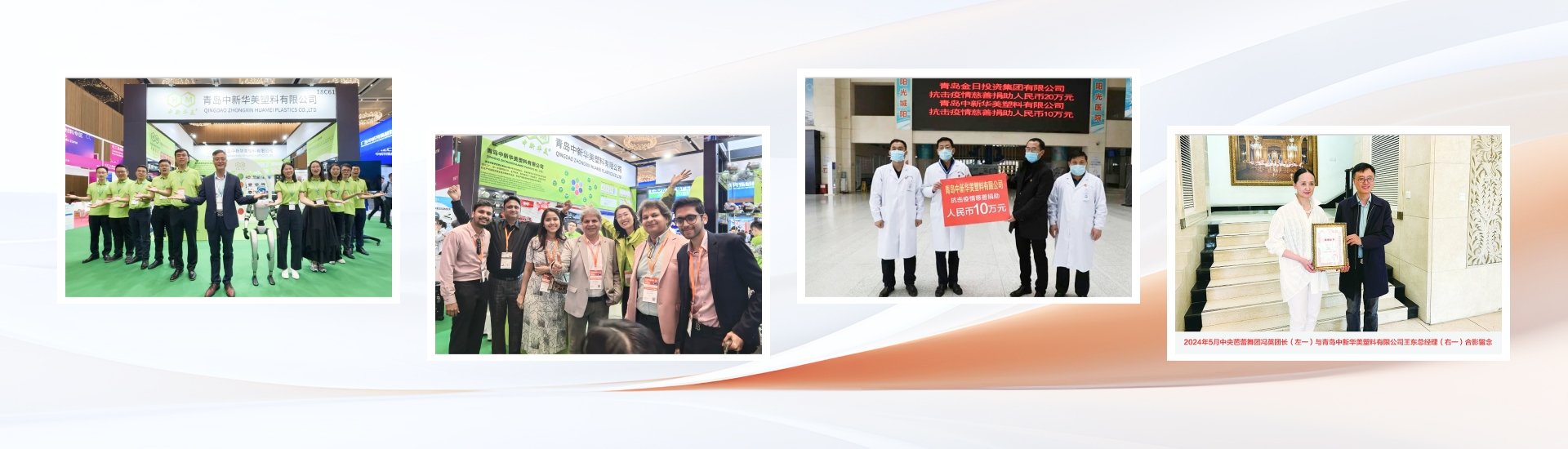
Achieving consistent 3D print quality requires raw pellets with stable glass fiber orientation and zero melt index variance. Qingdao Zhongxin Huamei Plastic Co., Ltd. is an established, 30-year modified engineering plastics compounding enterprise operated as an official joint venture with CHIMEI. Operating out of a 45,000 m² standardized manufacturing facility, we run 30 imported Coperion compounding lines with an annual production capacity exceeding 100,000 tons.
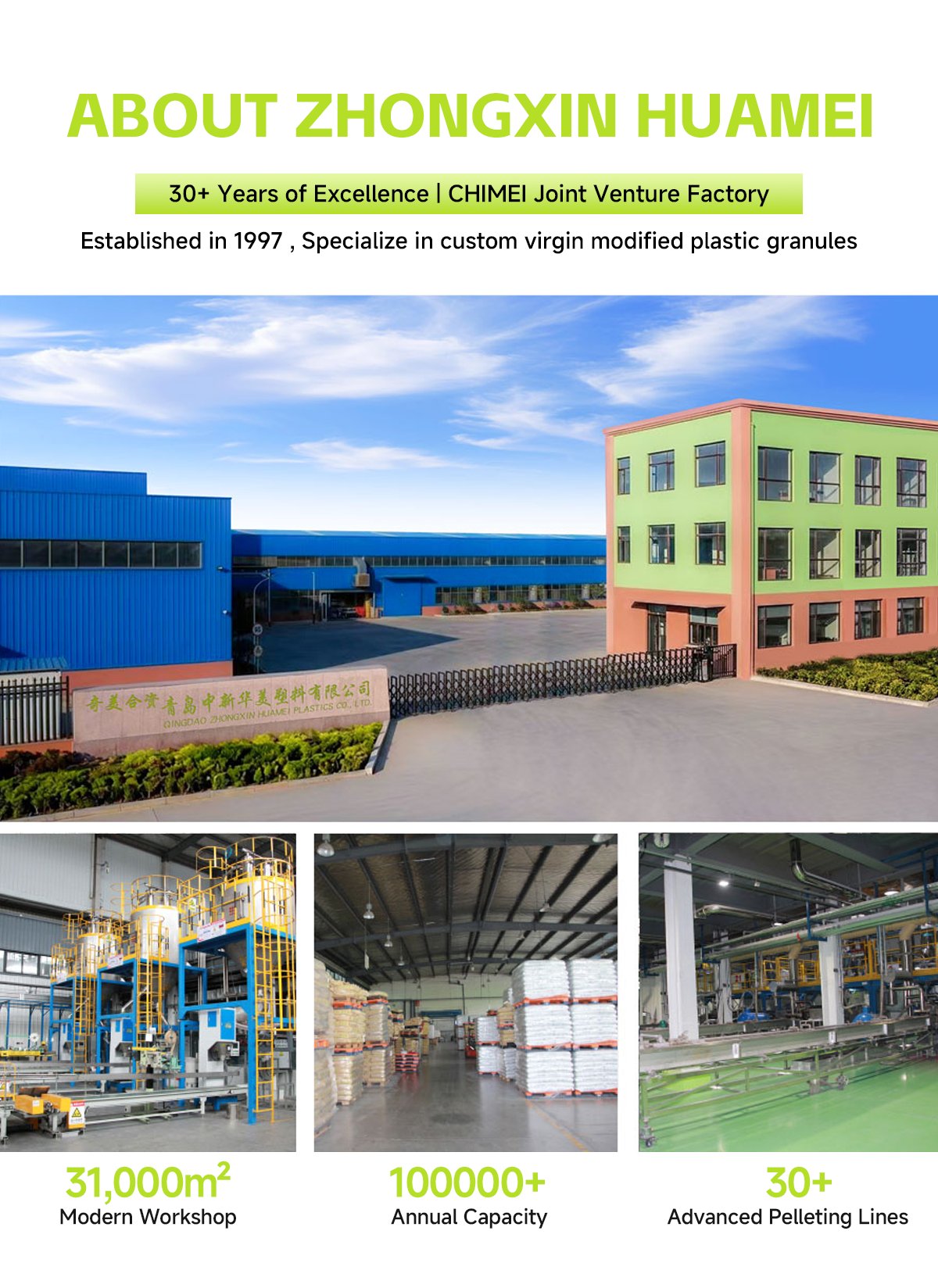

Our production processes are continuously monitored by an integrated MES tracking system to guarantee exact fiber-to-matrix bonding and defect-free batch uniformity. We offer fully customizable glass fiber loading ratios (e.g., 10% to 40% GF), specialized color matching, and MFI tuning tailored specifically for pellet-extrusion 3D printers and filament production lines. We are proud to serve as a trusted long-term material supplier for global leaders including Huawei, Wanhua, ByteDance, Midea, Goertek, Weigao, FAW, and many others.
Request a Technical Datasheet & Custom Evaluation Sample Batch
Direct Compounding Source: Qingdao Zhongxin Huamei Plastic Co., Ltd.
Global Hotline Support & WhatsApp: +8618765279757 (WeChat Available)
Official Corporate Email: info@qdzxhm.com.cn
Approved Commercial Shipping Terms: FOB / EXW Direct Factory Dispatched
Custom Sourcing Services: Custom Glass Fiber Ratio Calibration (10%–40% GF), Melt Flow Index Tuning for Large-Nozzle FGF Printing, Flame Retardant Additions, Precision Color Matching.