
In traditional foundry pattern manufacturing, wooden molds suffer from moisture absorption, warping, and short service lifespans, while metal molds require expensive CNC tooling and long lead times. On the other hand, standard unreinforced polypropylene (PP) 3D printing filaments exhibit high thermal shrinkage and insufficient flexural rigidity, failing to meet strict dimensional accuracy requirements for foundry casting operations.
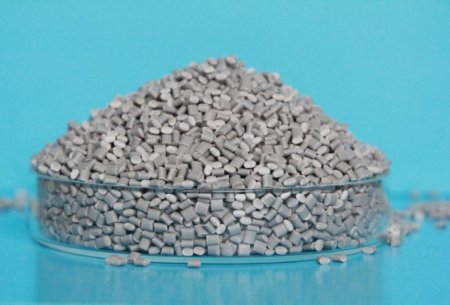
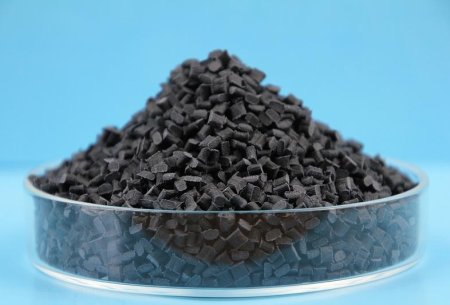
To eliminate these manufacturing bottlenecks, Qingdao Zhongxin Huamei Plastic Co., Ltd. provides specialized Glass Fiber Reinforced PP resin formulated specifically for large-format 3D printed cast iron molds, foundry sand patterns, and custom manufacturing tooling.
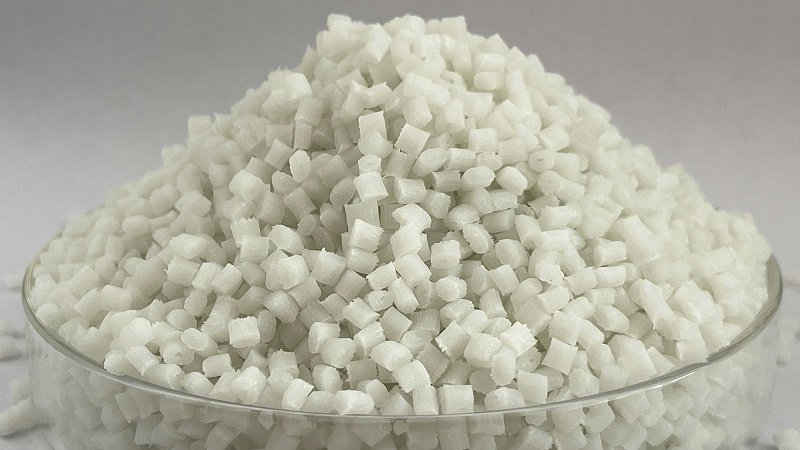
What Key Challenges Affect Traditional and 3D Printed Foundry Molds?
Foundry engineers and pattern makers face significant physical constraints when fabricating complex iron casting molds:
Dimensional Instability and Moisture Degradation: Traditional wooden patterns absorb shop-floor moisture, causing swelling, edge cracking, and dimension loss during storage.
High Tooling Cost and Long Prototyping Cycles: Machining solid metal patterns requires expensive multi-axis CNC equipment, creating cost barriers for small-batch casting runs.
Severe Crystallization Shrinkage and Warpage: Unmodified 3D printing PP resins undergo excessive volumetric shrinkage during cooling, resulting in warped cavities and layer delamination.
Machining and Post-Processing Vulnerability: Printed mold blanks must possess high mechanical strength and thermal stability to allow post-print CNC trimming, drilling, and sand compaction without chipping or cracking.
Technical Advantages of Glass Fiber Reinforced PP 3D Printing Compounds
Engineered glass fiber reinforced PP resin addresses these processing and structural limitations by enhancing mechanical stiffness, thermal resistance, and melt flow:
Significantly Reduced Mold Shrinkage: Glass fiber loading controls volumetric shrinkage during cooling, ensuring exceptional dimensional stability for large-sized, intricate mold cavities without curling or warping.
High Rigidity and Compressive Toughness: Delivers superior tensile strength, flexural modulus, and impact resilience, enabling printed molds to withstand heavy sand compaction loads and thermal baking cycles without softening or corner chipping.
Direct CNC Machinability: High structural integrity allows direct post-print CNC cutting, milling, and fine edge polishing, simplifying finishing workflows and ensuring tight tolerance control.
Accelerated Prototyping Efficiency: Eliminates preliminary metal mold tooling steps, shortening foundry pattern development cycles while lowering overall prototyping and labor costs.
Seamless Compatibility with Industrial 3D Printers: Features optimized melt flow characteristics for continuous, clog-free extrusion on large-format industrial pellet 3D printing equipment.
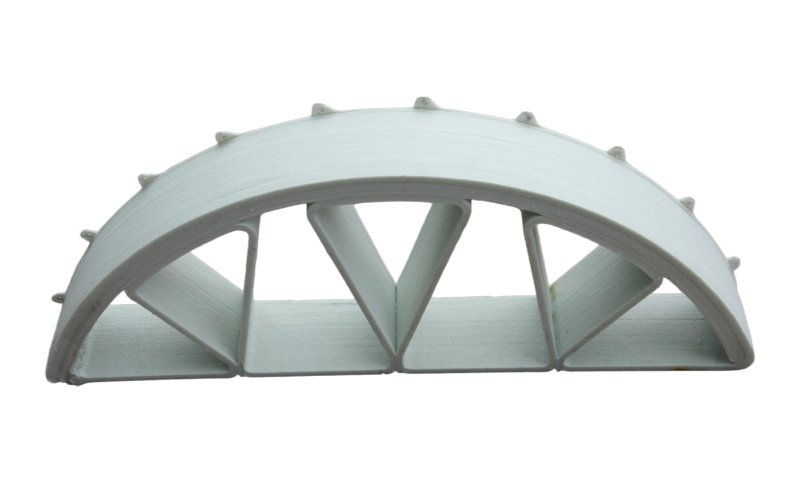
Material Performance Comparison for Foundry Pattern Tooling
| Performance Metric | Glass Fiber Reinforced PP Resin | Traditional Wooden Pattern | Machined Metal Mold (Aluminum/Steel) | Unreinforced Standard PP Resin |
| Moisture Absorption & Swelling | Zero Moisture Deformation | High (Prone to Swelling) | None | Zero Moisture Deformation |
| Tooling Lead Time & Cost | Fast & Low Cost (Direct Print) | Moderate Cost / High Labor | High Cost / Long Lead Time | Fast & Low Cost |
| Dimensional Stability & Warpage | High Precision (Low Shrinkage) | Poor (Environmental Shifts) | Ultra-High | Poor (High Thermal Shrinkage) |
| Machinability & Post-Processing | Excellent (Direct Cutting & Sanding) | Easy | Requires Heavy CNC Equipment | Poor (Soft / Prone to Burrs) |
| Mold Service Lifespan | Longer than Wooden Patterns | Short | Long | Short |
Partner with Qingdao Zhongxin Huamei Plastic Co., Ltd.
Selecting a certified polymer source factory requires verifying raw material compounding precision, adjustable fiber reinforcement levels, and batch-to-batch physical property consistency. Established in May 1997 as an official joint venture enterprise backed by CHIMEI Corporation, Qingdao Zhongxin Huamei Plastic Co., Ltd. is a certified National High-Tech Enterprise with nearly 30 years of compounding expertise.
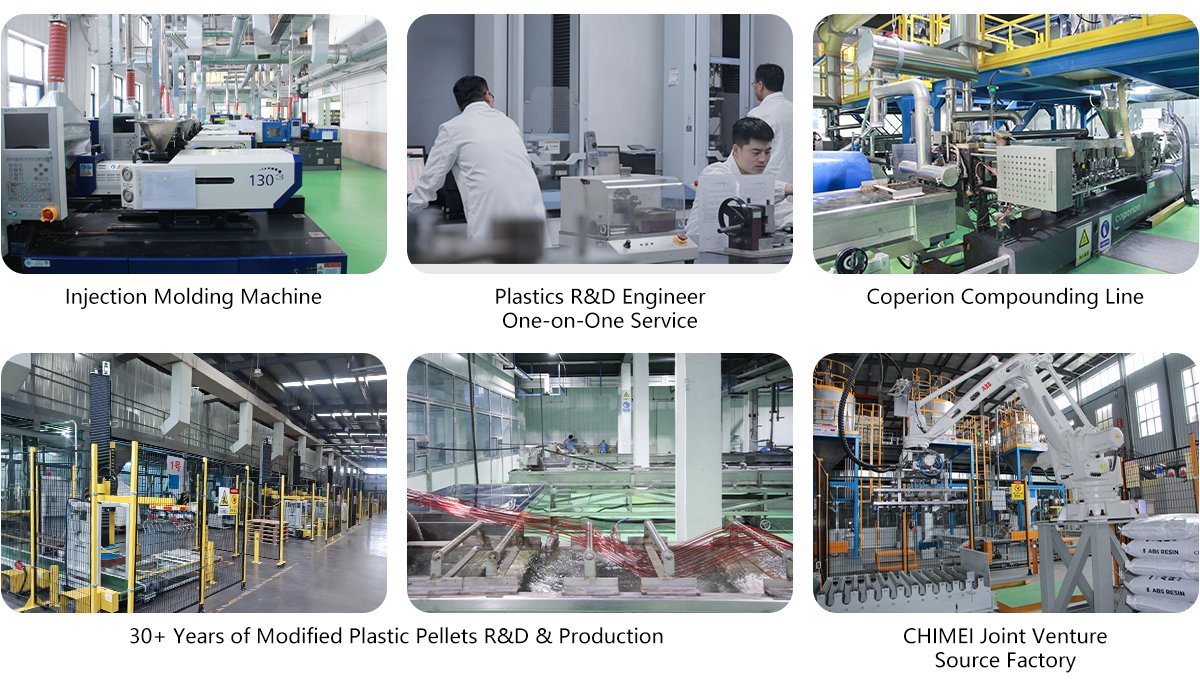
 Operating across a 45,000 m² modern manufacturing facility equipped with 30 automated granulating lines and an annual capacity exceeding 100,000 tons, our technical engineering team provides tailored material formulation services. We offer custom glass fiber loading ratios, flame retardancy adjustments, and heat deflection optimizations to meet specific 3D printing build envelopes and foundry casting conditions.
In addition to 3D printing PP compounds, we supply prime general-purpose injection molding resins, including Chimei ABS PA-757Q for high-gloss, low-odor equipment covers and industrial enclosures. Contact our technical sales team under FOB or EXW shipping terms to request technical datasheets, receive fast sample shipments, and order evaluation batches.