
As industrial 3D printing technology expands into mass production, material defects have become the biggest roadblock to stable manufacturing of complex thin-wall and heavy-load components. Standard pure 3D printing plastic materials are lightweight and resistant to chemical erosion, yet they lack enough tensile rigidity, heat resistance and dimensional stability. These flaws make regular PP impossible to meet strict production standards for automotive lightweight parts, humanoid robot frames and short-run industrial injection molds.
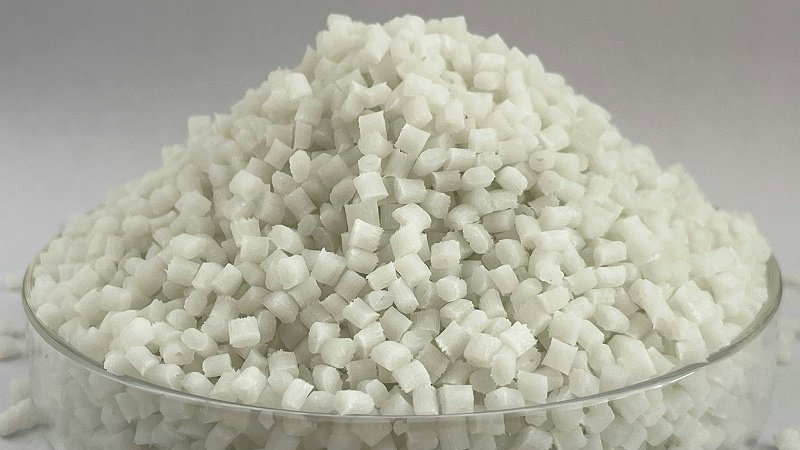
Many industrial buyers are now searching for reliable high-performance printing materials, and glass fiber reinforced PP for 3D printing stands out as a cost-effective and high-performance solution to all the above manufacturing pain points. This article breaks down the drawbacks of traditional printing plastics, analyzes real industrial working conditions, and introduces customized modified plastic products from Qingdao Zhongxinhuamei Plastic Co., Ltd, focusing on our mature low warpage glass fiber filled PP filament for industrial additive manufacturing.
H2: Main Industrial Pain Points Caused By Ordinary 3D Printing PP Materials
Factory purchasing managers and 3D printing engineers face three recurring production issues when using unmodified PP filaments for industrial projects. All these problems originate from the weak natural physical properties of pure polypropylene.
First, pure PP prints suffer severe warpage and high molding shrinkage. Large thin-wall auto tooling or intricate robot structural frames often bend after cooling, resulting in dimensional errors that make finished parts unusable. Second, ordinary PP has low tensile strength and flexural modulus. Custom printed jigs for automobile interior assembly cannot withstand repeated clamping impact, leading to frequent part cracking and short service life. Third, standard PP features low heat deflection temperature. Temporary injection molds printed with pure PP deform easily under high-temperature molten plastic during molding, which cuts down mold service cycles and raises overall production costs.
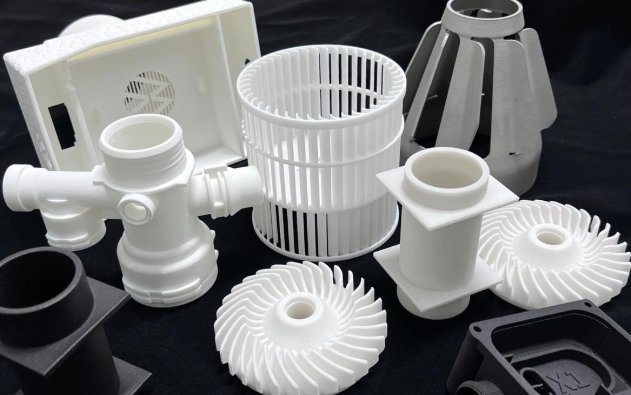
All these manufacturing headaches can be fully eliminated by switching to high-quality glass fiber reinforced PP for 3D printing, a professional modified plastic product independently developed and produced by Qingdao Zhongxinhuamei Plastic Co., Ltd.
Core Performance Advantages Of Glass Fiber Reinforced PP for 3D Printing
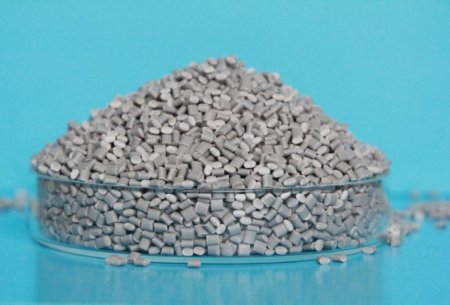
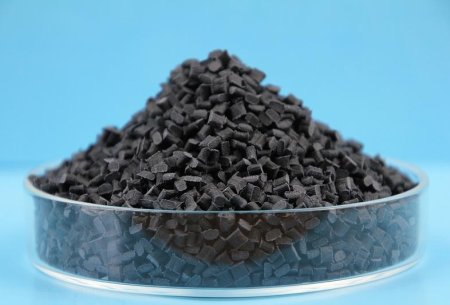
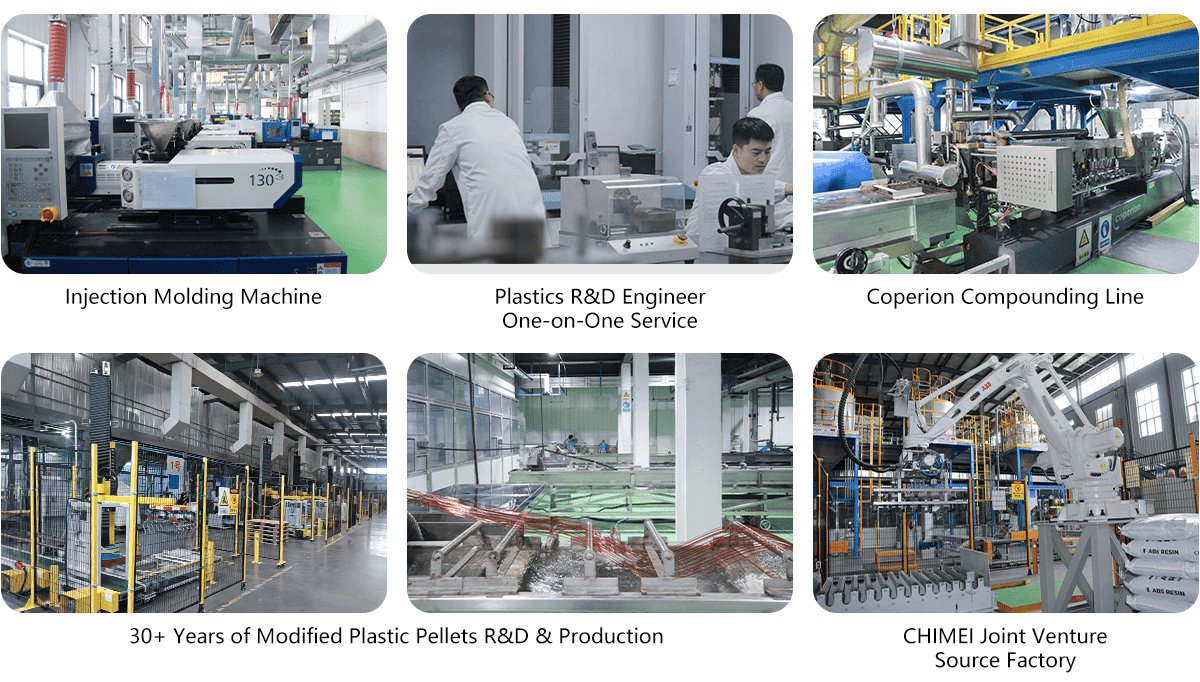
Our factory’s high rigidity 3D printing PP compound adds precise proportions of short glass fiber into the PP base resin via advanced twin-screw granulation lines, greatly upgrading the material’s mechanical and thermal performance compared with virgin PP.
The glass fiber filler drastically lifts the material’s tensile strength, flexural modulus and heat deflection temperature. Printed workpieces can carry much heavier static and dynamic loads and stay stable under continuous medium-high temperature working environments. More importantly, this low shrinkage glass fiber reinforced PP for industrial molds controls the overall shrinkage rate to an extremely low range. Whether you print oversized thin-wall shells or intricate interlocking industrial structures, finished products retain precise dimensions and will not deform even after months of continuous use.
This modified PP filament also delivers balanced printing fluidity. It works smoothly with mainstream industrial FDM 3D printers without nozzle clogging, cutting material waste and boosting printing yield for mass batch orders.
Multi-Scenario Industrial Applications Of Our Modified 3D Printing PP Material
From automotive production workshops to robot R&D labs and mold-making factories, our glass fiber reinforced PP for 3D printing matches a wide range of harsh industrial working conditions and delivers targeted production solutions for each sector.
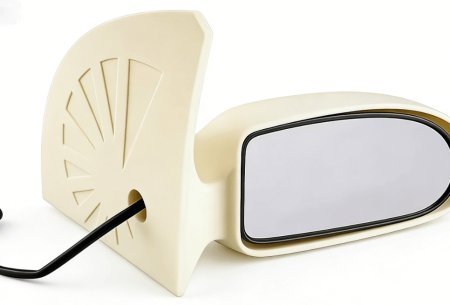
For the automotive manufacturing industry: Many car factories need lightweight assembly fixtures and prototype structural parts. Our lightweight 3D printing PP for auto tooling meets vehicle lightweight design requirements while offering strong impact resistance. Printed assembly jigs can endure thousands of repeated clamping operations without cracking, replacing expensive metal prototypes and slashing part production lead times.
For industrial mold processing plants: Small-batch custom plastic products no longer require costly metal injection molds. Manufacturers can rapidly print temporary forming molds with our glass fiber filled PP filament. The material’s excellent heat resistance adapts to regular plastic injection processes, shortening mold delivery cycles from weeks to several days and lowering small-scale mold manufacturing expenses significantly.
For robotics research and production lines: Engineers print custom test frames and lightweight functional brackets for quadruped and humanoid robots. The low-warpage feature ensures all assembled robot components fit tightly without assembly gaps, supporting accurate robot movement tests.
Why Choose Qingdao Zhongxinhuamei As Your Supplier Of 3D Printing Modified Plastics
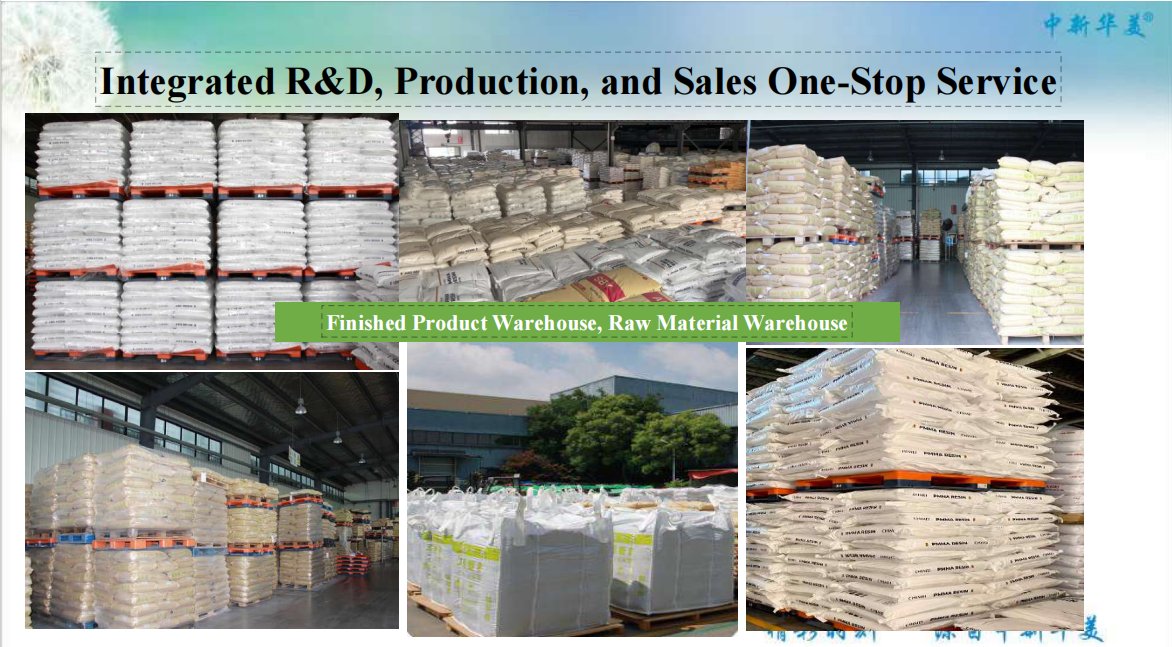
Qingdao Zhongxinhuamei Plastic Co., Ltd holds thirty years of professional experience in modified and colored plastic pellet manufacturing, certified as a national high-tech enterprise. We own complete in-house R&D labs, German twin-screw production equipment and full MES production monitoring systems to guarantee consistent batch quality for every roll of our glass fiber reinforced PP filament.
Our technical team provides all-round one-stop customized service for industrial 3D printing clients. Based on your unique working conditions, load requirements and color standards, we adjust glass fiber content, optimize material formulas and offer dedicated printing process guidance. We can fully tailor our high rigidity 3D printing PP compound to match your factory’s printer models and end-product performance standards.
Besides our star product glass fiber reinforced PP for 3D printing, our full modified plastic portfolio covers carbon fiber reinforced nylon for sports equipment, weather resistant ASA for automotive exterior parts, flame retardant PC/ABS for consumer electronics and talc filled PP for car interior panels, supplying all-in-one plastic material solutions for dozens of industrial sectors.
Final Words
As industrial additive manufacturing keeps expanding its market share, choosing proper printing raw materials directly decides your factory’s production yield, product quality and long-term manufacturing costs. Ordinary unmodified PP filaments cannot cope with heavy-load, high-temperature and high-precision industrial production demands, bringing constant waste and delays to your production line.
Glass fiber reinforced PP for 3D printing, the specialized modified plastic material made by Qingdao Zhongxinhuamei Plastic Co., Ltd, fixes all dimensional warpage, low strength and poor heat resistance issues of traditional printing plastics. Our low shrinkage glass fiber reinforced PP for industrial molds works perfectly for automotive tooling, robot prototype parts and short-run injection molds, bringing obvious cost and efficiency improvements to your manufacturing workflow. If your factory has demands for high-performance industrial 3D printing materials, contact our sales team to get free material samples and detailed quotation.+8618765279757 (WeChat & WhatsApp available).