

PC ABS Granules V0: The Ultimate Flame Retardant Choice for Duplicator Housing Injection Molding
Printing workshops are high-risk areas for fires due to the presence of flammable materials such as plastic, paper, and ink. Duplicators, as core equipment in these workshops, generate static electricity and heat during operation—especially in dry winter conditions—creating a significant fire hazard. For injection molding factories specializing in duplicator housings, selecting the right flame retardant material is critical to ensuring product safety and compliance with industry standards. PC ABS Granules V0 stand out as the ideal solution, offering superior flame retardancy, mechanical performance, and processability. This article explores the industry and working condition challenges faced by injection molders and details how PC ABS Granules V0 and the associated ABS PC Flame Retardant Alloy Material address these pain points.
Industry Overview: Rising Safety Standards Drive Demand for Flame Retardant Materials
The global printing industry is governed by stringent safety regulations that mandate fire prevention measures for equipment. For example, printing presses manufactured or refurbished since 2005 must comply with BS EN 1010, which specifies safety requirements for the design and construction of printing and paper converting machines <superscript>1. In China, standards such as GB/T 19224-2018 explicitly require printing equipment to use non-combustible or flame-retardant materials to reduce fire risks <superscript>8. These regulations directly impact injection molding factories that supply plastic components for duplicators, as non-compliant materials can lead to product recalls or even legal liabilities.
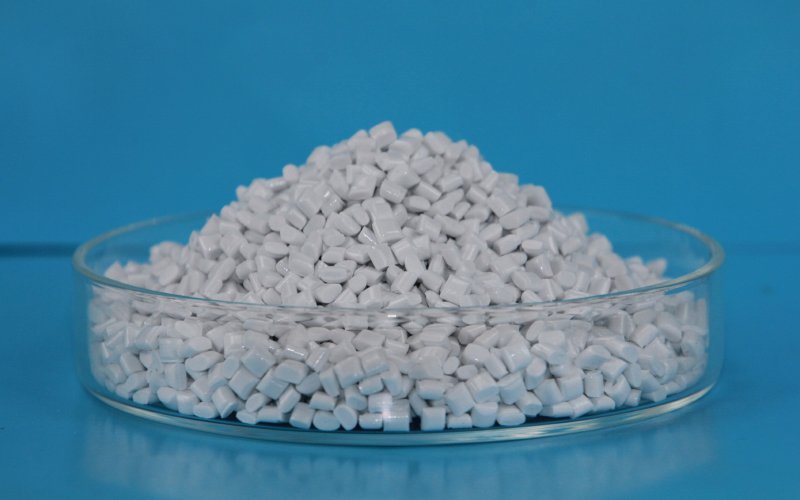
The growing focus on environmental protection further elevates material requirements. Modern printing facilities prioritize eco-friendly solutions, demanding flame retardant materials that are free of toxic substances and comply with international standards like RoHS and REACH. PC ABS Granules V0, as an environmentally friendly flame retardant option, align with these trends, making them a preferred choice for injection molders targeting both domestic and international markets. Additionally, the global flame retardant PC/ABS plastic market is projected to grow steadily, driven by increasing safety awareness and the expansion of the electronics and printing industries <superscript>9, presenting significant opportunities for injection molding factories that adopt high-quality flame retardant materials like ABS PC Flame Retardant Alloy Material.
Working Condition Challenges for Injection Molders of Duplicator Housings
Injection molding for duplicator housings involves unique challenges that test the performance of raw materials and the precision of production processes. Understanding these工况 (working condition) pain points is essential for selecting the right material:
1. Fire and Explosion Risks from Static Electricity and Heat
During the printing process, paper friction generates static electricity and heat. Rapid printing operations can lead to high static potential, which may cause spark discharges. If the spark energy reaches the minimum ignition energy of flammable substances like ink solvents, fires or explosions can occur. This risk is exacerbated in dry environments, making flame retardancy a non-negotiable property for duplicator housing materials. Injection molders must ensure that the materials they use can suppress flame spread and prevent dripping, which can ignite other flammable materials in the workshop.
2. Stringent Processing Requirements for Flame Retardant Materials
Flame retardant materials often present processing challenges in injection molding. For example, flame retardant additives can affect material flowability, and high processing temperatures may cause additive decomposition, leading to defects like black spots or surface fogging <superscript>2. Duplicator housings typically have complex structures with multiple holes and ribs, requiring materials with good flowability to ensure complete filling of the mold cavity. Additionally, injection molding of flame retardant materials requires precise control of temperature, pressure, and cycle time—prolonged material residence time in the hot runner can lead to decomposition and quality issues <superscript>2. Injection molders need materials that offer stable processing performance to reduce scrap rates and improve production efficiency.
3. Balancing Mechanical Performance and Flame Retardancy
Duplicator housings not only need flame retardancy but also require sufficient mechanical strength and toughness to withstand daily use and transportation. Materials that are too brittle can easily crack during assembly or use, leading to product failures. Injection molders often struggle to find materials that balance flame retardant properties with mechanical performance—many low-cost flame retardant materials sacrifice impact strength or heat resistance <superscript>5. This balance is particularly important for duplicator housings, which must endure temperature fluctuations and occasional impacts in the workshop environment.
Solutions: PC ABS Granules V0 and Flame Retardant ABS+PC for Optimal Performance
To address the industry and working condition challenges outlined above, PC ABS Granules V0 and the complementaryFlame Retardant ABS+PC product offer a comprehensive solution. These materials combine the advantages of PC (high strength, heat resistance) and ABS (excellent processability, toughness) with advanced flame retardant technology, meeting the strict requirements of injection molding factories and printing equipment safety standards.
1. Superior Flame Retardancy Meets Global Safety Standards
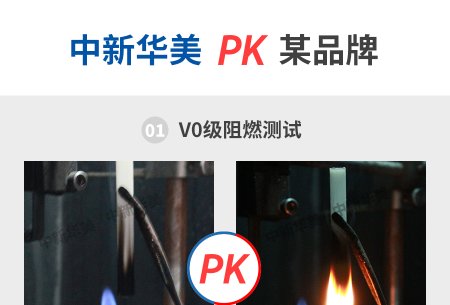
PC ABS Granules V0 achieve the UL94 V0 flame retardant rating at 1.5mm, meaning the material extinguishes within 10 seconds after two 10-second ignition tests and produces no dripping that can ignite cotton below <superscript>6. This performance effectively mitigates the fire risk posed by static electricity and heat in printing workshops, ensuring compliance with BS EN 1010, GB/T 19224-2018, and other international safety standards <superscript>1<superscript>8. Unlike traditional halogen-containing flame retardants, high-quality PC ABS Granules V0 use environmentally friendly flame retardant systems (e.g., phosphorus-based, nitrogen-based), which release low smoke and no toxic or corrosive gases during combustion <superscript>6. This not only protects workshop workers but also helps injection molders meet RoHS and REACH environmental requirements, expanding their market reach.
2. Excellent Processability Reduces Molding Challenges
One of the key advantages of PC ABS Granules V0 for injection molders is their superior processability. The alloy structure balances the high flowability of ABS with the heat resistance of PC, making the material easy to inject mold even for complex duplicator housing designs with thin walls or intricate details <superscript>6. The material has stable melt viscosity and low shrinkage (0.2-0.5%), reducing common defects like short shots, flash, or warpage <superscript>3. Additionally, PC ABS Granules V0 have good thermal stability, withstanding the high melt temperatures (240-260°C) required for injection molding without significant decomposition <superscript>4. This stability minimizes the risk of black spots or fogging caused by additive breakdown, even during prolonged production runs <superscript>2. For injection molders, this translates to lower scrap rates, shorter cycle times, and higher production efficiency.
3. Balanced Mechanical Performance Ensures Product Durability
PC ABS Granules V0 retain the excellent mechanical properties of PC and ABS alloys. Typical properties include a tensile strength of 55MPa, a flexural strength of 70MPa, and a notched Izod impact strength of 50kJ/m² <superscript>3. These values ensure that duplicator housings made from PC ABS Granules V0 have sufficient strength to withstand assembly and daily use, while the material’s good low-temperature toughness prevents brittleness in cold workshop environments. The ABS PC Flame Retardant Alloy Material, a complementary product, offers similar balanced performance, with a heat distortion temperature of up to 110°C <superscript>3<superscript>5, making it suitable for duplicators that generate heat during long-term operation. Injection molders can rely on these materials to produce durable, high-quality housings that meet their customers’ performance expectations.
4. Customizable Options Adapt to Diverse Needs
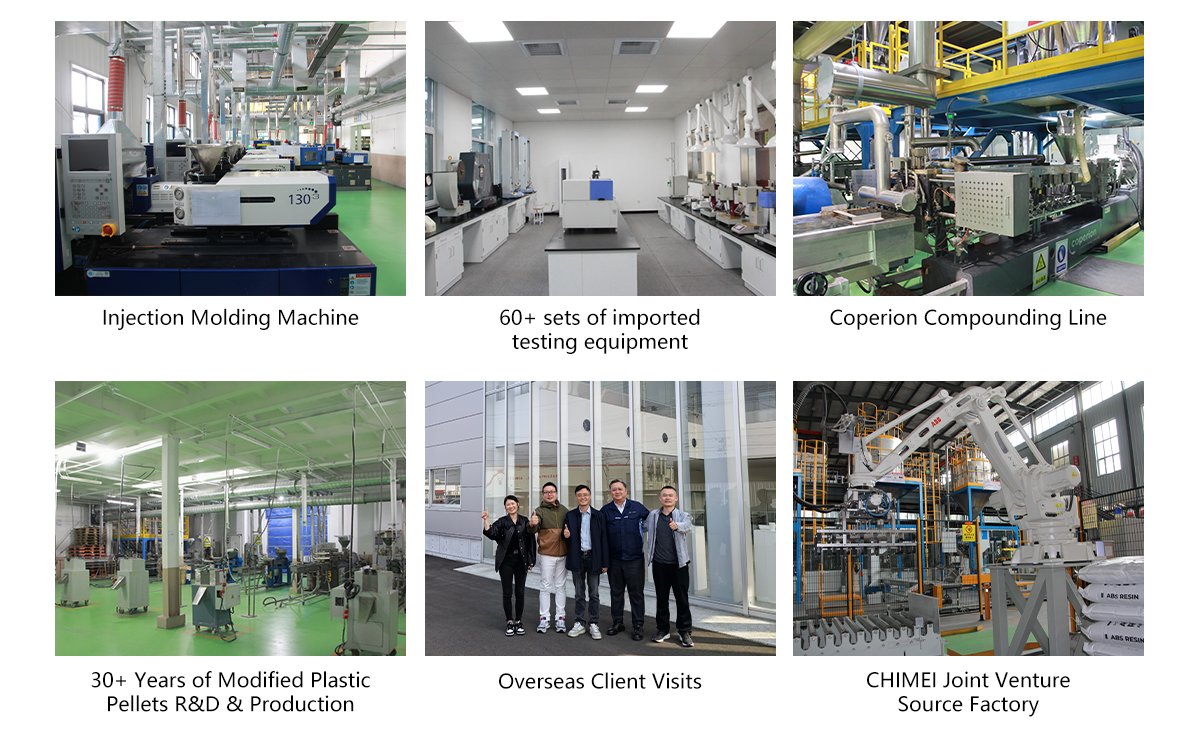
Injection molding factories serving different duplicator manufacturers often face diverse requirements for material color, performance, and size. High-quality PC ABS Granules V0 and Flame Retardant ABS+PC offer customizable solutions—suppliers can adjust the material’s color, flame retardant level, and mechanical properties to meet specific customer demands <superscript>3<superscript>5. This flexibility allows injection molders to cater to a wider range of clients and adapt to the unique design requirements of different duplicator models. Whether the customer needs a specific color match, enhanced impact resistance, or a higher heat distortion temperature, PC ABS Granules V0 can be tailored to meet these needs, providing injection molders with a competitive edge in the market.

Processing Recommendations for PC ABS Granules V0 in Duplicator Housing Molding
To maximize the performance of PC ABS Granules V0 and ensure high-quality molding, injection molders should follow these key processing guidelines, based on industry best practices <superscript>4<superscript>7:
Drying: Dry the material at 120°C for 4-6 hours before molding to remove moisture, which prevents silver streaks or bubbles in the final product.
Melt Temperature: Set the barrel temperature to 240-260°C (feed zone: 240°C, middle zone: 250°C, nozzle: 260°C) to ensure complete melting without decomposition.
Mold Temperature: Maintain the mold temperature at 80-100°C to improve material flowability, reduce internal stress, and enhance the surface finish of the housing.
Injection Pressure and Speed: Use an injection pressure of 80-120MPa and a moderate injection speed (50-80mm/s) to ensure complete cavity filling while avoiding flash.
Cooling Time: Set the cooling time to 20-30 seconds (adjust based on housing thickness) to ensure the product is fully cured before demolding, reducing warpage.
Hot Runner Maintenance: If using hot runners, avoid prolonged material residence time. If production is paused for more than 10 minutes, reduce the hot runner temperature to prevent material decomposition <superscript>2.
Conclusion: PC ABS Granules V0 – The Reliable Choice for Injection Molders
For injection molding factories specializing in duplicator housings, the challenges of meeting strict safety standards, overcoming processing difficulties, and ensuring product durability are significant. PC ABS Granules V0 address these challenges head-on, offering superior flame retardancy, excellent processability, balanced mechanical performance, and customizable options. By adopting PC ABS Granules V0and the complementary Flame Retardant ABS+PC product, injection molders can not only ensure compliance with global safety and environmental regulations but also improve production efficiency, reduce costs, and deliver high-quality, durable duplicator housings to their customers. In a market where safety and sustainability are increasingly important, PC ABS Granules V0 are the reliable, future-proof material choice for injection molders looking to stay competitive and meet the evolving needs of the printing industry.