
H1: PMMA, GPPS and AS—What Are the Key Differences Between These Transparent Plastics?
PMMA, GPPS, and AS are three of the most widely used transparent plastic materials in injection molding, lighting, electronics, household appliances, and decorative parts. Many buyers and engineers struggle to choose the right one for their products.
In this article, we compare PMMA, GPPS, and AS in seven key performance indicators: impact resistance, heat resistance, weather resistance, chemical resistance, natural color tone, transparency, and flowability. We also provide professional material selection suggestions supported by Qingdao Zhongxinhuamei’s customized modified and colored plastic solutions.
H2: 1. Impact Resistance Comparison
Impact strength determines whether a product cracks or breaks during use and assembly.
Ranking: PMMA = AS > GPPS
PMMA and AS have similar and higher impact resistance. GPPS is relatively brittle and has the lowest impact performance, making it unsuitable for parts requiring high toughness.
H2: 2. Heat Resistance Comparison
Heat resistance directly affects product deformation under high-temperature working conditions.
Ranking: PMMA = AS > GPPS
PMMA and AS perform equally well in heat resistance. GPPS has lower heat resistance and is more likely to soften or deform at relatively high temperatures.
H2: 3. Weather Resistance Comparison
Weather resistance reflects stability under sunlight, UV, and outdoor environments.
Ranking: PMMA = AS > GPPS
PMMA and AS show excellent weather resistance and are less prone to yellowing. GPPS has poor weather resistance and easily ages, fades, or becomes brittle outdoors.
H2: 4. Chemical Resistance Comparison
Chemical resistance ensures stability when contacting detergents, oils, or daily chemicals.
Ranking: PMMA = AS > GPPS
PMMA and AS have similar and better chemical resistance. GPPS is weak in this aspect and can be easily eroded by solvents or chemicals.
H2: 5. Natural Color Tone Comparison
Color tone affects the appearance and purity of transparent products.
Ranking: PMMA > GPPS > AS
PMMA has the best natural color and high clarity. GPPS performs moderately. AS tends to have a slightly yellowish or bluish tone, with the weakest color performance.
H2: 6. Transparency Comparison
Transparency is the core property for optical and visible parts.
Ranking: PMMA > GPPS > AS
PMMA has the highest light transmittance and best transparency. GPPS is good but lower than PMMA. AS has relatively lower transparency among the three materials.
H2: 7. Melt Flowability Comparison
Flowability affects injection molding difficulty, thin-wall production, and molding efficiency.
Ranking: GPPS > AS > PMMA
GPPS has excellent flowability and is easy for thin-wall products. AS flows better than PMMA. PMMA has the lowest flowability and requires higher molding conditions.
H2: Material Selection Guide for PMMA, GPPS and AS
Based on the seven‑point comparison, we summarize practical application suggestions:
Choose PMMA if you need high transparency, excellent color, weather resistance, and appearance quality.
Choose GPPS for low‑cost, thin‑wall, non‑load‑bearing parts with high flowability requirements.
Choose AS for balanced performance, moderate cost, and good impact and heat resistance.
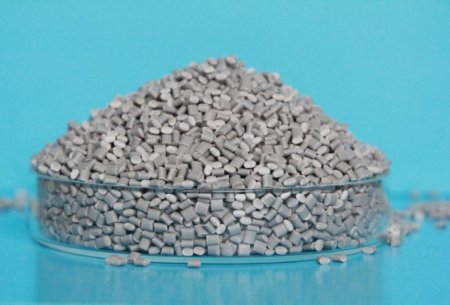
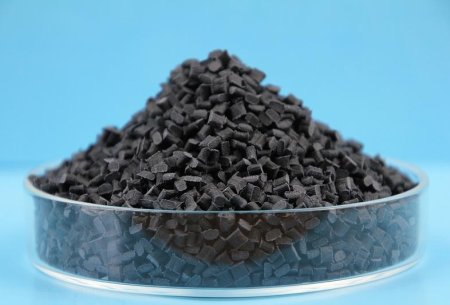
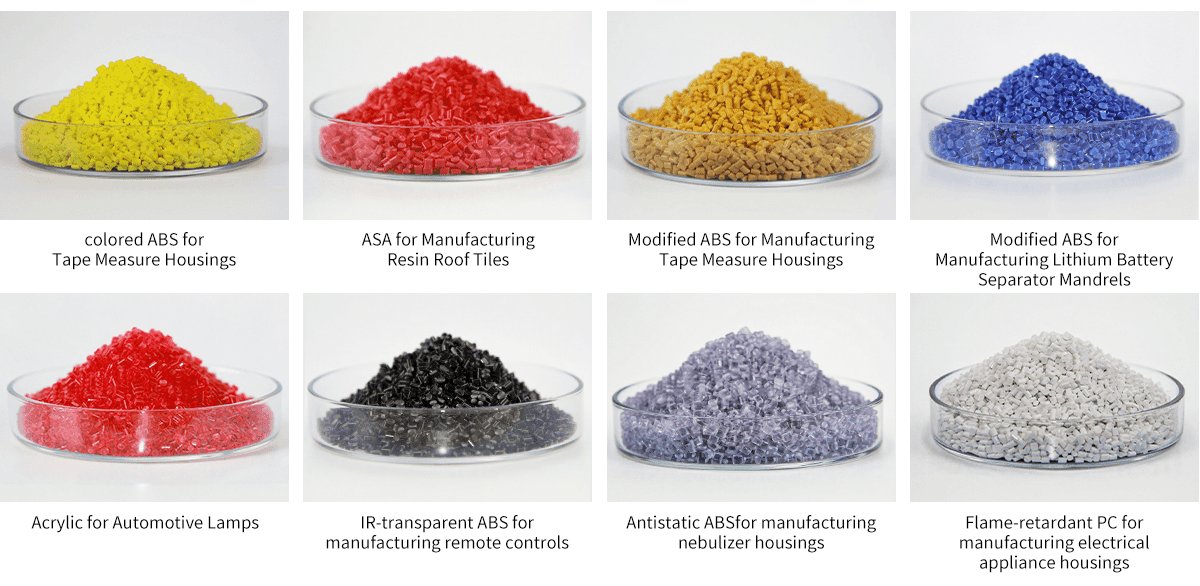 (modified plastic granules)
H2: Custom Transparent Plastic Solutions from Qingdao Zhongxinhuamei
Qingdao Zhongxinhuamei Plastic Co., Ltd. provides professional custom coloring, modification, toughening, and weather resistance improvement for PMMA, GPPS, AS and other transparent plastics. With stable formula, precise color matching, high transparency control, and consistent batch quality, we help manufacturers improve yield and appearance performance.
Whether you need transparent raw materials, custom-colored pellets, or modified grades, we provide targeted material solutions.
[Transparent Plastic PMMA GPPS AS Custom Materials]