
3D Printing Filament for Beginners: A Simple Guide to Choosing the Best Material
Starting with 3D printing can be overwhelming, especially when choosing the right filament. With so many 3D printing filament types available, beginners often struggle to pick one that fits their printer, project, and skill level. The key is to understand your needs, your printer’s capabilities, and the properties of each material. 3D printing filament for beginners should be easy to print, reliable, and cost-effective—while advanced materials can be explored as you gain experience. Qingdao Zhongxinhuamei Plastic Co., Ltd.,a professional modified plastic manufacturer, offers high-quality modified 3D printing filaments, including PLA, PETG, and composite materials, tailored to beginners and hobbyists.
1. Core 3D Printing Filaments for Beginners: Comparison & Recommendations
For beginners, focusing on the most user-friendly materials first is key. Below is a simple comparison of the four most common 3D printing filament types, including their difficulty, printing requirements, and best uses—helping you make an informed choice.
PLA: The Best First Filament for Beginners
PLA is the top choice for new 3D printing enthusiasts. It has a low printing temperature (180-220°C), requires no heated bed, and prints smoothly with no strong odors. PLA is eco-friendly, biodegradable, and easy to post-process (sand, paint, or glue). Its main drawbacks are low heat resistance and strength, making it ideal for decorative models, prototypes, and hobby projects.
Qingdao Zhongxinhuamei offers modified PLA filaments, including PLA+ (enhanced strength and toughness) and silk PLA (glossy finish), which are perfect for beginners looking to upgrade their prints without increasing difficulty. Our modified PLA has better printability and stability than standard PLA, reducing common issues like brittleness.
PETG: The Balanced Advanced Beginner Choice
PETG is a great next step after mastering PLA. It combines PLA’s ease of printing with ABS’s strength and durability. With a printing temperature of 220-250°C and a heated bed temperature of 70-80°C, it’s slightly more challenging but still manageable for beginners. PETG is transparent, food-safe (FDA-certified), and resistant to chemicals—ideal for functional parts, transparent models, and everyday items.
ABS: For Experienced Beginners Only
ABS is stronger and more heat-resistant than PLA (printing temperature 230-260°C, heated bed 80-100°C) but is harder to print. It emits odors, warps easily, and requires a closed print chamber to control temperature. ABS is best for functional mechanical parts, automotive prototypes, and items that need to withstand higher temperatures—wait until you’re comfortable with PLA and PETG before trying it.
ASA: For Outdoor Projects (Special Needs)
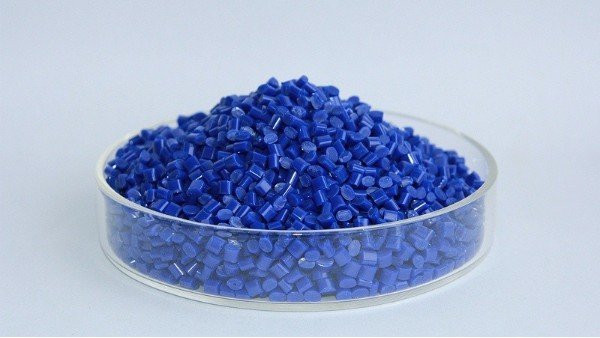
ASA is UV-resistant and durable outdoors, making it perfect for garden decor, outdoor signs, and outdoor functional parts. It has similar printing requirements to ABS (240-260°C, heated bed 80-100°C) and is more challenging to print—reserve it for projects that specifically need outdoor durability.
2. How to Choose Filament Based on Your Project & Printer
Choosing the right 3D printing filament for beginners depends on two key factors: your project’s purpose and your printer’s capabilities. Below is a simple guide to match filament to your needs.
By Project Type (Work Condition Analysis)
Decorative models, figurines, or prototypes: PLA (easy to print, great for aesthetics)
Functional parts (e.g., phone cases, small tools): PETG (strong, durable, food-safe)
Outdoor items (e.g., garden decor): ASA (UV-resistant, weatherproof)
Flexible parts (e.g., phone grips, gaskets): TPU (beginner-friendly flexible filament, 85-95 Shore A)
High-strength parts (e.g., drone components): Carbon fiber PLA (modified for strength, available from Qingdao Zhongxinhuamei)
By Printer Capability
Basic FDM printer (no heated bed): Only PLA (no heated bed required)
FDM printer with heated bed: PLA, PETG, ABS (start with PLA, then move to PETG)
Closed FDM printer: All materials (including ABS and ASA, which need temperature control)
3. Common 3D Filament Problems & Solutions for Beginners
Even with the right filament, beginners often face issues like brittleness, warping, or stringing. Here are simple solutions, with support from Qingdao Zhongxinhuamei’s modified filaments:
Brittle prints: Use modified PLA+ (from Qingdao Zhongxinhuamei) instead of standard PLA; ensure filament is dry (store in a dry box).
Warping: For ABS/PETG, use a heated bed and closed print chamber; adjust first-layer adhesion.
Stringing: Reduce print temperature, adjust retraction (4-6mm for PETG), or use high-quality modified filaments with better flow.
Layer separation: Increase print temperature and reduce cooling fan speed for better layer bonding.
4. Cost Guide & Beginner Purchase Tips
3D printing filament costs vary by type and quality. For beginners, focus on cost-effective options without sacrificing quality:
Budget (40-80 USD/kg): Basic PLA (great for practice)
Mid-range (80-150 USD/kg): Imported PLA, PETG (stable quality, less prone to defects)
Advanced (150-300 USD/kg): Composite filaments (carbon fiber PLA, wood PLA, available from Qingdao Zhongxinhuamei)
Beginner purchase kit suggestion: 1kg white PLA (for practice) + 1kg colored PLA (for finished projects) + a small spool of PETG (to learn advanced printing)—all available from Qingdao Zhongxinhuamei at competitive prices.
5. Qingdao Zhongxinhuamei: Your Trusted 3D Filament Supplier
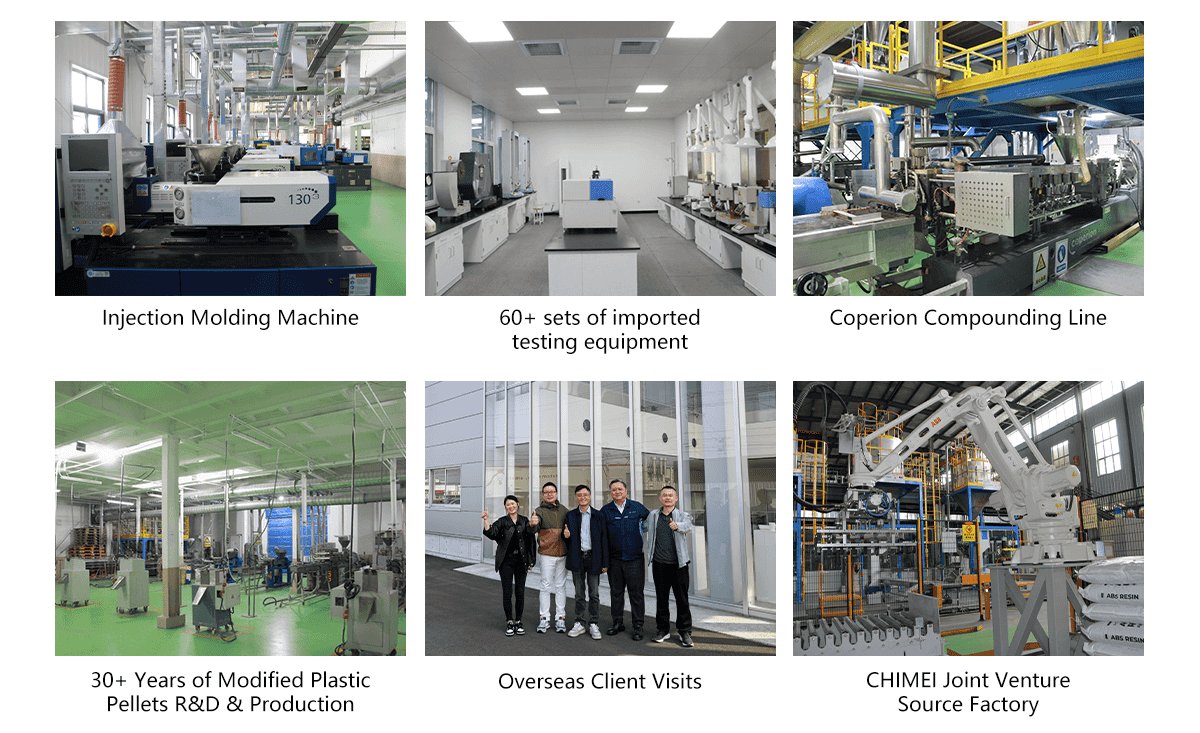
Qingdao Zhongxinhuamei Plastic Co., Ltd. specializes in modified 3D printing filaments, leveraging over 20 years of modified plastic expertise. Our products are tailored for beginners and hobbyists, with a focus on ease of printing, stability, and affordability.
Our core 3D printing filaments include: modified PLA (PLA+, silk PLA, matte PLA), PETG, carbon fiber PLA, and wood PLA. All our filaments are processed with advanced twin-screw extruders, ensuring consistent diameter, low moisture content, and minimal printing defects. We also offer customized filament solutions for specific projects, such as high-strength composite filaments for functional parts.
In summary, choosing the right 3D printing filament for beginners is all about matching your project, printer, and skill level. Start with PLA, progress to PETG, and explore advanced materials as you gain experience. Qingdao Zhongxinhuamei’s modified 3D printing filaments provide reliable, high-quality options for beginners, helping you avoid common pitfalls and create great prints from day one. Whether you need basic PLA for practice or composite filaments for special projects, we have the perfect solution for you.