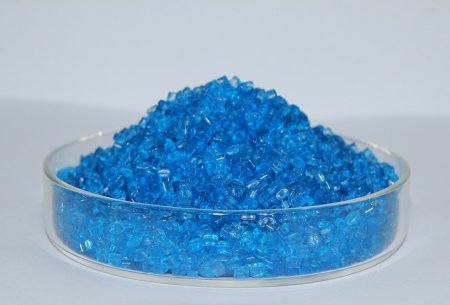

In the competitive world of LED lighting manufacturing, the quality of the lampshade often dictates the success of the final product. As a purchasing manager for an injection molding factory, you are constantly balancing cost, processability, and optical performance. The market demands soft, uniform light without sacrificing brightness, and the solution lies in choosing the correct raw materials. This is where Light Diffusion Material PC becomes the critical component in your supply chain.
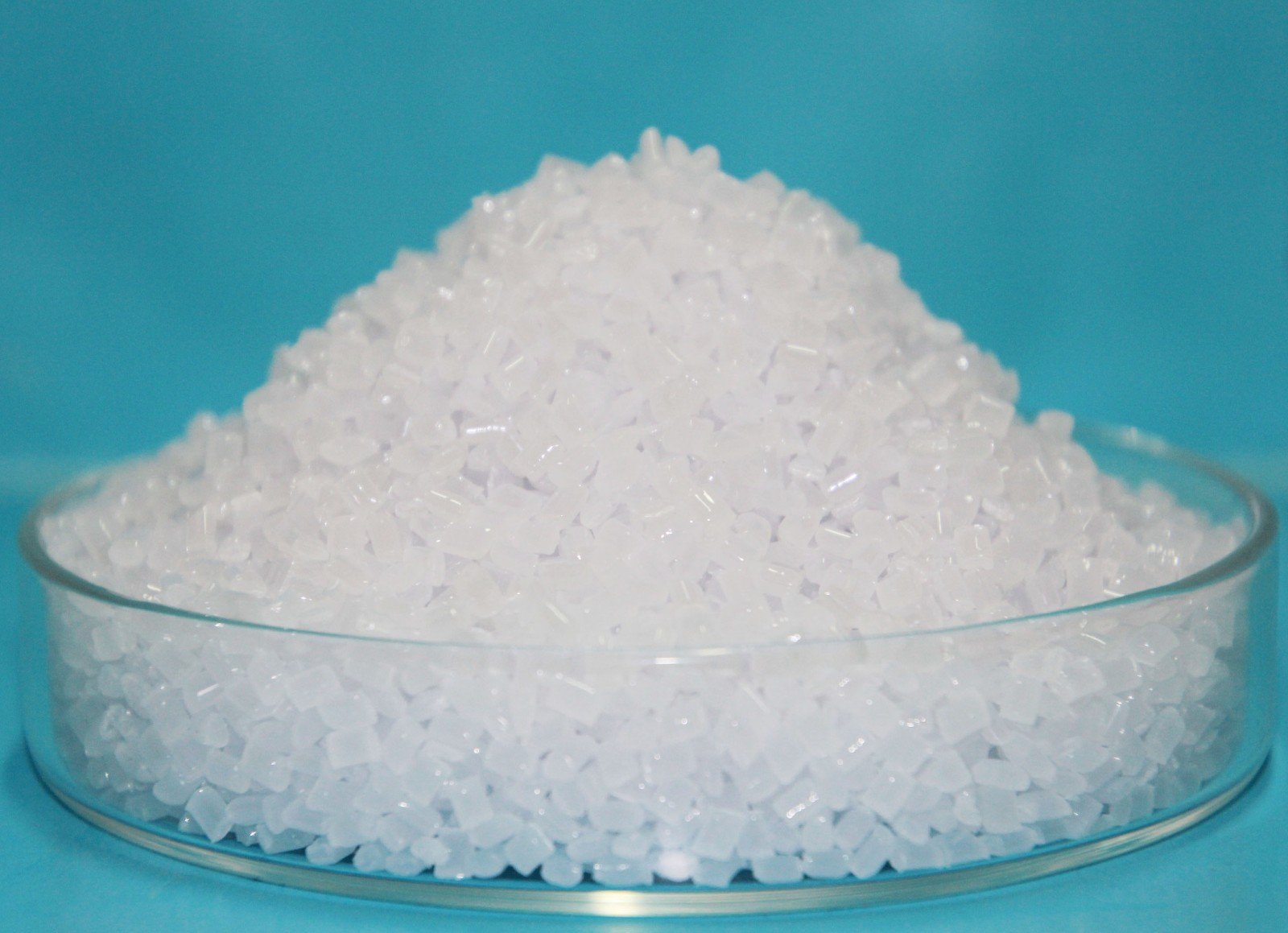 (Light Diffusion Material PC)
By utilizing advanced Light Diffusion Material PC, manufacturers can eliminate LED hotspots while maintaining high light transmission. This article explores the technical challenges of lampshade production and explains why this specific polycarbonate formulation is the superior choice for your factory's production line.
The Challenge: Balancing Haze and Transmittance
The primary "pain point" in producing LED covers, bulbs, and tubes is the trade-off between hiding the light source and letting light through.
The Glare Problem: Raw LEDs produce a harsh, piercing light. Without diffusion, the individual LED beads are visible, creating an unappealing "hotspot" effect.
The Transmission Problem: Traditional method of adding white pigments (like Titanium Dioxide) to plastic hides the beads effectively but kills light transmission, significantly lowering the lumen output.
To solve this, the industry has shifted toward engineered Light Diffusion Material PC. This material uses specialized organic or inorganic diffusion agents that scatter light rays internally. This allows for a "hazy" appearance that hides the source while allowing up to 85-93% of the light to pass through.
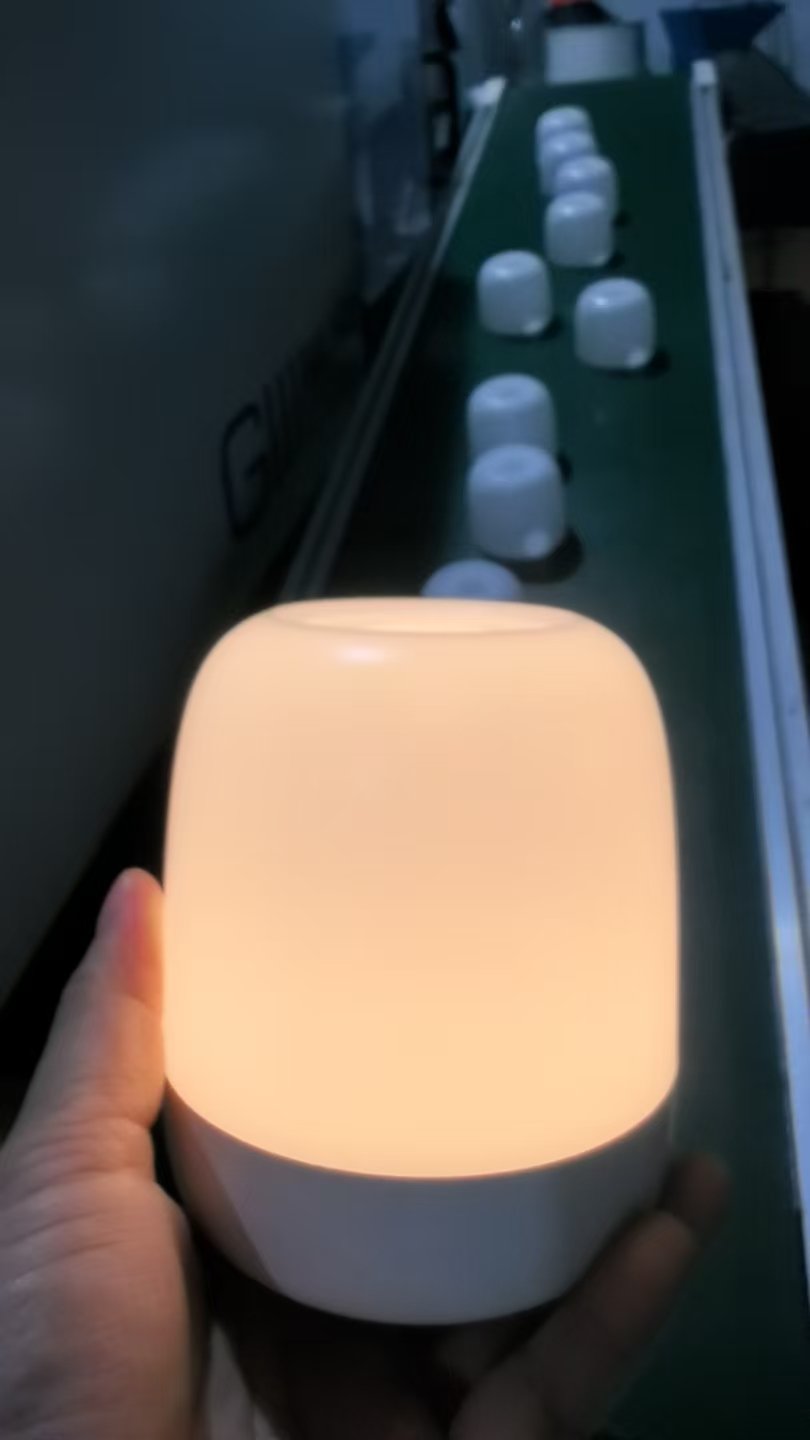
Understanding Polycarbonate PC Material Light Diffusion LED Bulb Grade
When sourcing resin, precision is key. You aren't just looking for generic polycarbonate; you are looking for Polycarbonate PC Material Light Diffusion LED Bulb Grade. This specific grade is engineered to withstand the unique rigors of lighting applications.
Unlike standard PC, Polycarbonate PC Material Light Diffusion LED Bulb Grade offers a balance of high diffusivity and high transmittance. It ensures that the light emitted is soft and elegant, meeting the aesthetic standards of modern interior design and commercial lighting. Furthermore, this grade is formulated to resist the yellowing effects of UV radiation and the heat generated by LED chips, ensuring the product typically has a long lifespan.
Why Choose PC Over PMMA or PS?
As a purchasing manager, you likely evaluate different polymers. While PMMA (Acrylic) and PS (Polystyrene) are options, Light Diffusion Material PC offers distinct advantages for industrial injection molding:
Impact Resistance: PC is virtually unbreakable. For lampshades that must survive shipping and installation, Light Diffusion Material PC is far superior to brittle PS or PMMA.
Thermal Stability: LEDs generate heat. Polycarbonate PC Material Light Diffusion LED Bulb Grade has a higher heat deflection temperature, preventing the warping that can occur with lower-grade plastics.
Flammability: Safety is paramount. High-quality Light Diffusion Material PC often comes with UL94 V-0 or V-2 flammability ratings, a mandatory requirement for many export markets.
Optimizing the Injection Molding Process
Selecting the right material also impacts your factory floor's efficiency. Light Diffusion Material PC is designed for high flowability, which is crucial for injection molding.
Reducing Cycle Times
High-flow grades of Polycarbonate PC Material Light Diffusion LED Bulb Grade fill complex molds quickly and evenly. This reduces the cycle time per part, allowing your factory to increase daily output without adding new machinery.
Reducing Reject Rates
Inconsistent raw materials lead to silver streaks, bubbles, or black spots. A premium Light Diffusion Material PC ensures batch-to-batch consistency. This stability reduces machine downtime and minimizes the scrap rate, directly improving your company's bottom line.
Cost-Benefit Analysis for Purchasing Managers
Price is always a factor, but the cheapest resin often costs more in the long run. If a cheaper material has a 10% reject rate due to poor diffusion or yellowing, your actual cost per unit skyrockets.
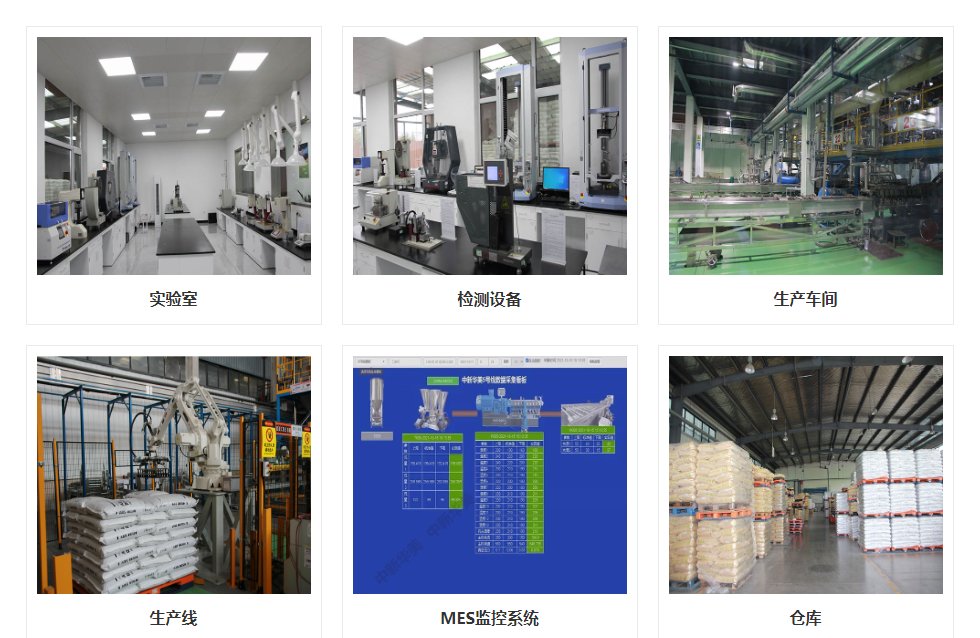
Investing in reliable Polycarbonate PC Material Light Diffusion LED Bulb Grade ensures:
Lower thickness requirements: Because the diffusion efficiency is high, you can often mold thinner wall sections, using less material per part.
Brand reputation: Consistent optical performance keeps your clients (the lighting brands) happy.
When you calculate the total cost of ownership—including scrap rates, energy usage, and material weight—Light Diffusion Material PC proves to be the most improved and economical choice for high-quality LED applications.
Solution: Customizing Your Haze and Transmittance
Every lighting project is different. An office panel light needs different optical properties than a decorative bulb. This is why flexible suppliers of Light Diffusion Material PC are essential.
We recommend sourcing materials that allow for tunable optical properties. Whether you need a 90% transmission with low haze, or high haze for maximum hiding power, the right Polycarbonate PC Material Light Diffusion LED Bulb Grade can be tailored to your specific mold requirements.
Conclusion
For the modern lampshade injection molding factory, material selection is the foundation of quality. By prioritizing impact strength, thermal stability, and optical precision, Light Diffusion Material PC stands out as the industry standard. It solves the dual problems of glare and efficiency, ensuring your products meet the high expectations of the LED market.
If you are ready to optimize your production line with high-performance resin, consider switching to our premium Polycarbonate PC Material Light Diffusion LED Bulb Grade. Contact us today to discuss how our Light Diffusion Material PC can improve your product quality and production efficiency.