
Overview of Two-Color Injection Molding Development & Trends
Two-color injection molding is one of the most popular advanced molding technologies today. It delivers significant cost-saving potential and opens up brand-new design possibilities for modern product manufacturing. This article explores the development status and future trends of two-color injection molding, with a special focus on its wide application in automotive headlights.
Definition of Two-Color and Multi-Material Injection Molding
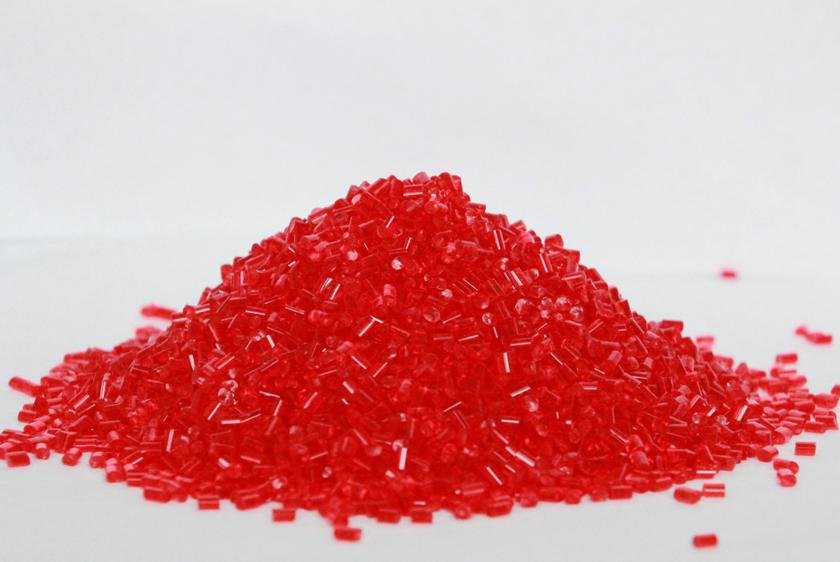
Multi-color and multi-material injection molding refers to combining several types of plastics into one multifunctional component within a single manufacturing process or production unit.
This technology adopts multiple raw materials for integrated injection molding. During the molding cycle, it combines the physical characteristics of different materials through assembly or bonding methods. It greatly improves product functionality and aesthetic performance, bringing remarkable cost-saving value and unlimited innovative design options to mass production.
H2: Basic Prerequisites for Multi-Color Injection Molding
To ensure stable production, paired materials for multi-color injection molding must meet two core compatibility standards: bonding compatibility and processing compatibility.
Multi-color molding also puts forward higher requirements for injection equipment:
Injection unit structures include parallel same direction, parallel opposite direction, horizontal L-type, vertical L-type and Y-type single cylinder designs.
Special nozzles are available for pattern, wave, flow mark, gradient and sandwich molding effects.
Clamping mechanisms cover standard type, vertical turntable, horizontal turntable, rotating shaft and manipulator rotating models.
Flexible computer control programming is another key factor. Even for identical multi-color products, different mold structures require matched independent electronic control programs to guarantee stable molding quality.
H2: Development Demand of Two-Color Molding for Automotive Headlights
With economic growth, the automotive industry has become a pillar sector nationwide. Rapid industrial evolution continuously raises higher standards for automotive lighting systems.
Automotive lighting performance directly affects driving safety, so global regulations set strict technical requirements for headlight design. Modern lamp products must comply with safety standards, perfectly integrate with vehicle exterior styling, maintain beauty and practicality, meet aerodynamic principles, and ensure comfort for drivers and passengers. As a result, headlight design and molding technology keep upgrading alongside automotive industrial progress.
H2: Material Selection and Process Characteristics for Automotive Headlights
Automotive headlights generally consist of a base and a lamp cover. The base is commonly made of PP with 20% filler in black grade, while lamp covers adopt PMMA, PP, ABS and other materials, mostly designed in two-color or three-color structures.
In two-color headlight production, the center distance of two injection screws must accurately match the center distance of the two-color mold. Manufacturers must pay close attention to multiple key technical points for stable mass production.
Key Factors Affecting Stable Headlight Molding
Control unit response issues such as long switching delay, noise interference, unstable command output and temperature fluctuation.
Hydraulic system noise caused by unstable pressure, valve positioning deviation, hysteresis and pipeline damping changes.
Mechanical system differences including oil seal internal leakage, damping variation, friction deviation and check valve positioning failure.
Uneven plastic plasticization and inconsistent melting performance.
Unstable mold temperature control.
H3: Common Problems of Special Screw and Barrel for Tail Lights
Idle screw without feeding material
Excessive torsion leading to screw rotation failure
Incomplete plastic melting
Unstable screw metering accuracy
Uneven plastic mixing and compounding
Easy temperature rise during low-temperature molding
Air bubbles inside finished parts
Yellowing and black spots on molded products
Easy corrosion and wear of screws leading to short service life
Core Design Principles of Screw and Barrel Assembly
The plasticizing screw and barrel are the core components of injection molding machines, responsible for material conveying, melting, mixing and metering. Their structural design directly determines finished product quality.
The main purposes of optimized plasticizing screw design:
Enhance shear and mixing performance
Achieve uniform material compounding
Improve overall plasticizing capacity
Ensure consistent melt temperature distribution
H3: Special Screw Design Standards for Automotive Tail Lights
L/D ratio controlled at 21 to 23
Ultra smooth surface roughness to avoid material accumulation
Thickened electroplating layer for better corrosion resistance
Compression ratio set at 2.3; feeding section about 50%, compression section about 30%, metering section about 20%
H2: Solutions for Common Injection Defects of Automotive Headlights
Burn marks: Reduce injection pressure, adopt multi-stage deceleration injection and mold vacuum exhaust.
Silver streaks: Fully dry plastic pellets, increase back pressure, lower melt temperature and slow down injection speed.
Air bubbles: Raise back pressure, reduce melt temperature, use dehumidifying dryers and enlarge gate or runner size.
Weld lines: Increase melt temperature, improve filling speed, strengthen exhaust efficiency and raise mold temperature.
Flash burrs: Increase clamping force, reduce filling pressure and properly lower melt temperature.
Shrinkage marks: Adopt uniform wall thickness design, increase holding pressure and holding time, and replace worn check valves.
Conclusion
Two-color injection molding has become an indispensable advanced process in automotive headlight manufacturing. Strict material matching, professional equipment configuration, standardized screw design and defect countermeasures are essential to guarantee stable production, stable appearance and long service life of lamp parts.
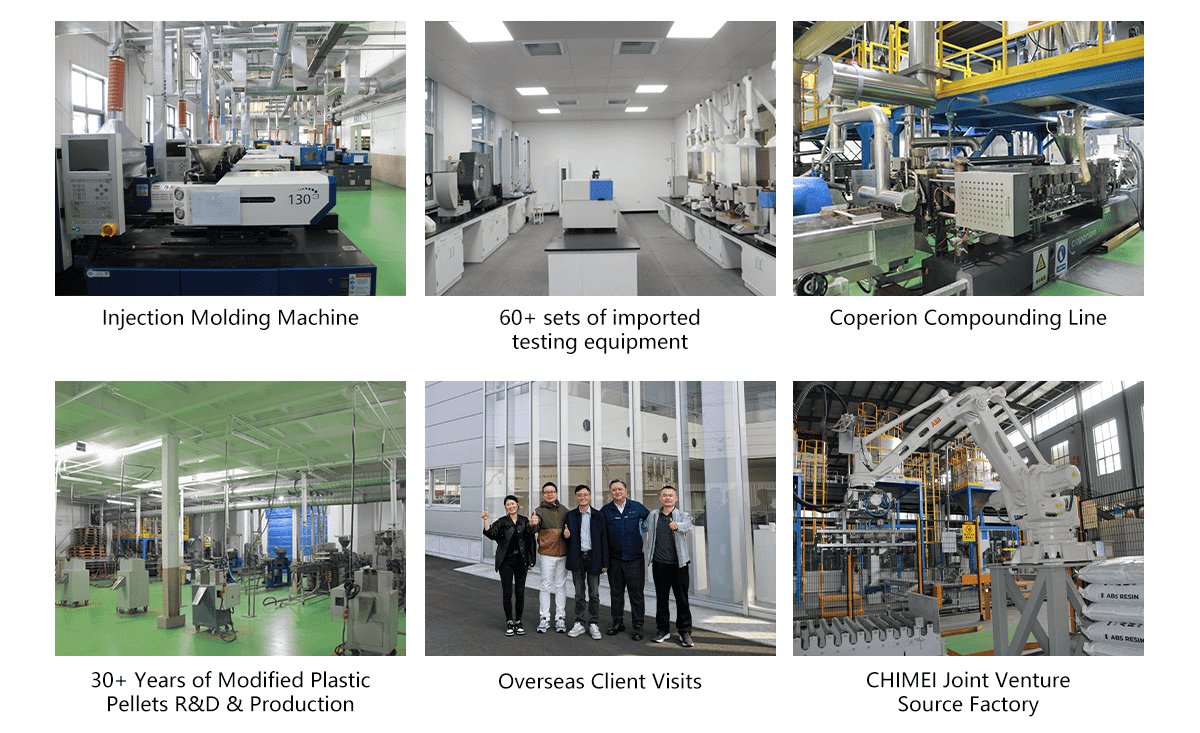
Professional modified plastic manufacturers likeQingdao Zhongxinhuamei provide matched headlight base and lamp cover materials, perfectly adapting to two-color injection molding requirements, helping auto parts factories improve molding yield and reduce production costs.