
Outdoor cable trays, wire raceways, and electrical cable trunkings serve as vital physical infrastructure across electrical power grids, solar photovoltaic (PV) power plants, 5G telecom towers, chemical industrial parks, and coastal transportation systems. Continuously exposed to harsh exterior conditions, outdoor cable trays must endure intense solar ultraviolet (UV) radiation, severe temperature fluctuations, driving rain, and corrosive salt spray throughout decades of service.
Traditional galvanized steel trays suffer from rust and chemical corrosion, while commodity PVC or ABS plastic trays rapidly degrade under solar radiation. Within a few seasons of field installation, lower-grade plastic cable trays exhibit yellowing, surface chalking, micro-cracking, and structural sagging under load—posing severe hazards to enclosed high-voltage power cables.
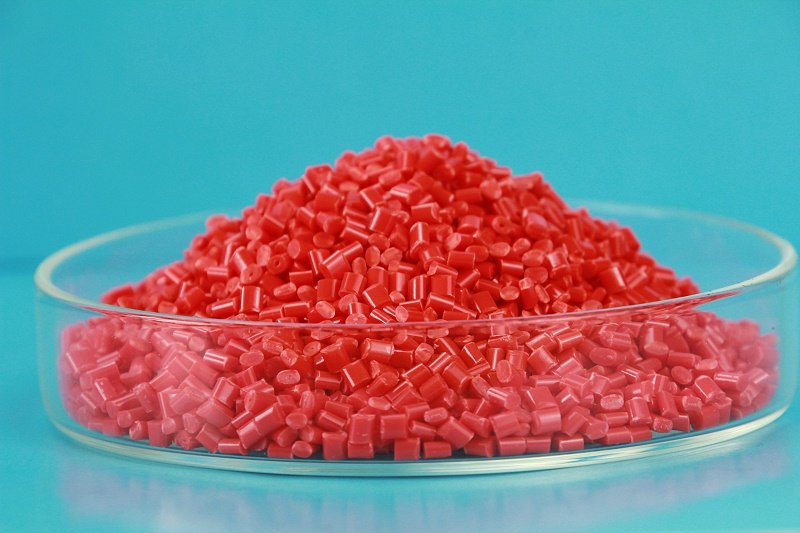
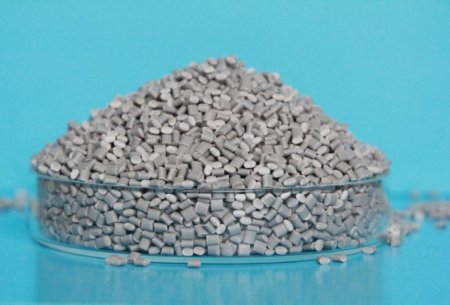
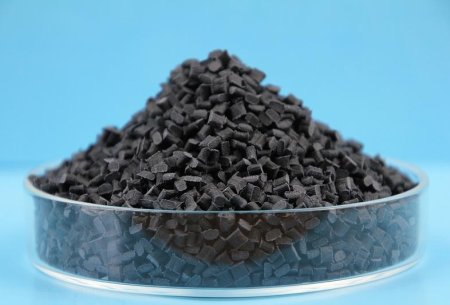
To solve these critical infrastructure material challenges, Qingdao Zhongxin Huamei Plastic Co., Ltd. provides engineered weather resistant ASA resin, specifically formulated for outdoor cable trays, electrical conduits, raceway capping layers, and junction boxes.
What Environmental Threats Impact Outdoor Cable Trays?
Electrical infrastructure contractors and plastic cable tray extruders face demanding engineering and environmental challenges in outdoor installations:
UV Radiation and Thermal Yellowing: Continuous exposure to sunlight breaks down molecular chains in standard capping polymers, causing surface chalking, brittleness, and color shift.
Heavy Cable Load Sagging and Mechanical Creep: Cable trays carrying heavy bundle loads require high flexural rigidity and high Heat Deflection Temperatures (HDT) to prevent sagging between structural mounting brackets.
Chemical Erosion and Marine Salt Fog: Coastal solar farms and chemical processing facilities expose raceways to elevated humidity, acid rain, and airborne salt spray, accelerating surface degradation in unprotected plastics.
Co-Extrusion and Processing Inconsistencies: Inconsistent melt viscosity in capping resins leads to uneven layer distribution, surface pinholes, and higher factory scrap rates during high-speed extrusion.
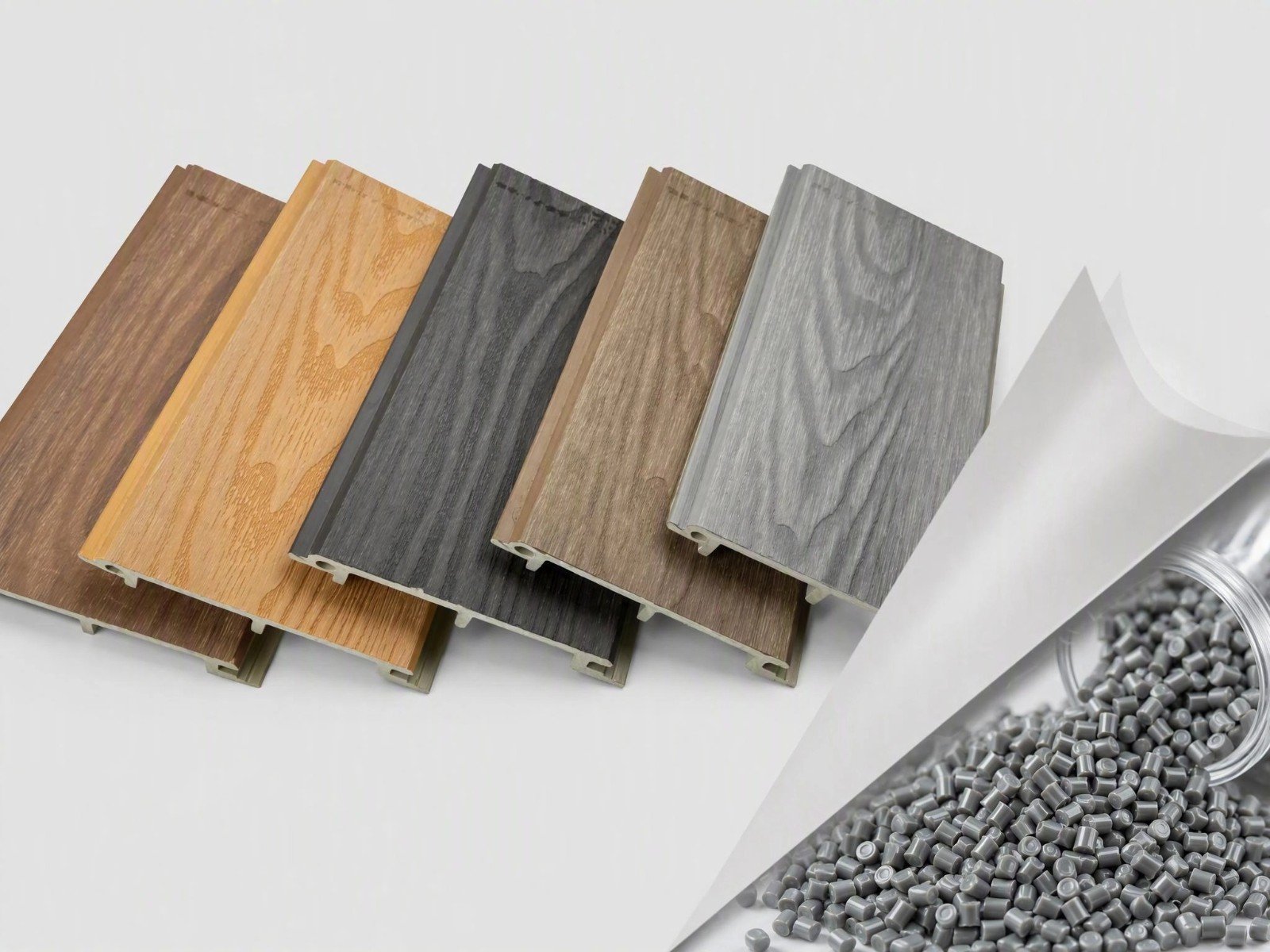
Technical Advantages of Weather Resistant ASA Cable Tray Compounds
Engineered weather resistant ASA resin replaces vulnerable double-bond rubber with an acrylic rubber backbone, delivering long-term physical protection for exterior electrical containment hardware:
Superior Anti-UV Color Stability ($\Delta E < 1.0$): Retains original color and surface integrity with a color difference ($\Delta E$) below 1.0 after a 168-hour Q-UV accelerated weathering test, preventing yellowing, loss of gloss, and surface chalking.
High Flexural Modulus (2,200 MPa) & Heat Resistance: Achieves a flexural modulus of 2,200 MPa and a Heat Deflection Temperature of 82°C, easily supporting continuous heavy cable bundle loads without sagging or thermal distortion.
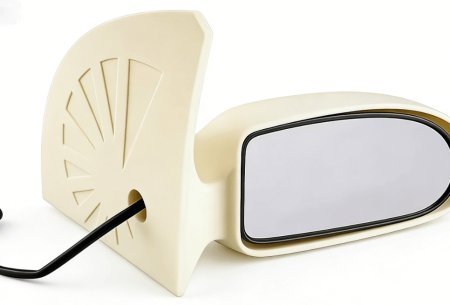
Dual-Use Profile Versatility (Direct & Co-Extrusion): Functions perfectly as a 100% monolithic material for injection molding or profile extrusion, or as a cost-effective co-extrusion protective capping layer over recycled PVC or ABS cores.
Chemical, Salt Spray, and Electrical Insulation: Inherently non-conductive, moisture-proof, and resistant to acid rain, alkaline soils, and marine salt fog, eliminating corrosion risks near coastal or chemical industrial sites.
Higher Factory Production Yield Rates (+5%): Predictable melt viscosity and uniform volumetric shrinkage streamline high-speed co-extrusion and injection molding, boosting overall manufacturing yields by approximately 5%.
Material Performance Comparison for Exterior Cable Containment
| Performance Metric | Weather Resistant ASA Resin (Qingdao Zhongxin Huamei) | Commodity Unmodified PVC Compound | Standard Galvanized Steel Sheet |
| UV Stability Mechanism | Inherent Anti-UV Acrylic Rubber | Poor (Requires Heavy UV Package) | N/A (Plated Surface) |
| Color Delta ($\Delta E$) (168h Q-UV) | $< 1.0$ (High Color Retention) | $> 3.5$ (Severe Discoloration) | N/A |
| Corrosion Resistance (Salt/Acid) | High (Inert Polymer Matrix) | Moderate | Low (Prone to Rusting at Cuts) |
| Electrical Insulation | 100% Non-Conductive (Safe) | Non-Conductive | Conductive (Requires Grounding) |
| Extrusion Defect Rate | Low (Boosts Yields by ~5%) | Baseline | N/A |
Partner with Qingdao Zhongxin Huamei Plastic Co., Ltd.
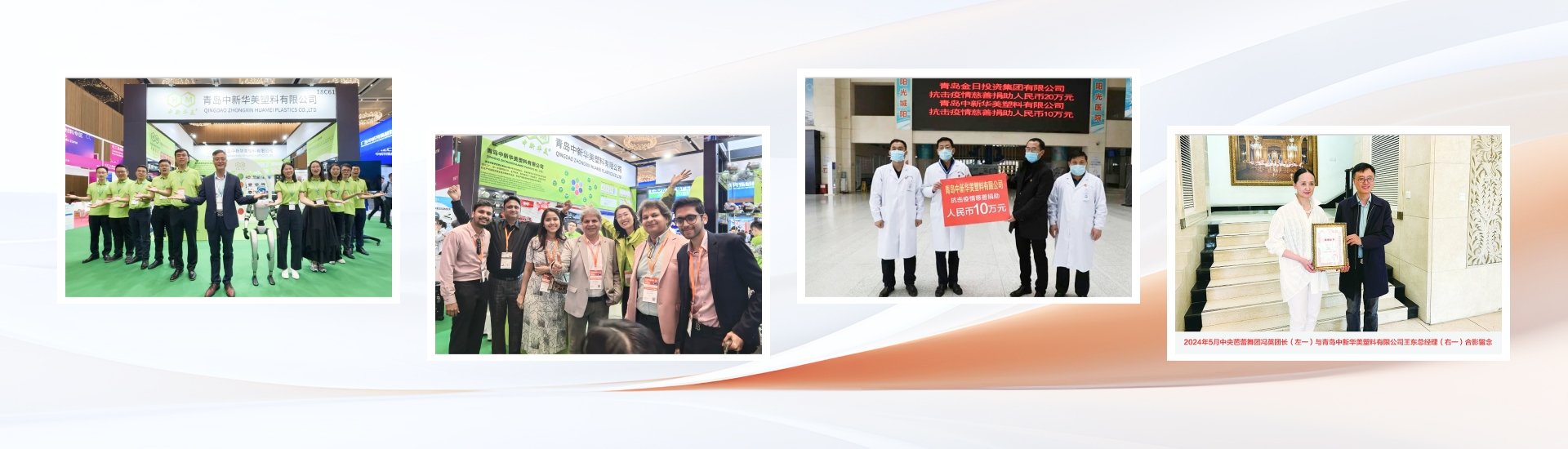
Selecting a certified polymer source factory requires verifying raw material purity, automated compounding precision, and batch-to-batch physical property stability. Established in May 1997 as an official joint venture enterprise backed by CHIMEI Corporation, Qingdao Zhongxin Huamei Plastic Co., Ltd.is a certified National High-Tech Enterprise with 30 years of custom compounding expertise.

Operating across a 45,000 m² modern manufacturing facility equipped with 30 automated granulating lines and an annual production capacity exceeding 100,000 tons, our factory utilizes an automated digital MES process management system to monitor parameters and guarantee zero-defect batch consistency. We proudly supply global industry leaders across power distribution, 5G telecommunications, solar PV, automotive, and building material sectors.
In addition to weatherableASA compounds for electrical cable trays, we supply prime general-purpose injection molding polymers including Chimei ABS PA-757Q for high-gloss, low-odor equipment covers and industrial enclosures. Contact our technical engineering team under FOB or EXW shipping terms to request technical datasheets, obtain pre-colored evaluation samples, and place trial batch orders.