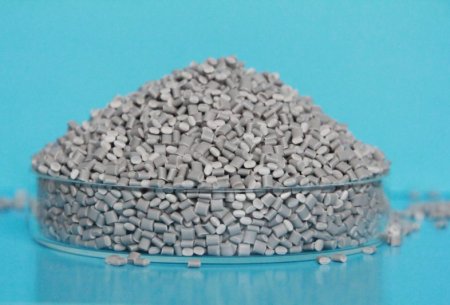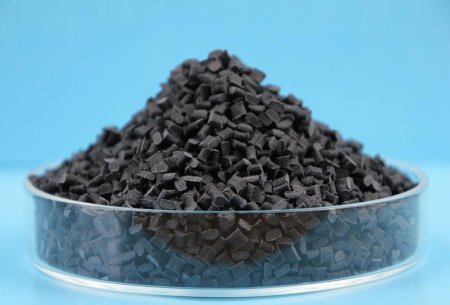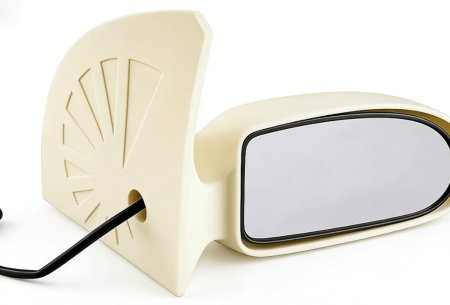


When appliance injection molders design fan blades for hair dryers, coffee machines, and server cooling units, material selection decides whether the part survives heat, torque, and years of cleaning. AS+30gf has moved from a niche engineering resin to a practical answer. AS+30gf blends a transparent SAN base with 30 percent glass fiber, giving blades stiffness that unfilled AS cannot match. For factories already running ABS+30gf or PP, AS+30gf offers clearer appearance, better humidity resistance, and stable dimensions under load. This guide explains where AS+30gf fits, how it compares withAS+30gf/ABS+30gf, and how a modified plastics supplier such as Qingdao Zhongxin Huamei Plastic Co., Ltd. can tune the grade for real lines.
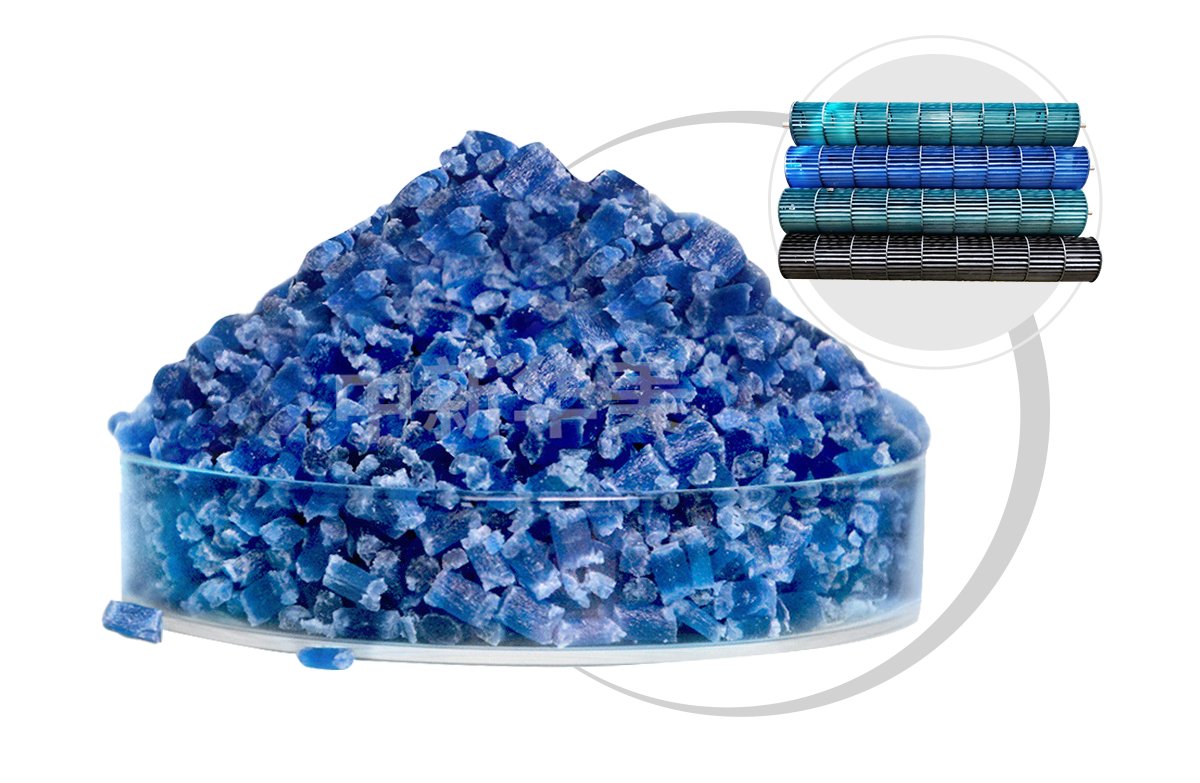
What AS+30gf Actually Delivers
AS+30gf is not ordinary AS. Glass fiber changes the failure mode. Unfilled AS is known for clarity and moderate weather resistance, but it is brittle and weak under fatigue. AS+30gf raises hardness and tensile strength while keeping the look that makes SAN attractive for visible blades. In injection molding, AS+30gf flows better than ABS, so thin ribs and curved sections fill without excessive pressure. That matters when a molder runs multi cavity tools at high speed. The grade also resists stress cracking when blades meet mild detergents or alcohol cleaners. Designers should also review ejection forces, since filled resins shrink less than unfilled grades and can grip the core longer. A caveat: glass fiber raises anisotropy. Gate location must be planned, or AS+30gf blades can warp. Specify this grade with mold flow support, not as a drop in for unfilled AS.
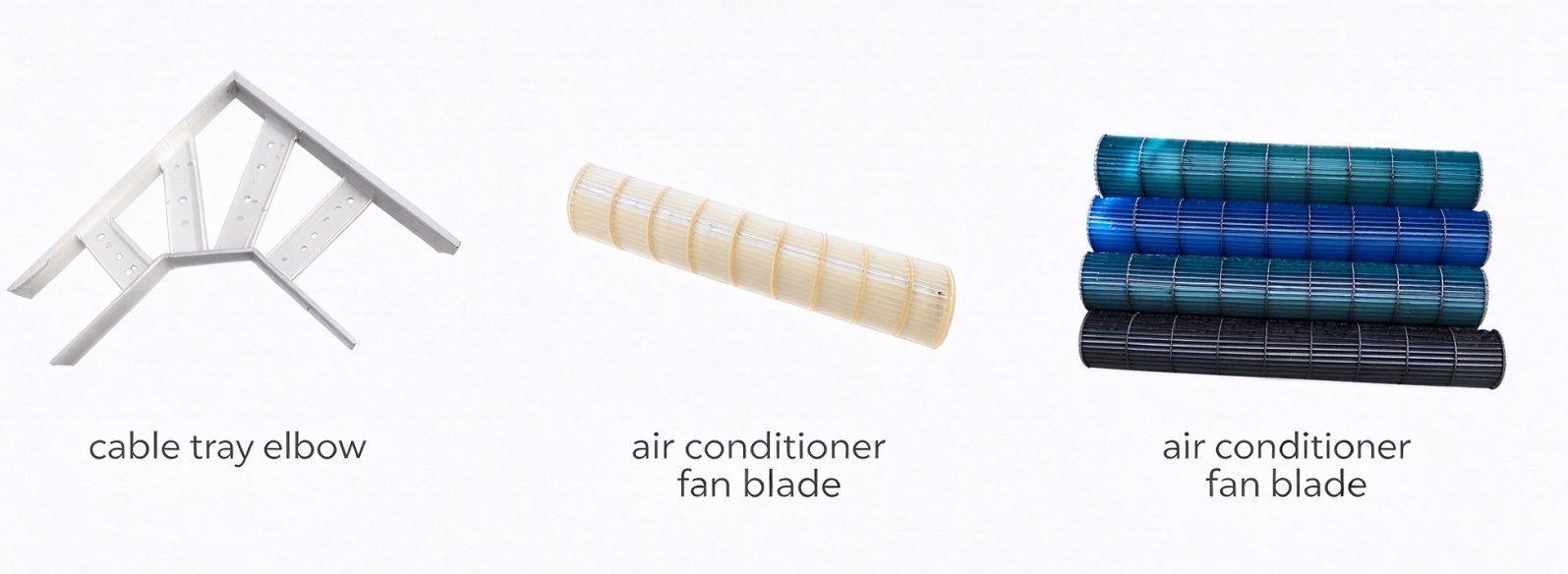
AS+30gf vs. ABS+30gf and PP for Fan Blades
Many molders ask whether AS+30gf/ABS+30gf is the real comparison. ABS brings high impact strength, fatigue resistance, acid and alkali resistance, and low cost. Its glass filled version adds stiffness. By contrast, AS+30gf keeps higher transparency and better dimensional stability in humid air. PP is light, heat resistant, and steam sterilizable, yet it loses low temperature impact and ages faster. Cycle time is another factor. Lower melt viscosity can shorten fill, but fiber reinforced grades need careful cooling channel layout. For a blade that runs hot and wet, AS+30gf often beats ABS+30gf on warpage. For a blade that must survive a drop test, ABS+30gf still leads. The practical answer is a mapped choice: use it where visibility and heat matter, use ABS+30gf where toughness dominates, and treat AS+30gf/ABS+30gf blends as a tuning exercise. Qingdao Zhongxin Huamei Plastic Co., Ltd. supplies modified plastics that adjust this balance, with tailored fiber length and flow.
Industry Conditions Where AS+30gf Wins
Appliance fans do not run in a lab. A hair dryer blade sees rapid heat cycles, vibration, and cosmetic scrutiny. A range hood blade meets grease and cleaning agents. An office fan meets dust and humidity. In each case, AS+30gf gives stable dimensions and a surface that stays clear. High humidity is where AS+30gf beats unfilled AS and many ABS grades. The material does not swell with moisture and keeps its modulus when air is damp. For injection factories serving export markets, this cuts field complaints. Field data from appliance plants show that blades which pass a 500 hour humidity soak rarely develop the microcracks seen in unfilled SAN. AS+30gf also handles mild alcohol wiping better than standard PS or SAN, so it suits personal care appliances. Temperature is the other filter. Heat deflection is far above unfilled AS, so the blade resists creep when a motor warms the hub. Designers moving from ABS should still check weld lines, because fiber at a weld lowers local strength. Specify AS+30gf early in the design review.
Solving Warpage and Fatigue
Warpage and fatigue push molders away from unfilled AS. AS+30gf addresses both, but only with process control. AS+30gf rewards disciplined processing. Dry the resin before molding. Keep melt temperature in the recommended window. Use balanced gates so fiber orientation stays symmetric around the hub. When these rules are followed, blades hold runout and balance at high rpm. A simple balance check at 3000 rpm often exposes orientation problems before tooling is released for mass production. Qingdao Zhongxin Huamei Plastic Co., Ltd. works with appliance plants to customize AS+30gf compounds. Options include impact modification, color matching, and recycled content. With AS+30gf, trial data beats assumptions. That support turns a catalog resin into a production grade. If a line already runs ABS+30gf, switching may need only a screw and temperature review, not a new tool.
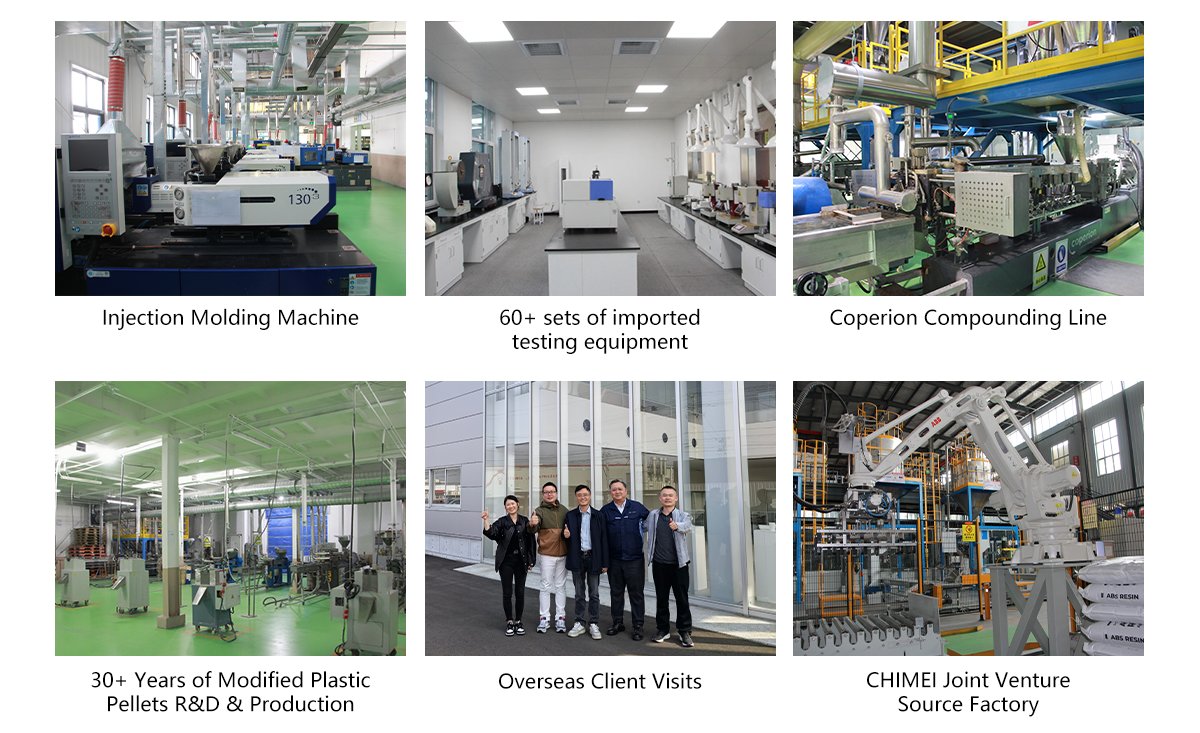
Sustainability and Recycled Content
Regulations in Europe and Asia push appliance brands toward recycled resin. ABS has a mature PCR stream, and PCR ABS is often promoted for fan blades. AS+30gf can also carry recycled content, but the glass fiber fraction must stay consistent. Qingdao Zhongxin Huamei Plastic Co., Ltd. can formulate AS+30gf with controlled fiber length, protecting mechanical performance even when feedstock varies. Ask suppliers for lot to lot data on fiber content and melt flow, because recycled feedstock can shift both values. IBISS (Ebiss) PCR ABS, described in the supplied material, is another option for brands that prefer recycled ABS. It comes from post consumer appliances, electronics, pipes, and sheets, then is sorted and pelletized into injection grades. For a molder choosing between AS+30gf and IBISS PCR ABS, the tradeoff is clarity versus circular content.

Final Thoughts on AS+30gf
AS+30gf is not a universal replacement for ABS or PP. It is a targeted upgrade for appliance fan blades that need stiffness, clarity, and humidity resistance. When AS+30gf/ABS+30gf options are compared on real operating data, the glass filled SAN usually wins where appearance and heat matter, while ABS+30gf wins on impact. Injection factories that partner with Qingdao Zhongxin Huamei Plastic Co., Ltd. get resin tuned to their molds, not generic pellets. For the next fan blade program, specify it early, run a mold flow study, and validate with a short trial. Document the mold flow results, gate plan, and drying schedule so the grade repeats across shifts and plants. The result is a quieter, straighter blade and fewer warranty claims.
Prev: None