
With the continuous expansion of 5G telecom networks, wireless base stations, smart city IoT gateways, and satellite communication systems, outdoor antenna components operate in demanding open-air environments. Exterior antenna radomes and signal housings must endure relentless ultraviolet (UV) exposure, intense thermal swings, heavy moisture, and ambient environmental erosion while maintaining flawless signal transmission.
Standard structural polymers often suffer from signal attenuation, high dielectric loss, surface yellowing, and mechanical embrittlement when exposed to outdoor solar radiation over long periods.
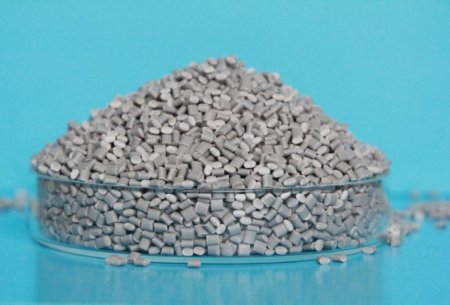
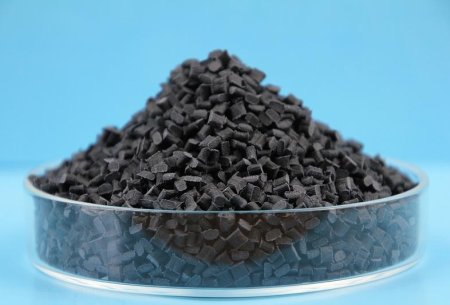
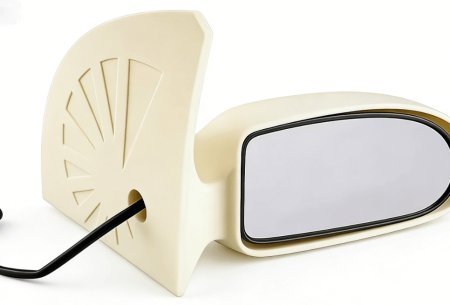
To meet these demanding telecommunication requirements, Qingdao Zhongxin Huamei Plastic Co., Ltd. provides engineered modified ASA resin, specifically formulated for outdoor antenna components, 5G radomes, wireless AP covers, and communication equipment housings.
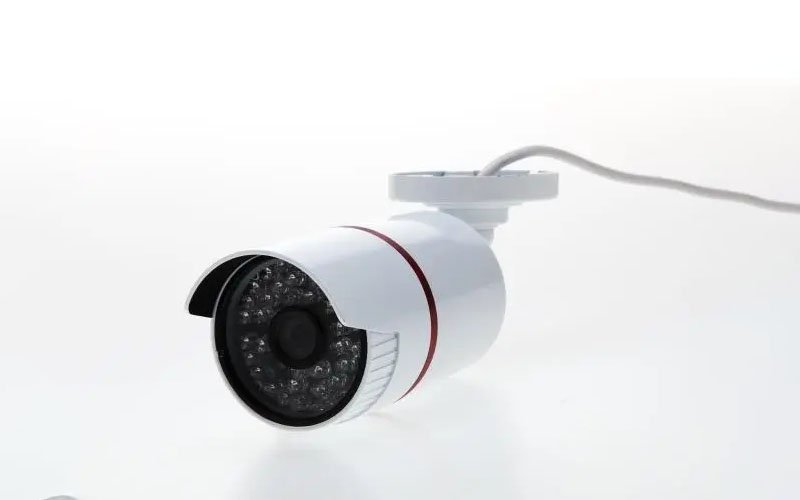
What Key Environmental and Signal Factors Affect Outdoor Antenna Parts?
Telecommunication equipment manufacturers face strict material performance standards when designing exterior antenna enclosures:
Electromagnetic Signal Loss: High dielectric constant or loss tangent materials impede electromagnetic wave penetration, causing signal attenuation and reduced wireless coverage efficiency.
UV Photo-Oxidation and Weathering: Continuous exposure to sunlight severs standard polymer molecular chains, causing yellowing, surface micro-cracking, and structural chalking.
Physical Impacts and Environmental Stress: Outdoor radomes installed on high towers, rooftops, and traffic light poles face wind load stress, hail strikes, and thermal expansion across extreme temperature cycles.
Moldability and Complex Geometries: Aerodynamic radome covers and thin-walled snap-fit base station enclosures require material with excellent melt fluidity to prevent internal stress and warpage during injection or extrusion molding.
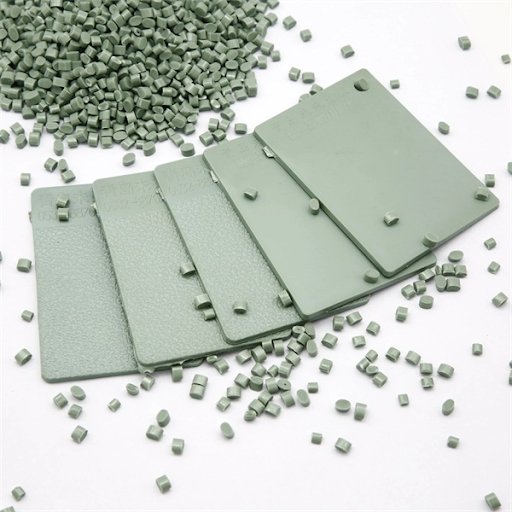
Technical Advantages of Modified ASA Antenna Compounds
Engineered modified ASA resin combines the weatherability of an acrylic rubber matrix with optimized electrical and mechanical properties, making it an ideal choice for outdoor communication hardware:
Low Dielectric Loss for Stable Signal Transmission: Formulated with exceptional dielectric properties, ensuring electromagnetic waves penetrate the antenna housing with minimal signal loss and zero interference.
Superior Anti-UV Weather Resistance: The acrylic rubber backbone provides inherent UV stability, preventing yellowing, fading, or loss of surface gloss under prolonged exposure to harsh sunlight.

Balanced Impact Toughness and Mechanical Strength: Absorbs external physical impacts and mechanical vibrations, ensuring the antenna shell stays structural intact during severe weather and installation handling.
High Processing Fluidity and Dimensional Precision: Offers stable volumetric shrinkage and excellent melt flow behavior, allowing smooth injection molding into complex geometric shapes and thin-walled profiles without post-molding distortion.
Custom Color and Performance Tailoring: Fully supports custom pre-colored formulations across full spectrum shades, as well as specialized flame retardant or weather-enhanced grades.