
What Makes Flame Retardant PC/ABS Alloy the Top Choice for Export to Japan?
For injection molding factories targeting the Japanese automotive market, flame retardant PC/ABS alloy is one of the most demanding yet essential materials. It is widely used in car center consoles, camera housings, ECU boxes, lamp brackets, and ventilation components. While many Chinese modifiers believe PC/ABS is a “mature, easy material”, the reality for Japan’s automotive electronics industry is completely different. Only a reliable flame retardant PC/ABS alloy manufacturer can meet Japan’s strict standards for appearance, thin-wall performance, flame retardancy, and long-term stability.
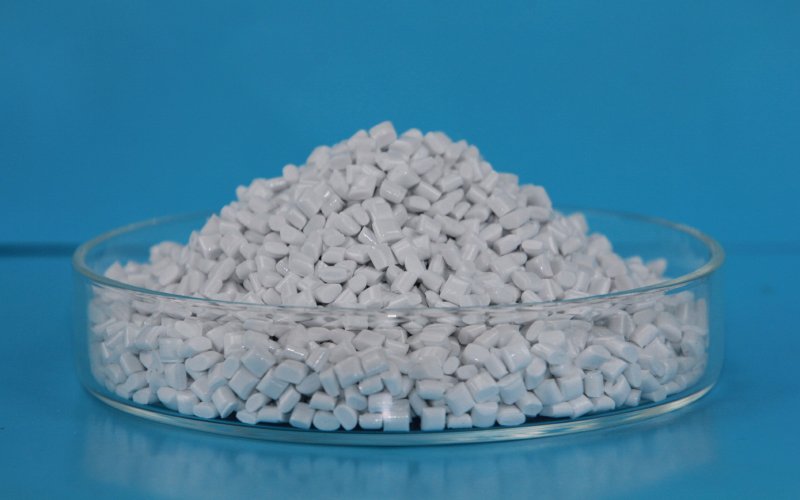
Why Japanese Automotive Parts Prefer Flame Retardant PC/ABS Alloy
Japanese carmakers and Tier‑1 suppliers choose flame retardant PC/ABS alloy for clear, practical reasons:
Better processability and lower internal stress than pure PC
Higher heat resistance and impact strength than ABS
Balanced structural strength and high‑quality surface appearance
Suitable for thin‑wall molding and reliable flame‑retardant performance
This combination of requirements quickly exposes weaknesses in suppliers who cannot deliver consistent, engineering‑grade solutions.
3 Critical Failure Risks for PC/ABS in Japanese Automotive Applications
Japanese customers are highly sensitive to the following failures, which directly eliminate unqualified suppliers:
1. Cracking in Thin‑Wall Areas
Cracks often appear at clips, screw pillars, and welding ribs. The real cause is:
Residual molding stress
Toughening loss from flame retardant systems
Low‑temperature impact, vibration, and assembly stressBatch inconsistency is a major red flag for Japanese buyers.
2. Appearance Defects After Coating or Printing
Common issues include splay marks, flow lines, shrinkage, pinholes, and poor adhesion.Japanese buyers have zero tolerance for poor appearance, as it directly affects interior quality and brand image.
3. Degradation After Long‑Term Thermal Aging
Under 80–110°C long‑term heat, PC/ABS can become brittle, discolored, or emit strong odors.Japanese standards for VOC, FOG, and low odor are significantly stricter than many other markets.
The Real Threshold: Thin‑Wall V‑0 + Stable Appearance
Many factories think achieving UL94 V‑0 is enough.Japanese automotive buyers actually require:
Thin‑wall flame retardancy (1.0mm / 0.8mm V‑0)
Stable high‑quality appearance
Sustained toughness
Low VOC and low odor
Perfect batch-to-batch consistency
Only a professional flame retardant PC/ABS alloy manufacturer can balance these conflicting requirements.
Hidden Risks in Flame Retardant PC/ABS Alloy Systems
Standard flame retardant formulations often cause:
Reduced toughness (clips and pillars break easily)
Poor flow (difficult thin‑wall molding)
Surface precipitation and appearance failures
High VOC and unpleasant odors
Japanese buyers focus on whether you have a stable mass‑production formula, not just a lab sample.
What Japanese Customers Really Expect From Suppliers
To enter the Japanese supply chain, suppliers must commit to:
Fixed formulation for at least 12 months with transparent change management
Full traceability of key raw materials
Stable processing windows for thin‑wall injection molding
They also verify 8 key capabilities: drying conditions, aging data, thin‑wall V‑0 reports, color consistency, VOC/FOG testing, PCN process, batch traceability, and professional 8D problem-solving.
Solution: Choose a Professional Flame Retardant PC/ABS Alloy Manufacturer
For injection molding factories exporting to Japan, flame retardant PC/ABS alloy tests your full engineering and quality system.This material demands balanced performance in structure, appearance, processing, flame retardancy, and stability.
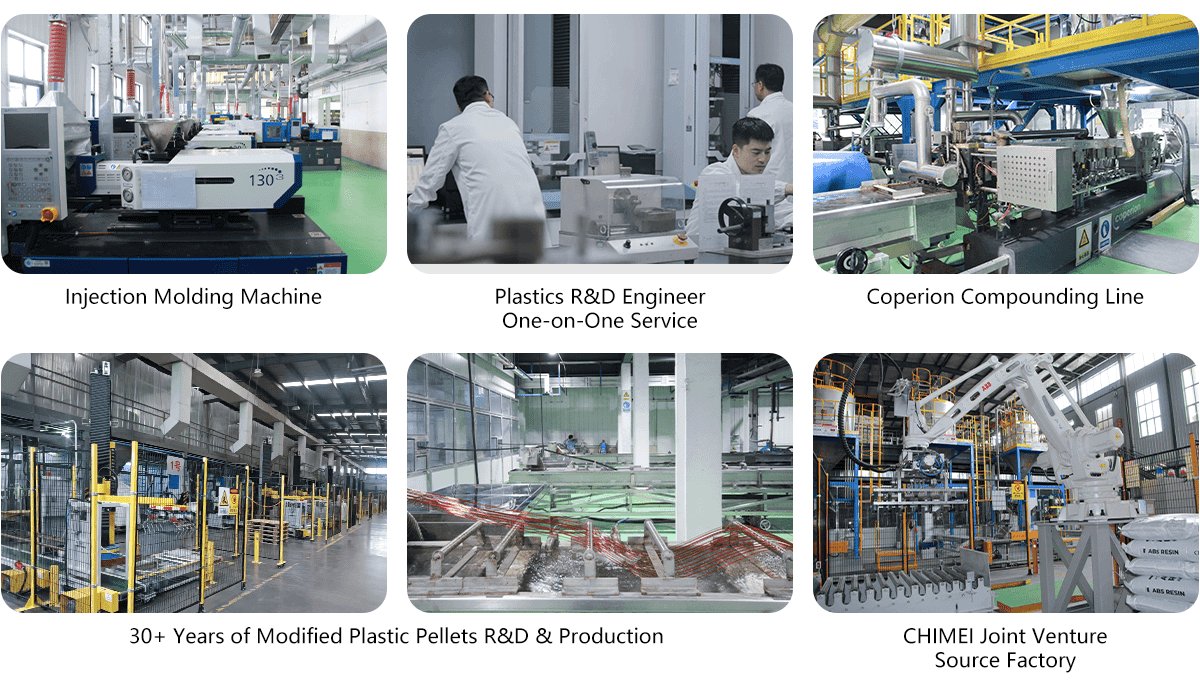
Qingdao Zhongxinhuamei Plastic Co., Ltd. is a professional flame retardant PC/ABS alloy manufacturer with mature solutions for Japanese automotive electronics. We provide stable, low‑odor, thin‑wall compatible flame retardant PC/ABS alloy that withstands long‑term thermal aging and strict appearance requirements.
Our materials ensure consistent batches, wide processing windows, and reliable performance for clips, housings, and decorative parts. We support full documentation, traceability, and PCN management to meet Japanese automotive standards.
Conclusion
When exporting to Japan, flame retardant PC/ABS alloyis not just a resin—it is a commitment to 3‑year reliability, stable quality, and complete technical support. By partnering with a professional flame retardant PC/ABS alloy manufacturer like Qingdao Zhongxinhuamei, injection molding factories can confidently enter Japan’s high‑end automotive supply chain.