
The Key Role of GF30 in Reinforcing PA66
In engineering plastics manufacturing, a common question arises: “Why do two PA66 parts perform differently—one stable and durable, the other warping, deforming or cracking over time?” Most often, the issue lies not in machinery or molds, but in material reinforcement. ForPA6630% glass fiber (GF30)has become the industry’s optimal balance, transforming standard PA66 into a high-performance material for automotive, electrical, industrial and consumer applications.
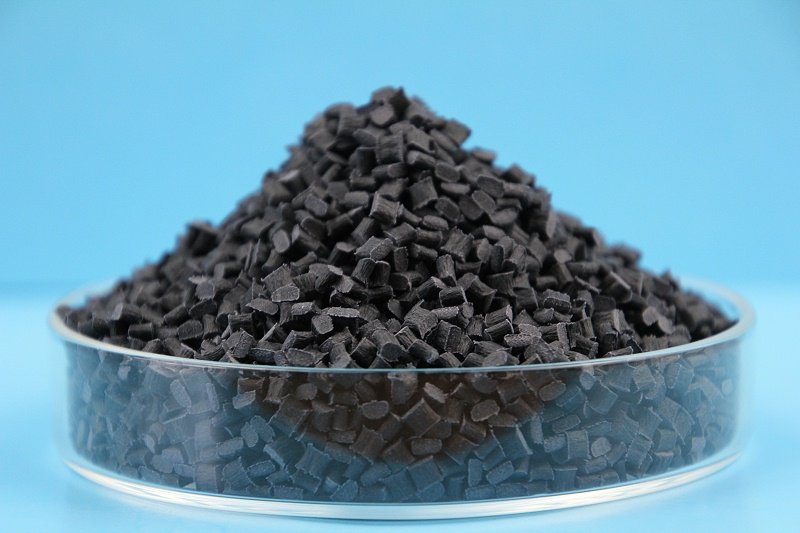
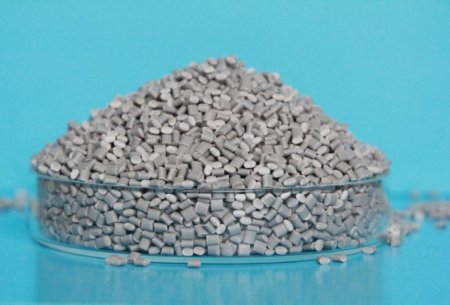
(PA66 GF30 compounds)
Qingdao Zhongxinhuamei Plastic Co., Ltd., a leading modified plastics specialist, has perfected PA66 GF30 compounds that deliver exceptional stiffness, dimensional stability and long-term reliability. This article explores why 30% glass fiber is the ideal reinforcement ratio for PA66, how it enhances material properties, and why Zhongxinhuamei’s PA66 GF30 is preferred across demanding industries.
What Is PA66 GF30 and Why 30%?
Defining PA66 GF30
PA66 GF30 is nylon 66 reinforced with 30% glass fiber by weight. At this ratio, glass fibers form a continuous internal network that dramatically boosts mechanical performance while maintaining processability. Lower fiber content (15–20%) provides insufficient reinforcement; higher content (40–50%) makes the material brittle, difficult to process and overly abrasive to molds.
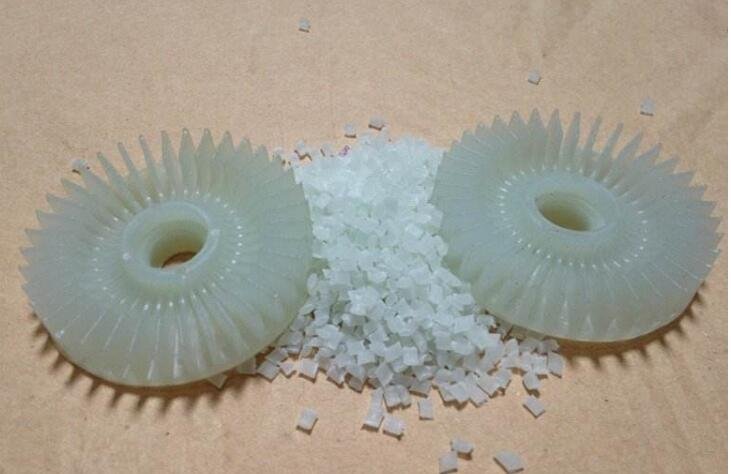
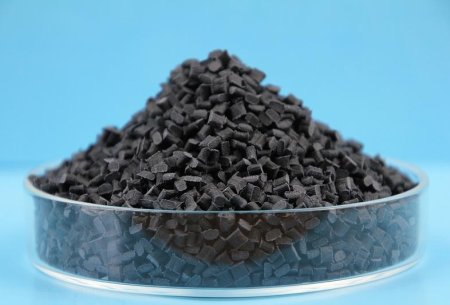
(PA66 GF30)
The 30% Sweet Spot
Thirty percent glass fiber is the technical equilibrium where:
Performance gains peak: Stiffness, strength and heat resistance reach maximum practical levels.
Processability remains viable: The material molds well without excessive equipment wear.
Cost efficiency is optimal: Balances performance improvements with material and production costs.
This balance explains why PA66 GF30 is the global standard for structural components requiring long-term stability.
Key Properties Enhanced by GF30 in PA66
1. Mechanical Strength & Stiffness
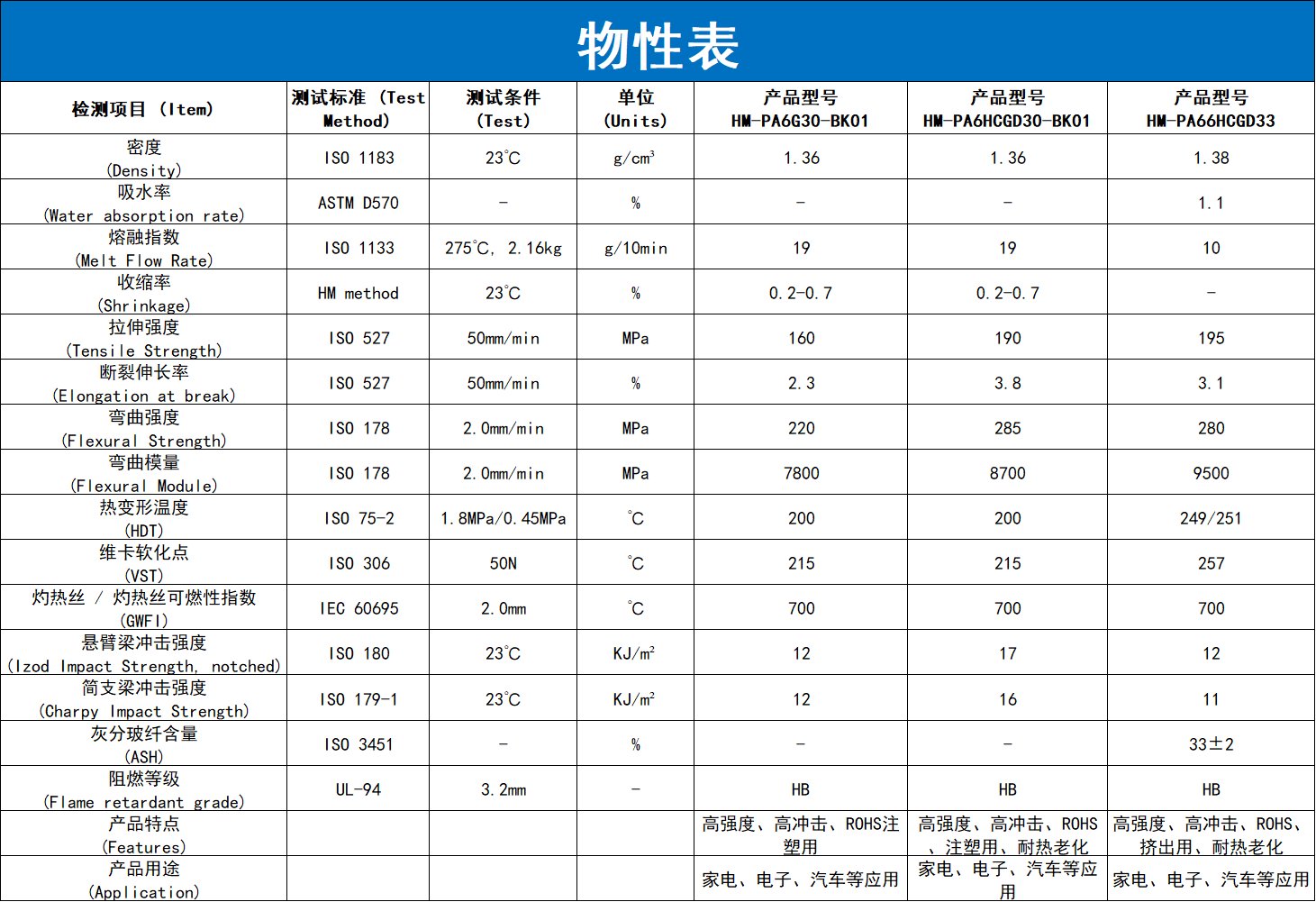
GF30 doubles PA66’s tensile strength (from 60–80MPa to 160–200MPa) and triples flexural modulus (to 8,000–9,000MPa), creating a metal-like rigid structure. Zhongxinhuamei’s proprietary compatibilizer technology improves fiber-resin bonding by 40%, further boosting fatigue resistance.
2. Dimensional Stability & Creep Resistance
Glass fiber drastically reduces PA66’s thermal expansion (by 50–60%) and moisture-induced swelling (to 0.3–0.5%), ensuring parts maintain tight tolerances under temperature/humidity changes. It eliminates creep under sustained loads—critical for assembled components.
3. Heat Resistance
Heat deflection temperature rises from ~70°C (pure PA66) to ~250–260°C (GF30), enabling continuous use at 150°C+.
4. Wear & Durability
Higher hardness (Shore D 85–90) and fiber reinforcement deliver exceptional wear resistance for gears, bearings and sliding components.
Processing PA66 GF30: Challenges & Best Practices
Molding Considerations
Drying: 100–120°C for 4–6 hours (essential for low-moisture processing).
Temperature: 260–300°C melt; 80–120°C mold (reduces warpage).
Pressure/Speed: Medium-high pressure (80–120MPa), moderate speed.
Tooling: Wear-resistant molds (GF is abrasive); proper venting and ejection.
Zhongxinhuamei’s PA66 GF30 features optimized flowability, minimizing mold wear and simplifying processing while retaining high performance.
Designing with PA66 GF30: Avoid Common Pitfalls
PA66 GF30 exhibits anisotropic behavior—fibers align with melt flow, creating directional strength. Successful design requires:
Uniform wall thickness: Avoid abrupt transitions (prevents stress concentrations).
Fiber orientation awareness: Align critical loads with flow direction.
Generous radii: Reduce notch sensitivity.
Adequate draft angles: Simplify ejection (≥1°).
Zhongxinhuamei provides free design and processing guidance to maximize PA66 GF30 performance.
Industrial Applications of PA66 GF30
Automotive
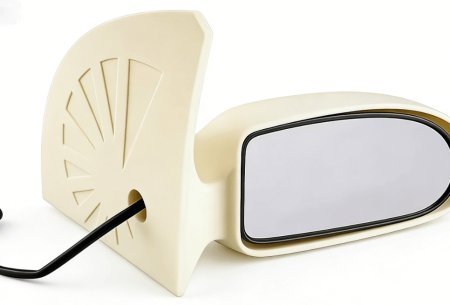
Engine components, battery brackets, structural parts—lightweight (40% vs. metal), heat-resistant and dimensionally stable.
Electrical & Electronics
Connectors, enclosures, coil bobbins—high insulation, flame resistance (UL94 V-0 optional) and stability.
Industrial Machinery
Gears, bearings, pump housings—wear-resistant, low-friction and load-bearing.
Consumer & Outdoor
Power tools, drones, sporting goods—strength, durability and weather resistance.
PA66 GF30 vs. Virgin PA66: Lifecycle Performance
| Property | Virgin PA66 | PA66 GF30 | Improvement |
|---|---|---|---|
| Tensile Strength | 60–80MPa | 160–200MPa | ~175% |
| Flexural Modulus | 2,500–3,000MPa | 8,000–9,000MPa | ~200% |
| Heat Deflection Temp | ~70°C | ~255°C | ~260% |
| Thermal Expansion | High | 50–60% Lower | Significant |
| Creep Resistance | Poor | Excellent | Dramatic |
| Dimensional Stability | Moderate | Exceptional | Critical |
While virgin PA66 excels in toughness, PA66 GF30 dominates in structural, high-temperature and precision applications.
Why Choose Zhongxinhuamei PA66 GF30?
With 30+ years in modified plastics, Zhongxinhuamei delivers superior PA66 GF30:
Advanced formulation: Proprietary compatibilizers for optimal fiber bonding.
Customization: Tailor rigidity, friction, color and flame resistance.
Consistent quality: MES-controlled production (±3% batch variation).
Technical support: Full design, processing and troubleshooting assistance.
Proven performance: Used by automotive, electronics and industrial leaders.
Conclusion
30% glass fiber (GF30) is not just a number—it’s the optimal ratio that unlocks PA66’s full potential, transforming it from a general-purpose plastic into a high-performance engineering material. PA66 GF30 delivers unmatched stiffness, dimensional stability, heat resistance and durability, making it indispensable for modern manufacturing.
Qingdao Zhongxinhuamei’s PA66 GF30 compounds combine advanced formulation, strict quality control and expert technical support to solve real-world engineering challenges. When performance, reliability and consistency matter, Zhongxinhuamei PA66 GF30 is the preferred choice for critical components across global industries.