
The Hidden Friction Issue with PA66+GF30 in Key Assemblies
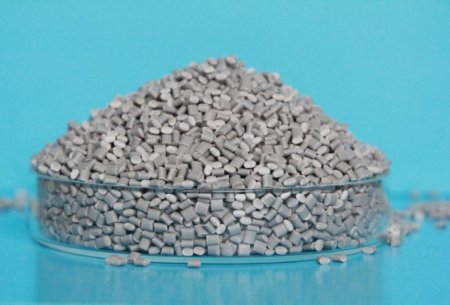
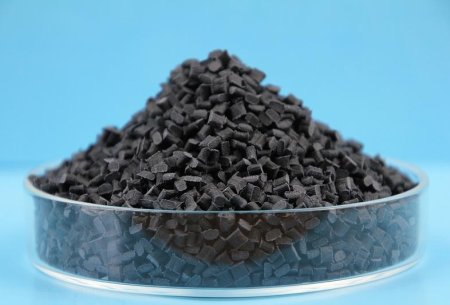
PA66+GF30 (30% glass fiber reinforced nylon 66)is widely used in electronic keys, automotive components, and industrial parts for its high strength, rigidity, and dimensional stability. However, many manufacturers face unexpected key sticking when pairing PA66+GF30 keys with TRITAN or other plastic snaps. The problem comes from high surface roughness, strong rigidity, and high friction—even with proper clearance. This article explains the root causes and provides actionable solutions, with material recommendations from Qingdao Zhongxinhuamei Plastic Co., Ltd.
Why PA66+GF30 Leads to Key Sticking
PA66+GF30 has unique properties that create friction challenges in snap-fit assemblies:
High rigidity & surface roughness: Glass fiber increases stiffness but raises surface roughness, creating high friction against mating parts.
High friction coefficient: The rough GF surface generates large resistance during assembly, causing sticking or jamming.
TRITAN’s adhesive nature: TRITAN has a sticky surface that amplifies friction with PA66+GF30.
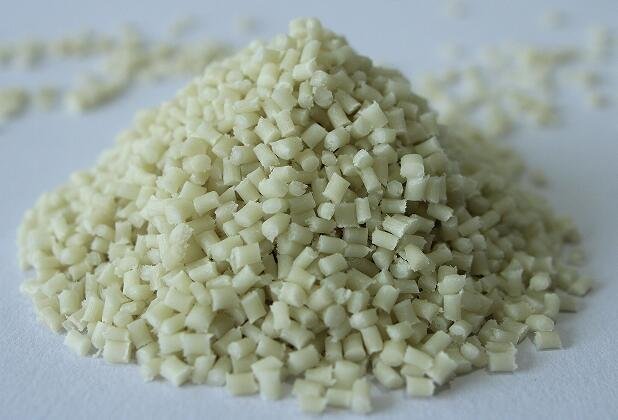
Post-molding rigidity: Freshly molded parts are extra stiff, worsening friction before moisture conditioning.
These issues often go unnoticed during design, leading to assembly failures and low production yield.
Key Solutions to Reduce Friction & Eliminate Sticking
1. Material Optimization (The Most Effective Fix)
Use self-lubricating PA66+GF30: Qingdao Zhongxinhuamei offers low-friction PA66+GF30 with silicone or PTFE additives, cutting friction by 30–50%.
Modify mating parts: Add silicone masterbatch to TRITAN to lower its surface friction.
Choose alternative materials: For high-friction applications, use PA66+CF30 (carbon fiber reinforced) for lower friction and better wear resistance.
2. Design Improvements
Minimize contact area: Reduce snap contact surfaces to lower total friction.
Add lead-in angles: Use 1°–1.5° draft angles on mating surfaces for smooth insertion.
Optimize clearance: Ensure 0.03–0.05 mm gap to account for PA66’s moisture expansion (0.3–0.5%).
3. Post-Molding Conditioning
Moisture conditioning: Soak parts in 80–100°C hot water for 2–4 hours to increase toughness and reduce friction.
Aging: Let parts sit 7+ days to stabilize dimensions and improve self-lubrication.
4. Injection Molding Process Adjustments
Polish mold surfaces: Reduce part roughness by polishing mold cavities.
Optimize parameters: Use moderate injection speed and proper mold temperature (80–120°C) to minimize fiber exposure.
Ensure thorough drying: Dry PA66+GF30 at 100–120°C for 4–6 hours to prevent defects.
Why Choose Qingdao Zhongxinhuamei for PA66+GF30 Solutions
Qingdao Zhongxinhuamei specializes in modified PA66+GF30 for key and snap-fit applications:
Custom low-friction grades: We formulate PA66+GF30 with silicone, PTFE, or internal lubricants to reduce sticking.
Tailored performance: Adjust rigidity, friction, and color to match your design needs.
Technical support: Our team provides one-on-one guidance on material selection, design, and processing.
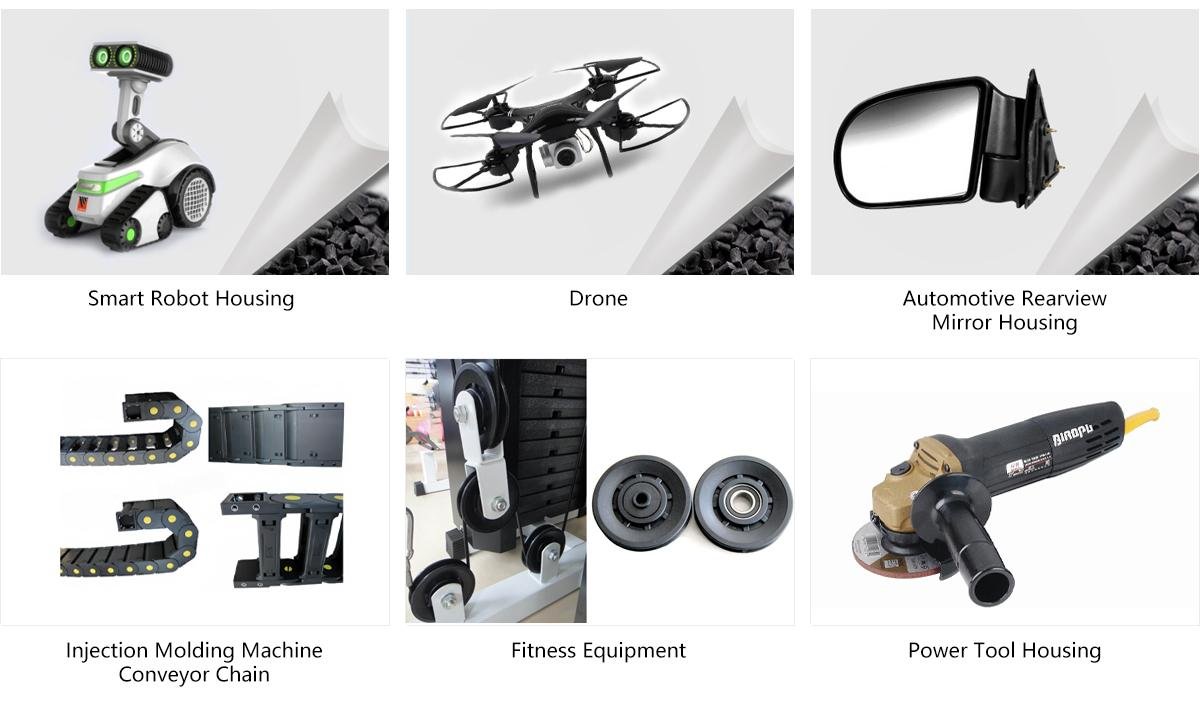
Proven quality: Our materials are used in consumer electronics, automotive, and industrial products worldwide.
Conclusion
PA66+GF30 is an excellent engineering plastic, but its high friction can cause key sticking in snap assemblies. By combining material modification, design optimization, and proper processing, you can achieve smooth, reliable assembly. Qingdao Zhongxinhuamei’s low-friction PA66+GF30 and custom solutions solve this problem effectively, improving production efficiency and product quality. Whether you need standard or self-lubricating grades, we have the right material for your key assembly needs.