
In traditional metal casting foundries, cast iron molds and patterns play a pivotal role in shaping final metal components. However, conventional CNC machining or manual mold fabrication involves lengthy development cycles, high tooling costs, and expensive modifications. When dealing with small-batch production, custom prototyping, or intricate metal casting designs, 3D printed tooling offers a significantly faster, cost-effective alternative.
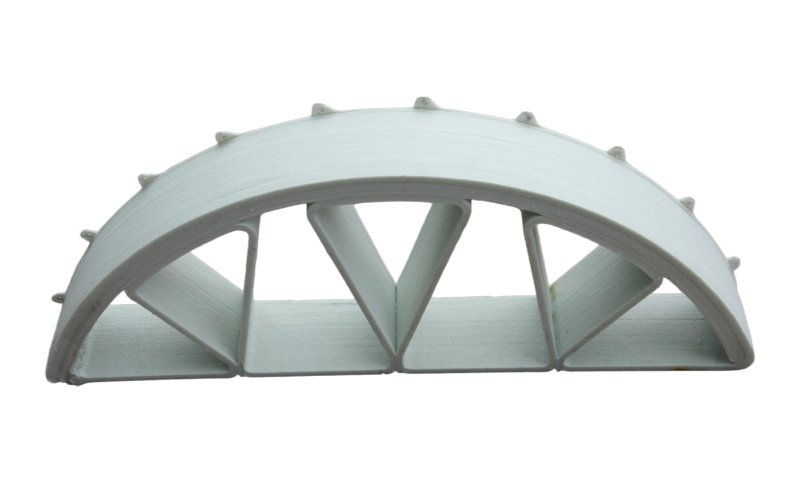
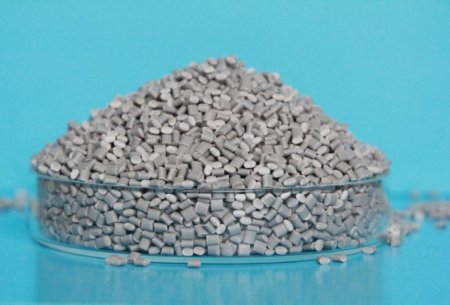
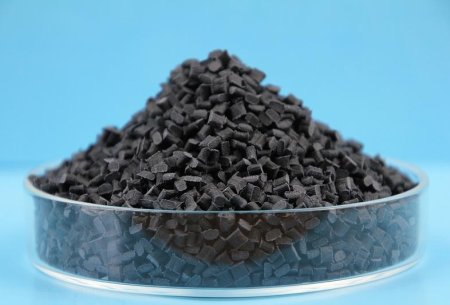
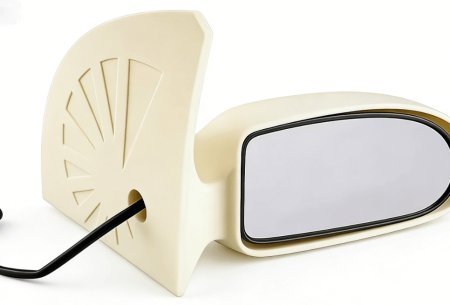
To satisfy strict foundry requirements for structural accuracy, thermal tolerance, and physical durability, Qingdao Zhongxin Huamei Plastic Co., Ltd. engineers specialized Glass Fiber Reinforced PP (Polypropylene) resin, designed specifically for 3D printed cast iron molds, sand casting patterns, lost foam tooling, and industrial fixtures.
What Key Challenges Impact 3D Printed Casting Molds?
Pattern makers and foundry engineers face several physical constraints when replacing traditional metal molds with 3D printed polymers:
Warpage and Thermal Shrinkage: Standard unreinforced polypropylene suffers from high crystallization shrinkage, causing part distortion, curling, and layer separation during large-format 3D printing.
Mechanical Deformation Under Compression: Molds used in sand casting must withstand severe external pressure during sand compacting without flexing or losing edge sharpness.
Rough Surface Finish and Delamination: Poor melt flow leads to visible layer lines, void defects, and brittle internal bonds that crack during mold handling and assembly.
Pre-Casting Heat Exposure: Mold components must endure moderate baking temperatures and ambient heat without softening or losing dimensional tolerances.
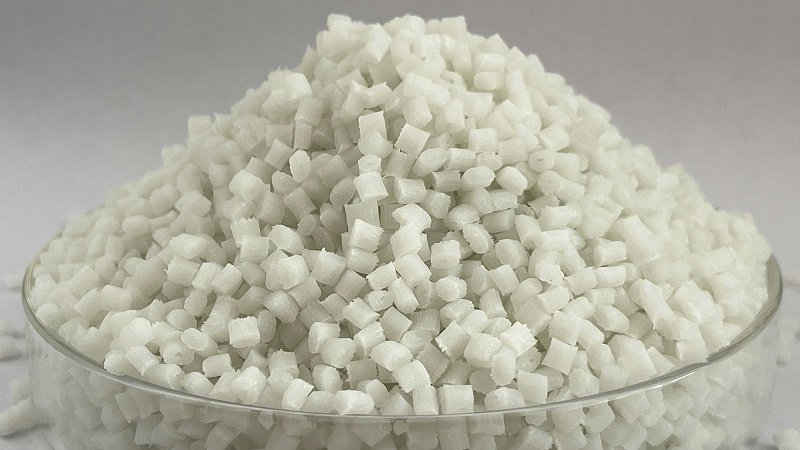
Technical Advantages of Glass Fiber Reinforced PP 3D Printing Compounds
Engineered glass fiber reinforced PP resin resolves these processing and physical limitations by combining low shrinkage with high mechanical stiffness:
Exceptional Low-Warpage Performance: Glass fiber reinforcement reduces crystallization shrinkage, preventing part curling and wall warping during large-scale 3D printing.
Smooth Melt Flow and Strong Interlayer Adhesion: Features optimized rheological properties to eliminate layer delamination, producing clean curved surfaces, sharp functional edges, and precise reinforcing ribs.
High Impact and Compression Strength: Delivers robust notch impact toughness and flexural rigidity, allowing printed molds and fixtures to endure shop-floor handling and sand compaction without cracking.
Controlled Thermal Expansion: Withstands pre-casting bake-out conditions and ambient thermal shifts while maintaining tight dimensional tolerances for precision casting.
Environmental & Workplace Safety: Formulated with non-toxic, eco-friendly raw materials, meeting clean manufacturing and foundry safety standards.
Material Performance Comparison for Casting Tooling
| Performance Metric | Glass Fiber Reinforced PP Resin | Unreinforced Standard PP Resin | Standard ABS Resin |
| Print Warpage & Shrinkage | Extremely Low (Dimensional Precision) | High (Prone to Curling & Warping) | Moderate |
| Interlayer Bond Strength | High (Zero Delamination) | Moderate | High |
| Flexural & Compression Modulus | High Stiffness Under Compression | Soft / Flexible | Moderate |
| Chemical & Moisture Resistance | Superior (Non-Absorbing Matrix) | Superior | Moderate |
| Prototyping Cost Efficiency | High (Low Density, Fast Output) | Moderate | Moderate |
Partner with Qingdao Zhongxin Huamei Plastic Co., Ltd.
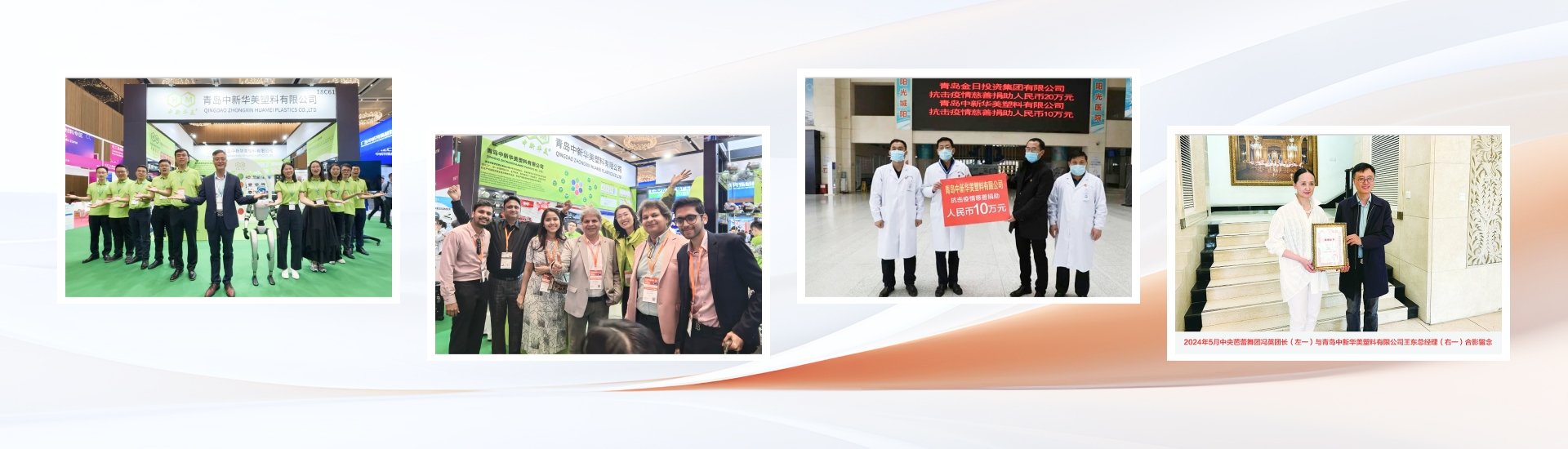
Selecting a certified polymer source factory requires verifying raw material compounding precision, adjustable fiber loading percentages, and batch-to-batch physical property consistency. Established in May 1997 as an official joint venture enterprise backed by CHIMEI Corporation, Qingdao Zhongxin Huamei Plastic Co., Ltd. is a certified National High-Tech Enterprise with nearly 30 years of compounding expertise.
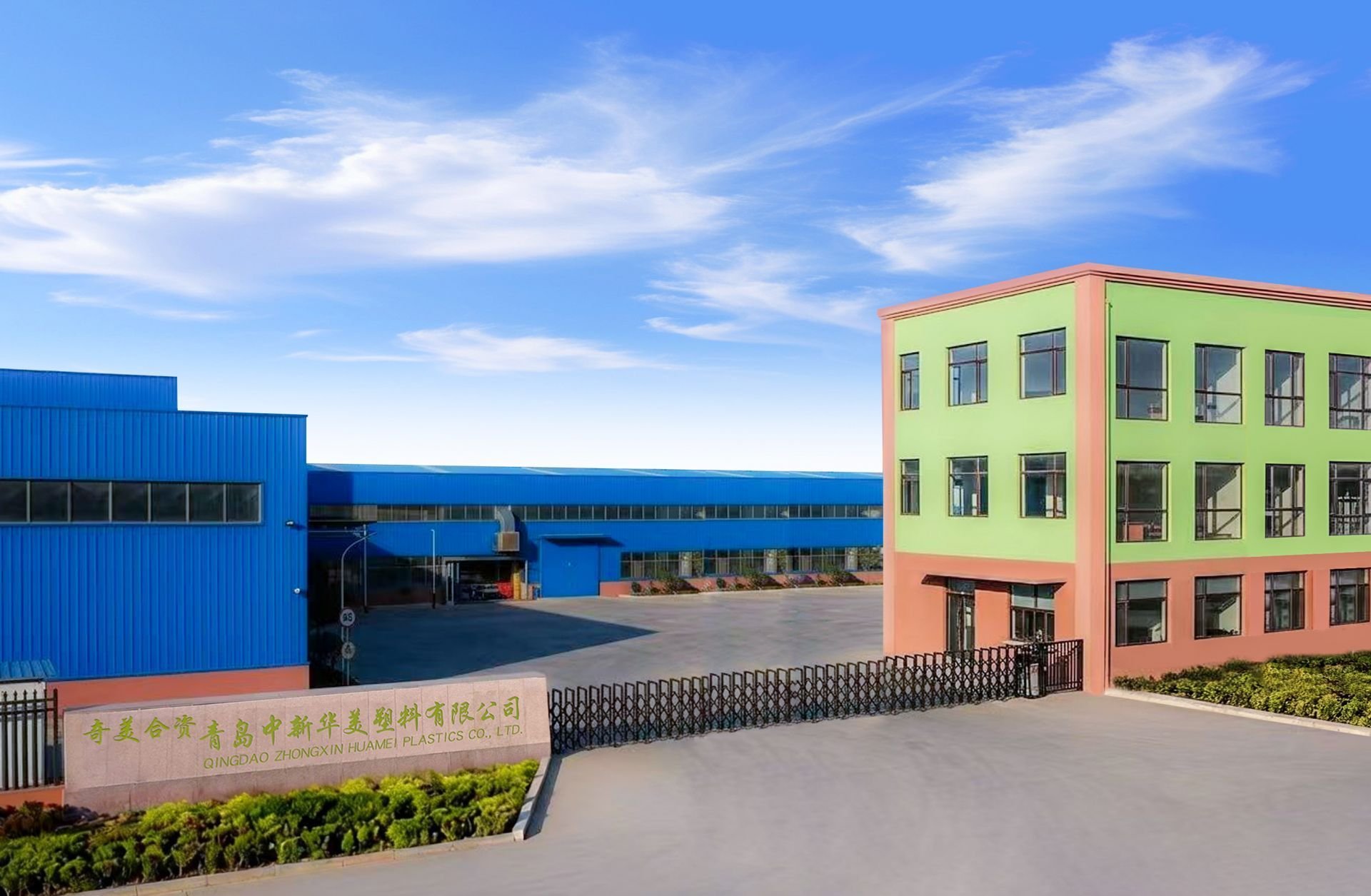
Operating across a 45,000 m² modern manufacturing facility with 30 automated granulating lines and an annual capacity exceeding 100,000 tons, our engineering team provides tailored material solutions. We customize glass fiber content, flame retardancy, flexural modulus, and heat resistance to match specific 3D printing build sizes, tooling fixtures, industrial jigs, and foundry patterns.
In addition to 3D printing PP compounds, Contact our technical sales team under FOB or EXW shipping terms to request technical datasheets and order evaluation sample batches.