
With aerial photography, agricultural plant protection, and industrial inspection drones rapidly expanding across commercial markets, battery endurance, crash resistance, and flight stability have become primary design benchmarks. As the central load-bearing structure housing motors, batteries, and gimbals, the drone frame's material selection directly determines overall flight performance.
Traditional aluminum alloy frames add excess dead weight that drains battery life. Pure carbon fiber sheets require complex, costly machining and are susceptible to brittle cracking upon severe impact. Meanwhile, standard glass fiber-reinforced nylons lack sufficient structural stiffness, leading to frame flexing under high-speed flight maneuvers.
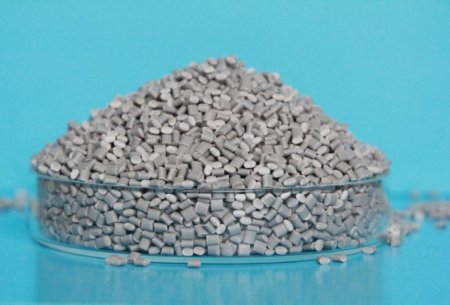
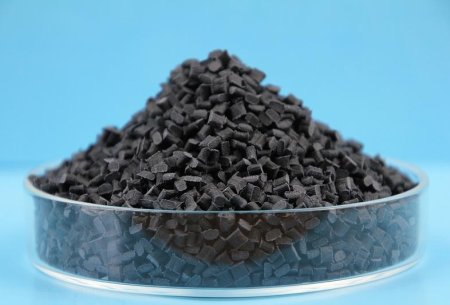
To overcome these structural trade-offs, leading drone manufacturers rely on carbon fiber reinforced nylon resin, engineered to balance lightweight performance, ultra-high strength, impact resilience, and high-volume injection molding.
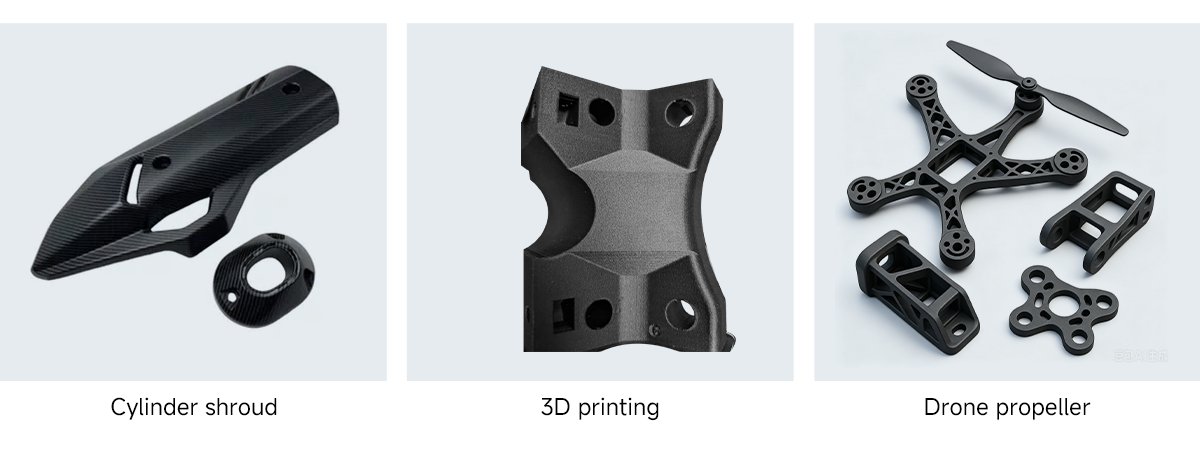
What Key Challenges Impact Structural Drone Frame Performance?
Drone hardware engineers face strict physical constraints when designing structural arms, landing gear, and motor mounts:
Dead Weight and Battery Drain: Heavy metal frames shorten flight times and increase motor load, reducing payload capacity for cameras or agricultural tanks.
Flight Deformation and Airflow Resistance: High-speed flight and sharp directional turns generate intense torsional stress. Soft plastic frames twist under pressure, leading to flight instability and motor misalignment.
High Impact Crash Failure: Hard landings and accidental collisions subject arms and joint brackets to severe shock loads, causing brittle materials to shatter into unusable pieces.
Thermal Buildup and Tight Component Enclosures: Heat generated by high-power motors and sealed flight controllers demands high heat deflection temperatures to prevent plastic deformation near mounting points.
Technical Advantages of Carbon Fiber Reinforced Nylon Compounds
Engineered carbon fiber reinforced nylon resin replaces heavy metal alloys while delivering superior mechanical and thermal resistance over standard modified polymers:
Over 40% Weight Reduction: Significantly lowers structural mass compared to aluminum alloys, reducing motor workload to extend single-charge flight times and payload range.
Ultra-High Mechanical Modulus: Boasts a tensile strength up to 200 MPa, flexural strength of 290 MPa, and a flexural modulus of 11,300 MPa. This extreme stiffness prevents frame twisting under violent wind gusts and high-speed maneuvers.
Crash Shock Absorption: Features a notched Izod impact strength of 8–12 kJ/m² at ambient temperatures, effectively absorbing collision energy during hard landings to lower repair costs.
Thermal Deflection Resistance up to 240°C: Withstands continuous motor heat and direct sun exposure without dimensional movement, passing the 700°C glow-wire test for electronic safety compliance inside enclosed battery compartments.
Optimized Molding Efficiency: Excellent melt flow characteristics support complex, hollowed-out frame geometries in one-shot injection molding, increasing production yield rates by approximately 5%.
Material Performance Comparison for Drone Structural Arm Materials
| Performance Metric | Carbon Fiber Reinforced Nylon | Aluminum Alloy (6061-T6) | Pure Carbon Fiber Sheet | Standard Glass Fiber Nylon (PA66 GF30) |
| Density & Weight Reduction | Ultra-Lightweight (~40% lighter) | Heavy Baseline | Ultra-Lightweight | Moderate Weight |
| Tensile Strength | Up to 200 MPa | ~310 MPa | ~600+ MPa | ~175 MPa |
| Crash Fracture Behavior | High Energy Absorption | Bends / Permanently Warps | Brittle Splintering | Moderate Fracturing |
| Manufacturing Process | Direct Injection Molding | Multi-Axis CNC Machining | CNC Cutting & Drilling | Direct Injection Molding |
| Complex Geometry Molding | Exceptional One-Shot Capability | High Machining Cost | Flat Profiles Only | Good |
Partner with Qingdao Zhongxin Huamei Plastic Co., Ltd.
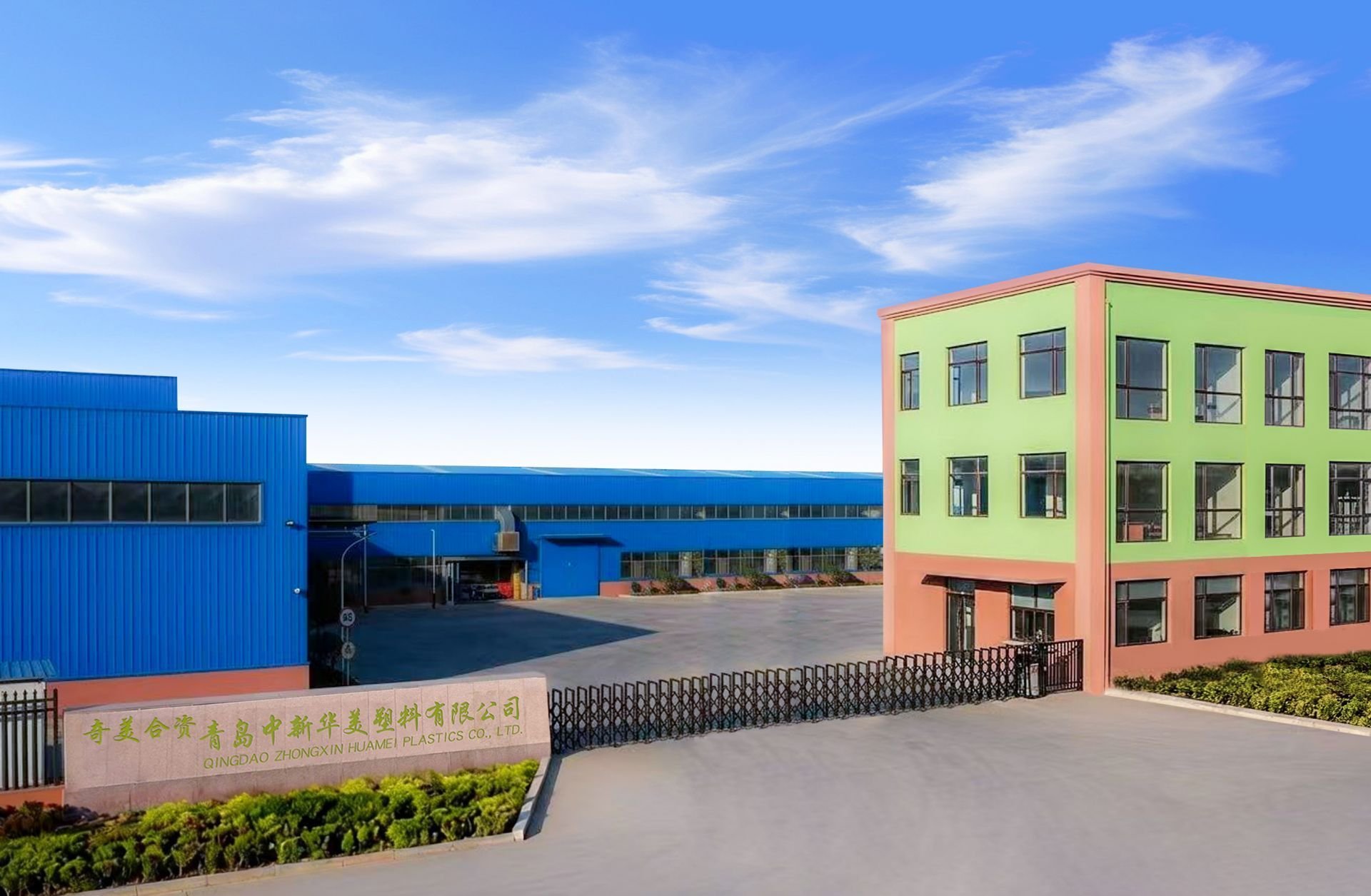
Sourcing reliable carbon fiber reinforced polymers requires verifying raw material compounding precision, fiber length distribution, and batch-to-batch physical property consistency. Established in May 1997 as an official joint venture enterprise backed by CHIMEI Corporation, Qingdao Zhongxin Huamei Plastic Co., Ltd. is a certified National High-Tech Enterprise with 30 years of compounding expertise.
Operating across a 45,000 m² modern manufacturing plant with 30 automated granulating lines and an annual capacity exceeding 100,000 tons, our dedicated engineering team provides one-stop custom compounding services. We tailor carbon fiber loading percentages to meet exact load-bearing requirements for consumer FPV racing drones, photography quadcopters, and heavy-duty agricultural aircraft.
In addition to high-strength carbon fiber nylon compounds, we supply prime general-purpose injection molding resins, including Chimei ABS PA-757Q for high-gloss, low-odor remote control transmitter housings and electronic enclosures. Contact our technical sales team under FOB or EXW shipping terms to request technical datasheets, obtain tailored engineering advice, and order sample evaluation batches.