
Plastic granules, also known as resin pellets, are the foundational material that dictates the quality, cost, and efficiency of your entire production process. For a Purchasing Manager at an Overseas Injection Molding Factory, sourcing the right plastic granules is not merely a transaction; it is a critical strategic decision that impacts everything from cycle time and scrap rate to final product performance and margin.
This guide provides an in-depth, industry-focused look at plastic granules, offering the insights you need to optimize your procurement strategy, minimize risk, and ensure peak manufacturing performance. We’ll analyze the challenges of material sourcing and present solutions, including why a direct partnership with a premier plastic granules factory in China can be your most significant competitive advantage.
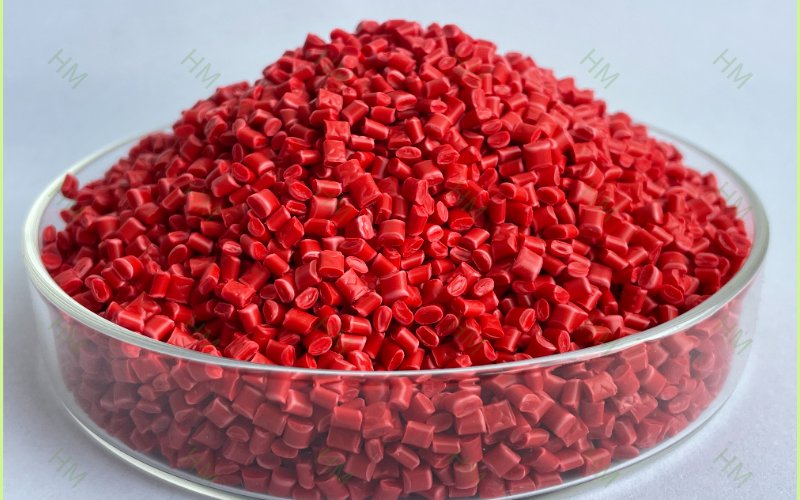
(gm pp epdm-t20)
What Are Plastic Granules and Why Do They Matter?
Plastic granules are small, uniform, bead-like materials that serve as the primary feedstock for virtually all plastic manufacturing, especially injection molding.
The importance of these seemingly simple pellets cannot be overstated:
Process Stability: Uniform size, shape, and moisture content in the plastic granules are essential for consistent screw recovery, melt homogeneity, and predictable shot volume, directly affecting part-to-part consistency.
Cost and Quality Control: The purity (virgin vs. recycled), material type (PE, PP, ABS, PC, etc.), and additive package determine the physical properties and the total cost of the final part. Low-quality granules lead to defects like splay marks, voids, and warping, increasing your scrap rate and eroding profitability.
The Critical Role of Granule Consistency in Injection Molding
For an injection molding operation, the quality of the plastic granules directly controls key operational parameters. As a Purchasing Manager, you must ensure your sourced material has the tightest specifications to minimize downstream defects.
1. Melt Flow Index (MFI) and Viscosity
The MFI is the most critical material specification. It indicates the ease with which the molten plastic flows.
Too High MFI: Plastic flows easily but often results in parts with lower strength and a higher risk of flash (material leaking out of the mold parting line).
Too Low MFI: Plastic is highly viscous, requiring higher injection pressure and temperature, potentially leading to incomplete filling or stress in the final part.
2. Moisture Content
Many engineering and commodity resins, like Nylon (PA) and PET, are hygroscopic (absorb moisture).
Splay Marks (Silver Streaks): Surface defects caused by vaporized moisture.
Polymer Degradation: Hydrolysis breaks down the polymer chain, significantly reducing the mechanical strength of the part.
Procuring plastic granules with guaranteed low-moisture content or partnering with a supplier that provides the correct packaging is a non-negotiable quality checkpoint.
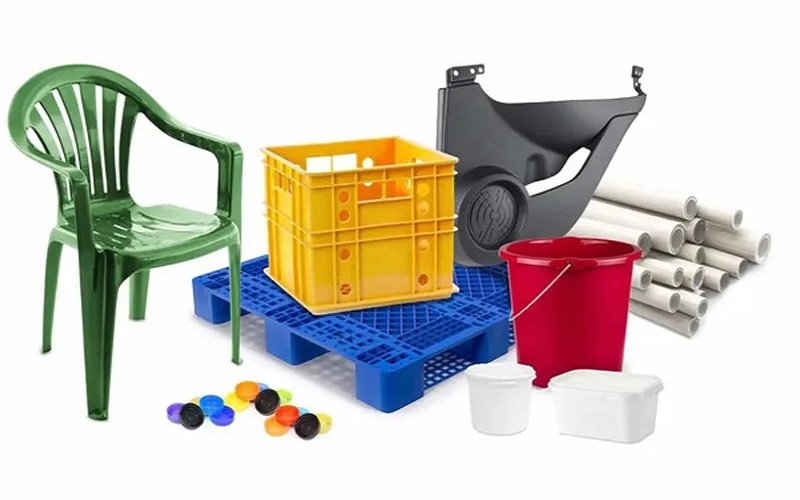
(PP plastic pellet injection molded parts)
Strategic Sourcing: Finding Your Ideal Plastic Granules Partner
A Purchasing Manager’s primary challenge involves balancing cost control, supply chain resilience, and quality compliance. Global market volatility, geopolitical risks, and material shortages (like the resin crisis of 2021) have made supplier diversification essential.
Analyzing the Work Scenario: Challenges and Solutions
| Challenge (The Manager's Pain Point) | Industry Implication | Solution Strategy |
| Volatile Pricing | Difficulty in setting fixed product costs and profit margins. | Negotiate long-term, fixed-price contracts for key . |
| Long Lead Times/Logistics | Production delays, increased inventory costs, and capital lockup. | Partner with a highly efficient with integrated logistics networks. |
| Inconsistent Quality | High scrap rates, frequent machine downtime for parameter adjustment. | Require strict batch traceability, Certificate of Analysis (COA), and third-party testing for every batch. |
| Sustainability Demands | Pressure from OEMs to use Recycled Content (r-PET, r-PP, etc.). | Source from a plastic granules factory in China that specializes in high-quality, certified recycled and biodegradable resins. |
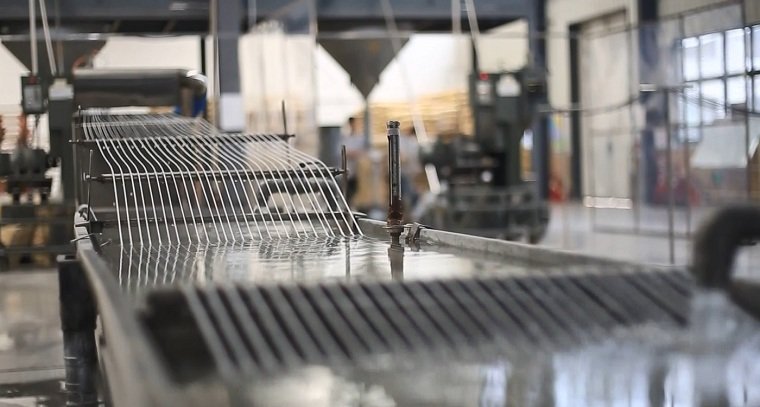
(plastic granules factory in China)
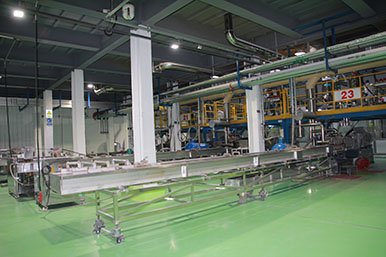
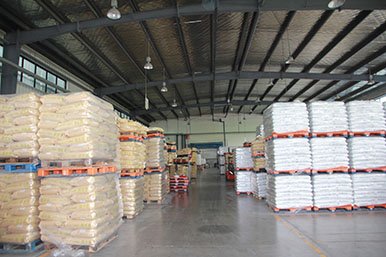
The Value of a Direct China Partnership
Partnering directly with a reputable plastic granules factory in China offers several strategic advantages:
Scale and Cost-Efficiency: Access to vast production capacities and competitive raw material pricing inherent to a major manufacturing hub.
Integrated Supply Chain: Chinese suppliers often benefit from an integrated raw material ecosystem, reducing lead times for modified and specialty plastic granules that require specific additives (UV stabilizers, flame retardants, etc.).
Technical Customization: Direct factory communication allows for better collaboration on developing custom-colored or compounded plastic granules tailored precisely to your injection molding machine’s specifications.
Advanced Solutions: Recycling and In-House Granulation
The rising cost of virgin resin and the global push for sustainability have made high-quality recycled material a necessity. This introduces a new operational model: In-House Granulation.
Product Spotlight: The High-Efficiency Plastic Pelletizing Line
A High-Efficiency Plastic Pelletizing Line is the definitive industrial solution for a Purchasing Manager seeking to take control of material costs and quality.
This system is not merely a granulator; it is a full-cycle reprocessing system that:
Reduces Virgin Resin Dependence: By recycling your own high-quality scrap, you significantly decrease the volume of expensive virgin plastic granules you need to purchase.
Ensures Quality Consistency: Since you control the process, you guarantee that the regrind plastic granules are the same material type, preventing contamination and ensuring predictable melt characteristics.
Increases Profitability: The cost of reprocessing is drastically lower than the purchase price of new material, turning your scrap pile into an immediate, high-value resource.
Investing in this technology positions your injection molding factory at the forefront of the circular economy, offering a competitive edge and robust cost protection.
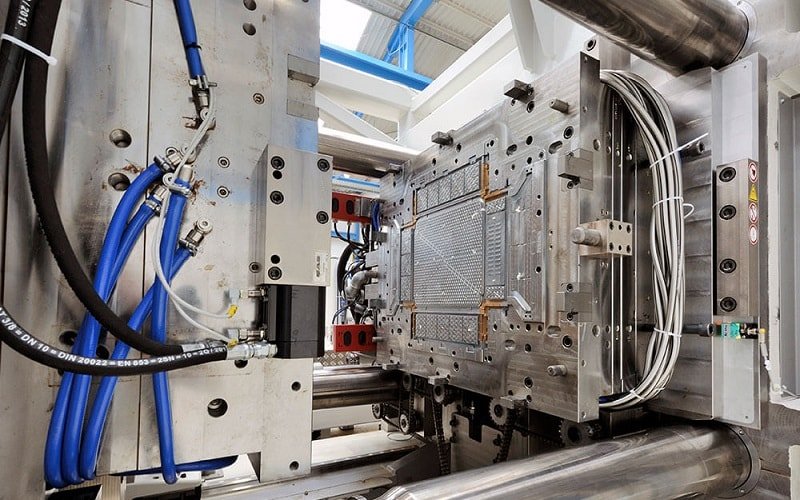
(Plastic granules Injection Molding Prod)
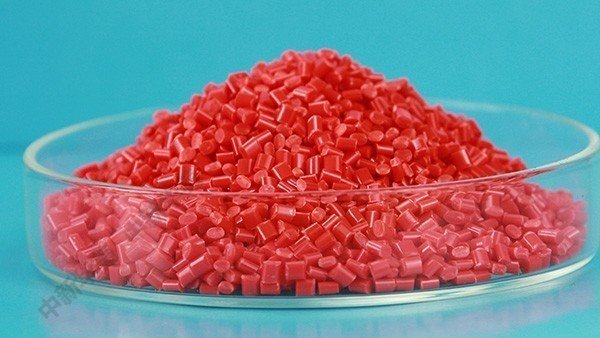
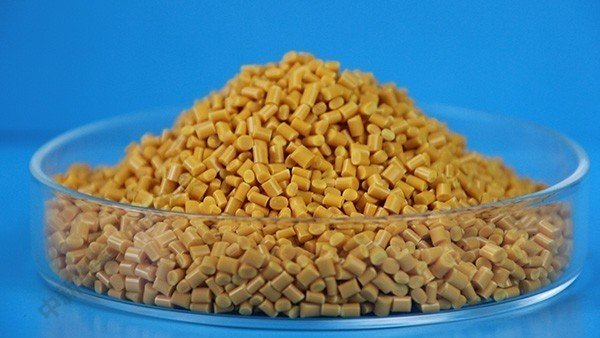
How Many Types of Plastic Granules Are There?
For procurement purposes, categorizing plastic granules helps in risk management and compliance. The types are typically defined by the base polymer and their application properties.
(Engineering Plastics CHIMEI ABS)
Based on Resin Type (The Core Materials)
| Type (Resin) | Key Use Cases | Critical Procurement Factor |
| Polyethylene (PE) (LDPE, HDPE) | Films, bottles, containers, pipe fittings. | Consistent Density (Crucial for thickness/weight control). |
| Polypropylene (PP) | Automotive parts, durable consumer goods, caps, and closures. | High Melt Flow Consistency (For fast cycle times). |
| Polystyrene (PS) (General, HIPS) | Packaging, disposable cutlery, electronic housings. | Impact Strength (Varies significantly with grade). |
| Polyvinyl Chloride (PVC) | Tubing, medical devices, cable insulation. | Additive Package (Plasticizers for flexibility). |
| Engineering Plastics (ABS, PC, Nylon/PA) | High-stress parts, electronics casings, lens-like parts. | Purity and Thermal Stability (High melt temperatures require zero moisture and precise thermal stabilizers). |
Based on Other Characteristics (Strategic Procurement)
Virgin Granules: First-use material; offers the highest purity and most predictable processing characteristics.
Recycled Granules (r-Grades): Processed from plastic waste (e.g., rPET, rHDPE).
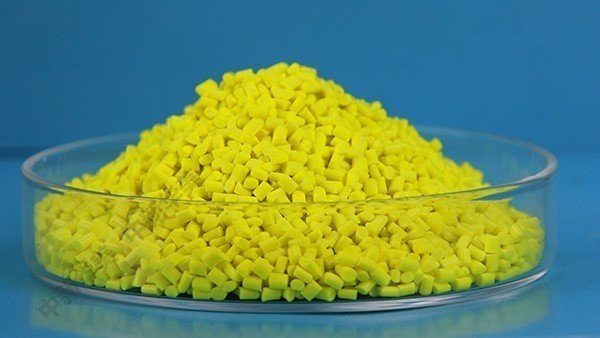
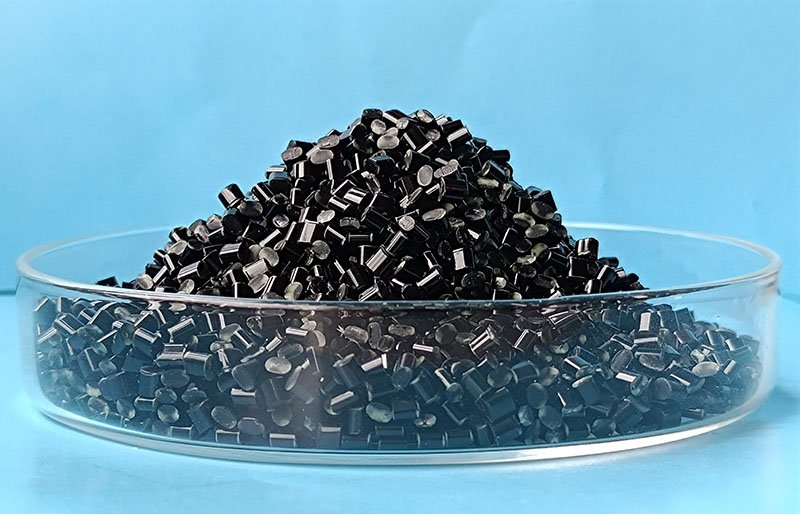
Essential for meeting sustainability mandates. Sourcing requires careful vetting for batch-to-batch consistency and certification. Masterbatch Granules: Highly concentrated pigments or additives (color, UV protection, flame retardants) in pellet form. Used to modify base plastic granules during processing. Requires precise dosing equipment.
(Infrared-transparent ABS Plastic Pellets)
Conclusion: Driving Profitability Through Granule Mastery
As a Purchasing Manager, your strategic decisions on plastic granules directly secure the financial and operational health of your injection molding factory. The future of manufacturing demands not just competitive pricing but also material resilience, quality assurance, and adherence to sustainability targets.
By prioritizing transparent sourcing, implementing rigorous quality controls (especially MFI and moisture content), and exploring cost-saving solutions like an internal Plastic Pelletizing Line, you transform a complex procurement task into a powerful competitive edge. Whether you are sourcing specialty engineering resins or high-volume commodity plastic granules from a reliable plastic granules factory in China, a deep understanding of this fundamental raw material is the master key to achieving continuous operational excellence and maximizing your company’s profit margins.