

The safety helmet, though seemingly small, is an indispensable piece of personal protective equipment (PPE) for every employee working on-site. Its protective role cannot be overstated. As global standards for workplace safety become increasingly stringent, the demand for high-performance materials in helmet construction—especially in critical components—is rising. For purchasing managers at overseas injection molding factories, sourcing the right material is a strategic decision that impacts compliance, product quality, and ultimately, worker safety. This is where Abs Plastic Flame Retardant steps in as the material of choice.
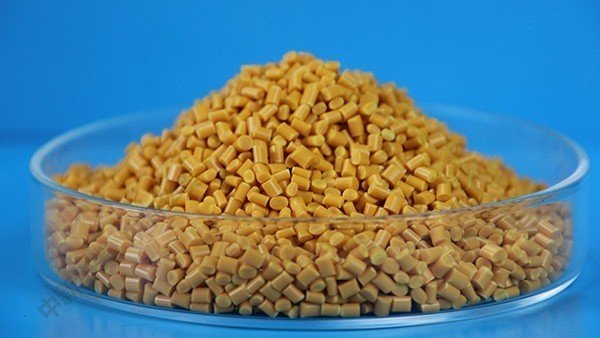
(Abs Plastic Flame Retardant )
We recently assisted Steven, a manager from a Spanish safety helmet manufacturer, who was specifically searching for Abs Plastic Flame Retardant to produce a key helmet accessory. His quest led him to a material supplier specializing in customized flame-retardant ABS, highlighting a critical industry trend: the need for reliable, compliant, and customizable safety plastics.
The Imperative for Flame Retardancy in Safety Helmets
Safety helmets are primarily designed to absorb impact and protect against penetration. However, many hazardous work environments, such as welding, electrical maintenance, petrochemical sites, and mining, also expose workers to sparks, high heat, and potential fire risks.
Industry Analysis: High-Risk Work Environments
Industry/Sector | Typical Hazard | Component Requirement |
Construction/Welding | Welding spatter, sparks, localized heat | High resistance to ignition/melting from brief, intense heat exposure. |
Electrical Utilities | Arc flash, short circuits, electrical fires | Must prevent the component from sustaining a flame and propagating fire. |
Oil & Gas/Petrochemical | Flammable vapors, process fires | Strict compliance with global fire safety standards (e.g., UL 94 V-0). |
Mining | Equipment friction, flammable dust | Material must be self-extinguishing and minimize toxic smoke release. |
In these scenarios, standard ABS plastic, while offering good mechanical strength, can ignite and continue to burn, posing a severe risk to the wearer. By incorporating advanced flame retardant additives, Abs Plastic Flame Retardant drastically reduces the material's flammability, ensuring that even if an accessory component is exposed to a flame source, it will be self-extinguishing, meeting crucial safety standards like the UL 94 V-0 rating. This characteristic is non-negotiable for high-end safety PPE.
Challenges and Solutions in Material Selection
Injection molding factories sourcing materials often face a set of common challenges when dealing with flame retardant plastics:
Processing Difficulties: Some flame retardant additives can make the resin difficult to mold, leading to poor surface finish or inconsistent mechanical properties.
UV and Thermal Stability: Flame retardant ABS is sometimes susceptible to degradation and color shift (yellowing) when exposed to UV light or heat, which is a major concern for outdoor-use safety equipment.
Compliance and Customization: Global markets have diverse regulatory requirements. A generic material may not meet a specific regional standard or a specialized application's need.
The ideal solution lies in specialized, customized compounds. A premium Abs Plastic Flame Retardant solution must overcome these hurdles. For instance, sophisticated compounding techniques now allow for excellent flow characteristics while maintaining high impact strength. Furthermore, advanced stabilizers are used to address aesthetic and functional concerns. A top-tier material should also be Yellowing resistant flame retardant ABS V0, ensuring the component maintains its color and structural integrity throughout its service life, even under harsh outdoor conditions.
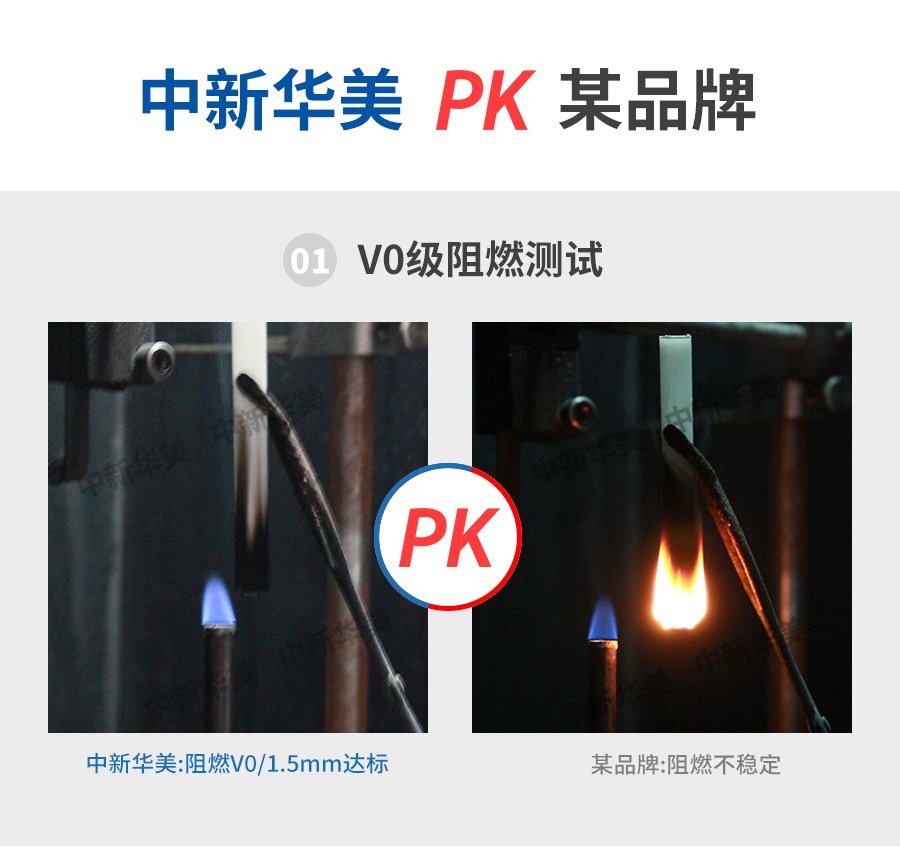
(Flame Retardancy Comparison Test of Flame-Retardant ABS Materials)
Key Benefits of Customized Abs Plastic Flame Retardant Compounds
Choosing a tailored flame retardant ABS material offers significant advantages for safety component manufacturing:
Guaranteed Compliance (UL 94 V-0): The primary benefit is meeting the industry-standard flame retardancy classification, which verifies the material will stop burning within 10 seconds and will not drip flammable material.
Enhanced Durability: ABS is known for its excellent balance of hardness, gloss, toughness, and impact resistance. The compounding process maintains these critical mechanical properties.
Aesthetic Longevity: Utilizing Yellowing resistant flame retardant ABS V0 technology ensures the safety components—which are often brightly colored for high visibility—remain professional-looking and functional by resisting environmental degradation.
Optimized Production: Customized compounds are engineered for smooth injection molding, offering fast cycling times and reducing defects, which translates directly into cost savings and higher efficiency for the injection molding plant.
Application Versatility: Beyond helmet accessories, this material is suitable for high-voltage battery enclosures, electrical boxes, appliance housings, and other products where safety and fire protection are paramount. The reliability of Abs Plastic Flame Retardant makes it a versatile stock material.
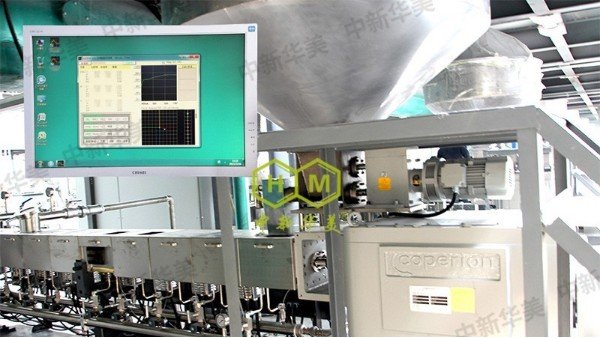
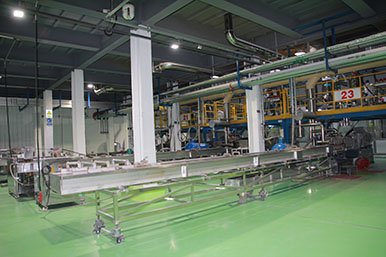
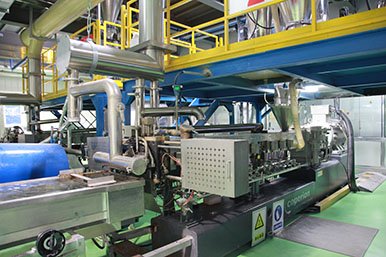
(Abs Plastic Flame Retardant Production Workshop )
Strategic Sourcing: Partnering for Reliable Material Supply
The case of Steven and the Spanish safety helmet company underscores the value of partnership. They didn't just need a material; they needed a solution. A specialized supplier, like the one Steven found, possesses the expertise to adjust the formulation of Abs Plastic Flame Retardant based on:
The component's specific function (e.g., harness, chin strap buckle, lamp bracket).
The required operating temperature and UV exposure.
The exact color and mechanical property profile.
By collaborating closely with an expert compounder, purchasing managers can specify a material that is not only Abs Plastic Flame Retardant but also perfectly optimized for their manufacturing process and the final product's demanding environment. This process ensures that the resulting material is consistently high-quality, fully certified, and provides the necessary safety margin for critical PPE.
Conclusion: Securing Safety with High-Performance Abs Plastic Flame Retardant
The decision to use a high-quality Abs Plastic Flame Retardant in safety helmet components is an investment in worker protection and regulatory compliance. For overseas injection molding factories, selecting a Yellowing resistant flame retardant ABS V0 compound means delivering a product that meets the highest standards for fire safety, mechanical performance, and long-term durability. By prioritizing a material like flame retardant ABS that is proven to withstand harsh conditions, purchasing managers ensure their products are competitive, compliant, and unequivocally safe, setting a new benchmark for personal protective equipment across the globe.