
1. Industry Pain Points: Nylon’s Flammability Limitations in High-Demand Sectors
Nylon, a versatile engineering plastic, is widely used in automotive, home appliance, and electrical industries. However, its inherent flame retardancy is insufficient. It only achieves UL94 V-2 vertical burning rating, has an oxygen index of about 24, and drips during combustion—posing severe fire hazards.
Worse, glass fiber reinforced nylon often causes a "candlewick effect" when burned. The glass fibers act as a wick to sustain the flame, making the material more flammable. For home appliances, electronics, and other industries with strict flame retardancy requirements, ordinary nylon and GF-reinforced nylon fail to meet safety standards. This is where high-performance flame retardant nylon becomes indispensable.
2. Key Evaluation Standards for Flame Retardant Nylon
To assess nylon’s flame retardancy, the industry relies on three core methods:
UL94 Burning Test: Evaluates vertical burning behavior, drip resistance, and flame spread.
Limiting Oxygen Index (LOI): Measures the minimum oxygen concentration required to sustain combustion.
Glow Wire Test (GWT): Assesses resistance to thermal ignition, critical for electrical safety.
Comparative Tracking Index (CTI): Evaluates insulation performance, especially for high-voltage applications.
These standards determine whether nylon can be used in high-safety scenarios like home appliance casings and electronic components.
3. Two Main Routes for Nylon Flame Retardant Modification
Qingdao Zhongxinhuamei, with over 30 years of modified plastic expertise, has mastered two key modification methods to enhance nylon’s flame retardancy:
1. Reactive Flame Retardant Modification
This method integrates flame retardants into the nylon molecular chain via chemical reactions. The flame retardant acts as a monomer, forming flame-retardant functional groups on the nylon backbone.
Advantages: Stable long-term flame retardancy, minimal impact on mechanical properties, and low toxicity.
Disadvantages: Complex processing, high cost, and limited industrial scalability compared to additive modification.
2. Additive Flame Retardant Modification (Widely Used)
The most common approach involves mechanical blending of flame retardants with nylon resin using twin-screw extruders. This method is simple, cost-effective, and suitable for mass production— the core technology adopted by Qingdao Zhongxinhuamei.
4. Comparison: Halogen, Phosphorus, Nitrogen
As environmental regulations tighten, halogenated flame retardant nylon (e.g., bromine-based) is being phased out due to toxic gas emissions. Instead, phosphorus-based and nitrogen-based systems dominate the market:
Phosphorus-Based Flame Retardant Nylon
Uses microencapsulated red phosphorus or red phosphorus masterbatches to avoid toxic phosphine gas release.
Pros: High flame retardancy (excellent LOI and UL94 ratings).
Cons: Low CTI (max 375V) and poor color stability, limiting use in high-end electrical products.
Nitrogen-Based Flame Retardant Nylon
Blends nitrogen-based flame retardants with other additives to balance performance.
Pros: High CTI (up to 600V), ideal for high-voltage electronics, and good color compatibility.
Cons: Slightly lower flame retardancy than phosphorus-based systems.
 Additive-Type Dominance
Additive modification remains the leading choice for flame retardant nylon, as it balances cost, performance, and ease of processing.
5. Future Trends in Flame Retardant Nylon Development
To meet evolving industry needs, future flame retardant nylon research will focus on three key areas:
1. Halogen-Free, Low-Toxicity Materials
Environmental compliance is non-negotiable. Halogen-free flame retardant nylon will become the industry standard, with growing demand for eco-friendly, non-toxic solutions that meet RoHS and REACH regulations.
2. Composite Flame Retardant Systems
Single flame retardants cannot satisfy all requirements. Future 研发 will focus on synergistic composite systems (e.g., phosphorus-nitrogen, phosphorus-nitrogen-silicon) to achieve superior flame retardancy, mechanical strength, and electrical performance.
3. Multi-Functional Flame Retardant Systems
Most current flame retardant systems reduce nylon’s mechanical and electrical properties. The next breakthrough will be multi-functional formulations that enhance flame retardancy without sacrificing toughness, wear resistance, or CTI performance.
6. Qingdao Zhongxinhuamei: Customized Flame Retardant Nylon Solutions
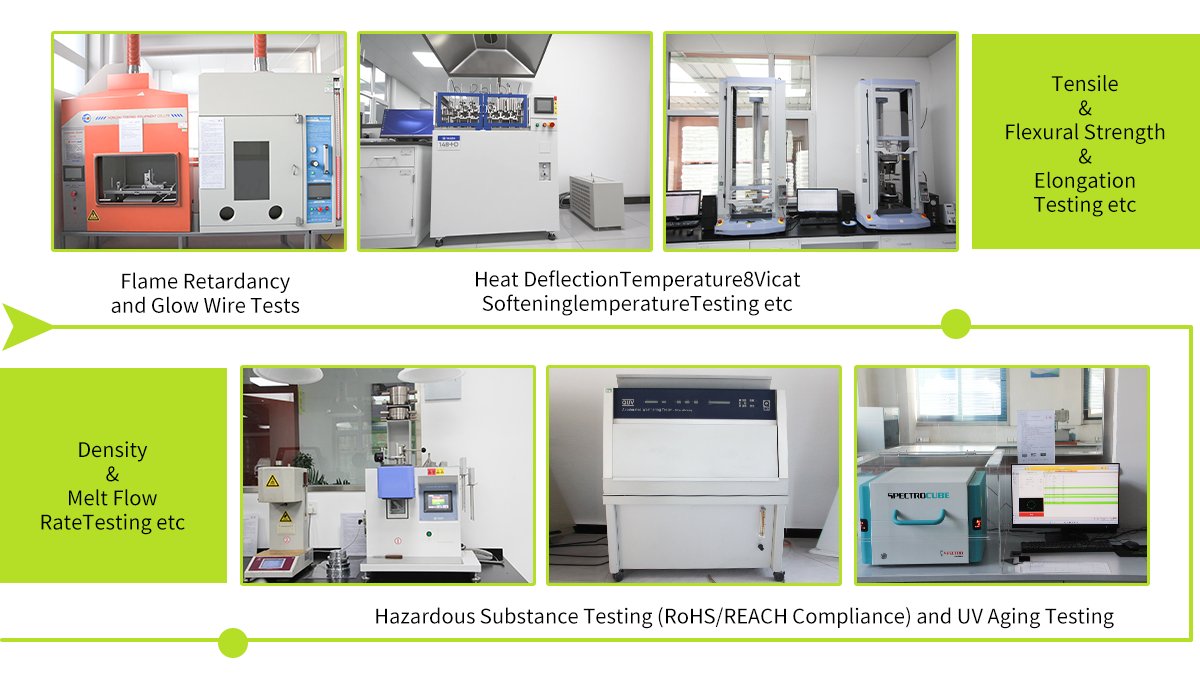
Qingdao Zhongxinhuamei Plastic Co., Ltd. is a leading modified plastic manufacturer with 30+ years of innovation. We specialize in developing high-performance flame retardant nylon that solves the candlewick effect and meets industry-specific needs.
Our Core Products & Services
Flame Retardant Nylon PA6/PA66: Customizable glass fiber content (10%-60%), UL94 V0 rating, and high LOI.
High-CTI Flame Retardant Nylon: CTI up to 600V, ideal for high-voltage electronic components.
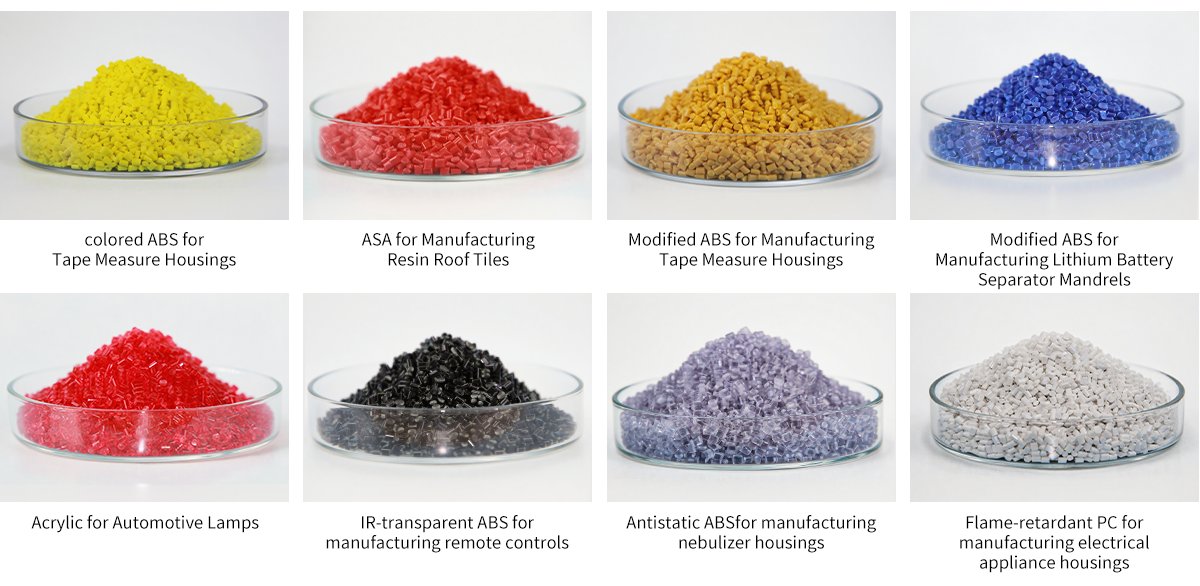
Comprehensive Modified Plastics: ABS, PS, PMMA, AS, PC, PC/ABS, PP, and automotive special materials (door panels, bumpers, engine covers).
We provide end-to-end solutions: from material customization and formula optimization to injection molding guidance, ensuring our flame retardant nylon solves flammability and candlewick effect issues for global customers.
Conclusion
Nylon’s poor flame retardancy and the candlewick effect in GF-reinforced nylon are critical barriers to its use in high-safety industries. Halogen-free flame retardant nylon, especially additive-type modified products, is the key to solving these challenges. Qingdao Zhongxinhuamei’s advanced flame retardant nylon solutions, combined with decades of R&D experience, offer reliable, eco-friendly, and high-performance options for home appliance, electronics, and automotive markets.