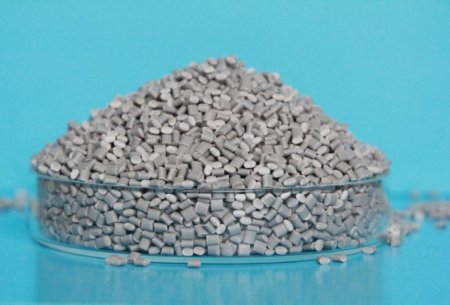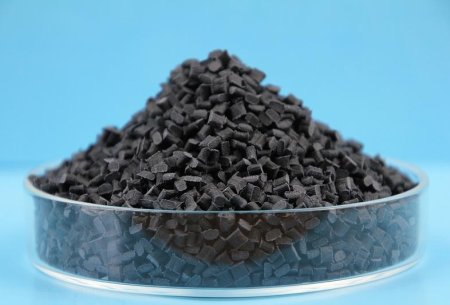

Modified nylon, a key category of engineering plastics, is produced by altering the physical properties of nylon resin to create customized plastic pellets. To meet diverse market demands, it can be modified into various types, including glass fiber reinforced nylon, toughened nylon, wear-resistant nylon, and halogen-free flame retardant nylon.
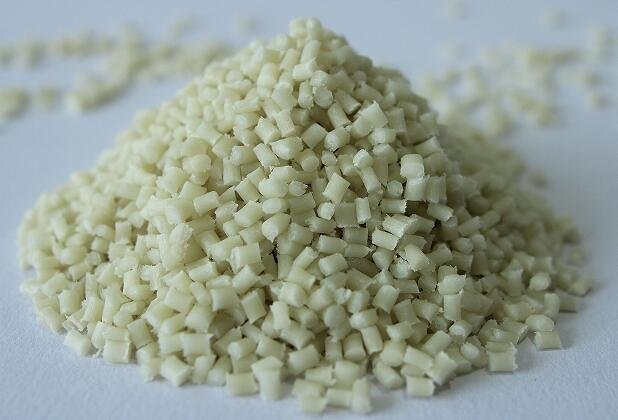
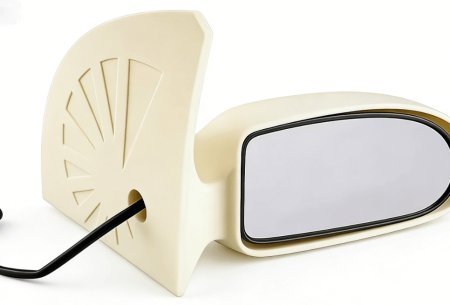
With excellent dimensional stability, high temperature resistance, wear resistance, and easy processability, modified nylon materials are widely used in automotive parts, electrical equipment, mechanical components, power tools, transportation equipment, and textile/paper machinery. Qingdao Zhongxinhuamei, a professional modified plastic manufacturer, supplies glass fiber reinforced nylon with glass fiber content ranging from 10% to 60%, ensuring comprehensive performance for different applications.
However, a common issue in modified nylon production is strength reduction in finished products. Based on years of R&D and production experience, we analyze the root causes and provide practical solutions from four key aspects: mold, raw materials, injection molding machine, and molding operation.
1. Mold-Related Causes & Solutions
Mold design and condition directly affect the molding quality and strength of modified nylon parts. Common issues include:
(1) Improper Gate Location
If the gate is set at a position subjected to bending stress, the local structure of the 塑件 at the gate will be damaged, leading to significant strength reduction.Solution: Change the gate location to avoid stress concentration areas.
(2) Too Low Mold Temperature
Low mold temperature causes rapid cooling of the melt, resulting in stress concentration and reduced strength.Solution: Increase the mold temperature appropriately and check the cooling system for rational design.
(3) Insufficient Draft Angle
Difficult demolding due to insufficient draft angle causes excessive local stress on the 塑件 during forced ejection, damaging the structure and reducing strength.Solution: Increase the draft angle of the mold cavity to ensure smooth demolding.
(4) Rough or Damaged Cavity Surface
A rough or scratched inner surface of the mold cavity leads to difficult demolding and local damage to the 塑件,causing strength decline.Solution: Grind and polish the cavity surface to improve smoothness.
(5) Unbalanced Ejection System
Unbalanced ejection causes uneven stress on the during demolding, leading to strength reduction.Solution: Reset and check the ejection system for balance.
2. Raw Material-Related Causes & Solutions
The quality of raw materials is the foundation of modified nylon strength. Issues include:
(1) Impurities in Raw Materials
Impurities mixed into the modified nylon resin reduce the 预定 strength of the product.Solution: Screen and remove impurities and waste during material preparation.
(2) Excessive Use of Regenerated Material
Regenerated materials have lower strength due to repeated processing, affecting the final product's performance.Solution: Reduce the dosage of regenerated material; use new material as the main raw material.
(3) Excess Moisture in Raw Materials
Excess moisture in the resin that cannot be discharged forms bubbles in the melt, weakening the 塑件 strength.Solution: Perform pre-drying treatment on modified nylon materials to reduce moisture content.
(4) Mixed Resin Grades or Types
Mixing different types or grades of nylon resin leads to inconsistent performance, making it difficult to meet strength requirements.Solution: Use a single type and grade of raw material for production to ensure consistency.
3. Injection Molding Machine-Related Causes & Solutions
Machine performance affects the uniform plasticization of the modified nylon melt:
(1) Low Plasticization Capacity
If the injection molding machine has low plasticization ability, the melt cannot be uniformly plasticized, resulting in reduced strength.Solution: Check the machine's plasticization capacity; replace with a high-capacity injection molding machine if necessary.
(2) Worn Screw or Barrel
Worn injection screw and barrel increase the gap, leading to uneven plasticization of the raw material.Solution: Overhaul the screw and barrel; replace them if wear is severe.
4. Molding Operation-Related Causes & Solutions
Incorrect process parameters during injection molding are major causes of strength reduction:
(1) Excessively High Barrel Temperature
High barrel temperature causes melt degradation or decomposition, altering melt properties and reducing strength.Solution: Lower the barrel temperature to a reasonable range within the material's processing limits.
(2) Too Low Mold Temperature
Low mold temperature impairs the molding performance of the 塑件,leading to strength decline.Solution: Increase the mold temperature to improve melt flow and reduce internal stress.
(3) Too Low Injection Pressure
Insufficient injection pressure results in poor melt filling, affecting the 塑件 density and strength.Solution: Appropriately increase the injection pressure to ensure full filling of the mold cavity.
(4) Too Low Holding Pressure
Low holding pressure leads to insufficient compactness of the melt, reducing the product's strength.Solution: Increase the holding pressure to ensure proper compaction of the melt during the cooling stage.
(5) Poor Melt Fluidity
Poor fluidity causes poor fusion during filling, leading to strength reduction.Solution: Improve melt fluidity by increasing the barrel temperature, adding an appropriate amount of lubricant, or optimizing the mold structure.
Professional Modified Nylon Solutions from Qingdao Zhongxinhuamei
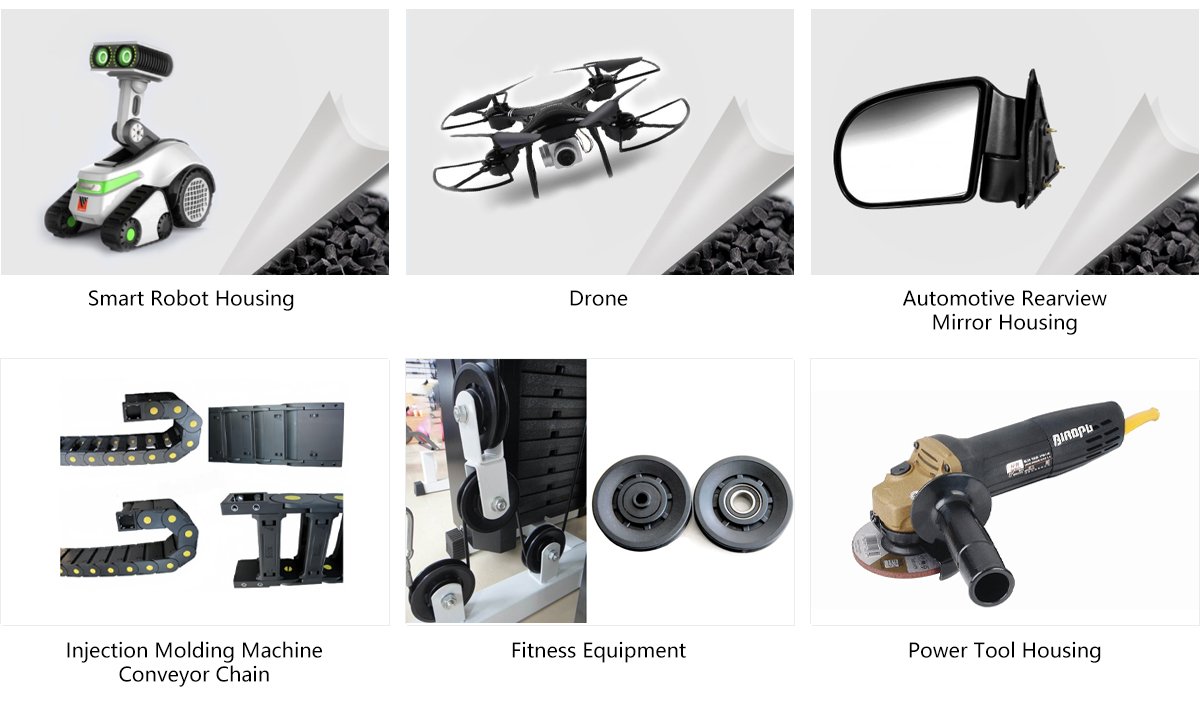
Qingdao Zhongxinhuamei is dedicated to providing high-quality modified nylon materials and professional technical support to help customers reduce strength reduction and improve production efficiency. Our products:
Adopt high-quality nylon resin and advanced twin-screw extruder technology, ensuring uniform dispersion of modifiers (e.g., glass fiber, toughening agents) in the matrix.
Support customized formulations to meet specific requirements of glass fiber content (10%-60%), toughness, and flame retardancy.
Come with detailed injection molding process guidance, helping customers optimize parameters and avoid common defects.
Whether you need glass fiber reinforced nylon for automotive components, wear-resistant nylon for mechanical parts, or halogen-free flame retardant nylon for electrical equipment, Qingdao Zhongxinhuamei can provide tailored solutions to ensure stable product strength and performance.
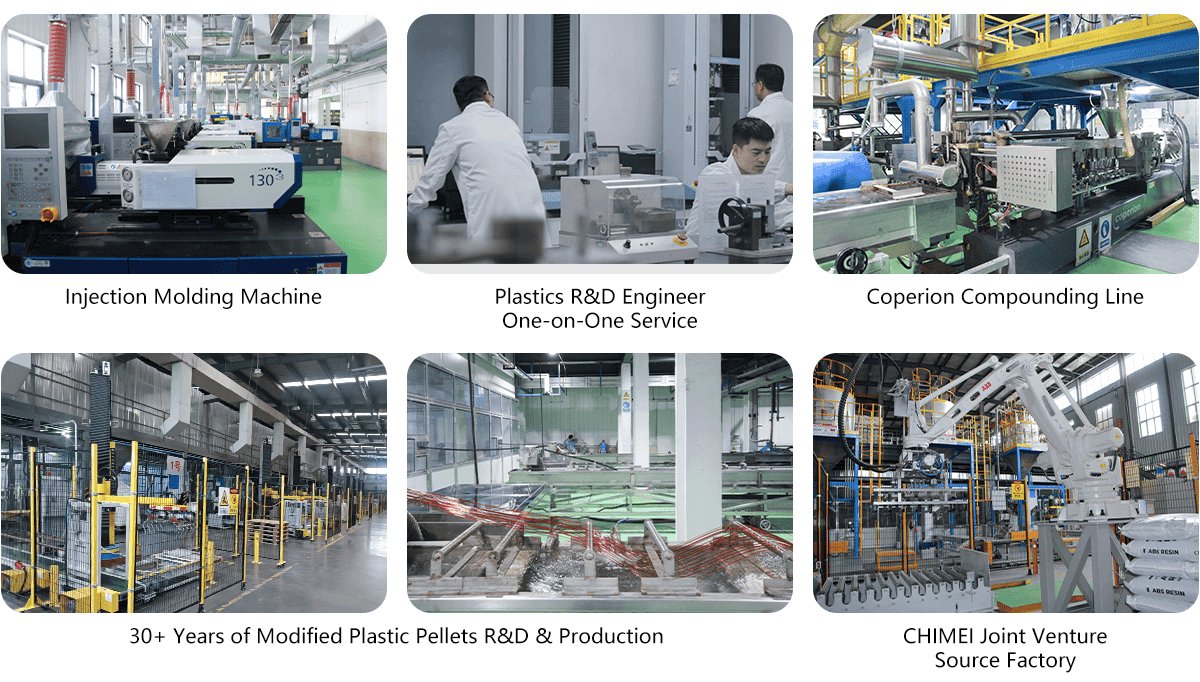
In summary, strength reduction in modified nylon is caused by multiple factors related to mold, raw materials, equipment, and process parameters. By identifying the root causes and implementing targeted solutions, manufacturers can significantly improve product quality. Qingdao Zhongxinhuamei remains committed to supplying high-performance modified nylon materials and professional technical services, supporting the sustainable development of customers in various industries.