

Innovation in Safety: Navigating the Future of Flame Retardant Plastic Granules
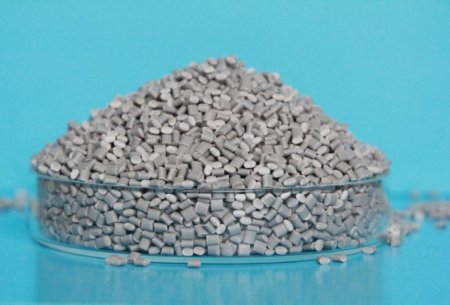
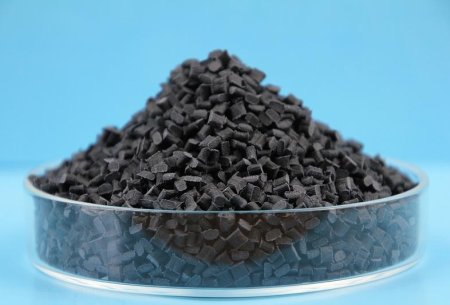
For modern injection molding plants, the demand for safety and environmental compliance is at an all-time high. Whether you are manufacturing automotive connectors, household appliance housings, or industrial electronics, the quality of your raw materials determines your market competitiveness. Specifically, flame retardant plastic granules have evolved from simple chemical mixtures into highly engineered materials designed to save lives and protect property.
As a leading flame retardant plastic granules source factory, we have observed a significant shift in the industry. It is no longer enough to just "stop a fire." Manufacturers now require materials that maintain mechanical strength, reduce toxic smoke, and resist environmental degradation. To achieve this, the industry has embraced several groundbreaking modification technologies.
1. Microencapsulation: Protecting the Flame Retardant Efficiency
One of the most significant hurdles in plastic modification is the "migration" of additives. Traditional flame retardants can sometimes bleed to the surface of a molded part, affecting its appearance and performance. Microencapsulation technology solves this by grinding flame retardants into micro-particles and "wrapping" them in organic or inorganic shells.
For an injection molding shop, using flame retardant plastic granules treated with microencapsulation offers several benefits:
Improved Thermal Stability: The protective shell prevents the flame retardant from decomposing prematurely during the high-heat injection process.
Enhanced Compatibility: It allows for the combination of ingredients that might otherwise react negatively with each other.
Reduced Migration: The active ingredients stay locked within the polymer matrix, ensuring long-term fire safety.
2. Ultra-Fine and Nanotechnology: Strength Meets Safety
Historically, adding inorganic flame retardants like Aluminum Hydroxide (ATH) meant sacrificing the toughness of the plastic. Because high loading levels were required for fire safety, the resulting parts became brittle. However, ultra-fine and nano-scale technologies have changed the game.
By reducing the particle size of ATH to the nanometer level, the surface area increases exponentially. This allows the flame retardant to react more efficiently with the polymer. Instead of weakening the part, these nano-particles act as reinforcing agents. As a professional flame retardant plastic granules source factory, we utilize these nano-fillers to create materials that are both fire-resistant and physically robust, allowing you to produce thinner, lighter parts without risking structural failure.
3. Macromolecular Technology: The End of Small Molecule Limitations
Brominated flame retardants are famous for their efficiency but criticized for their impact on UV stability and the release of corrosive gases. The industry is now moving toward macromolecular (high molecular weight) technology.
By increasing the molecular weight of the flame retardant, we can significantly improve:
UV Stability: The material is less likely to yellow or degrade when exposed to sunlight.
Low Volatility: High molecular weight means the chemicals won't evaporate during processing or over the product's lifespan.
Environmental Safety: Larger molecules are less likely to be bio-accumulative, making them a preferred choice for eco-conscious brands.
Whether it is macromolecular bromine or polymerized organic phosphorus, these advanced flame retardant plastic granules ensure that your products meet the strictest global environmental standards while maintaining peak performance.
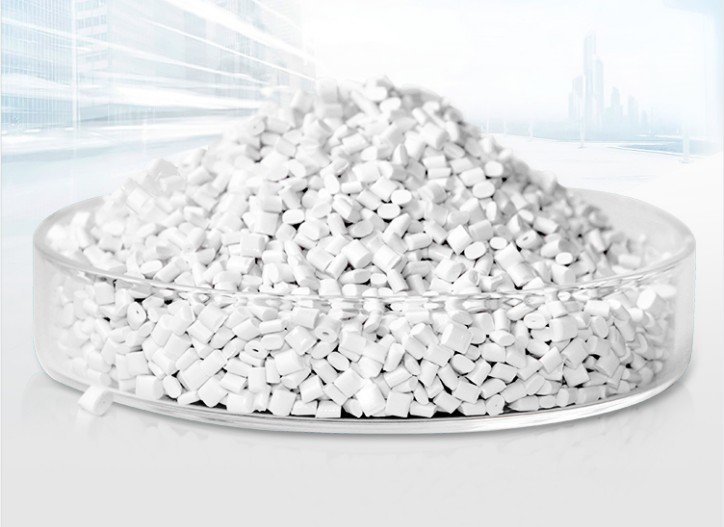
flame retardant plastic granules
4. Smoke Suppression: The New Priority in Fire Safety
In many fire scenarios, smoke and toxic fumes are more dangerous than the flames themselves. For industries like high-speed rail, aerospace, and public infrastructure, smoke suppression is a mandatory requirement.
Contemporary modification focuses on "non-halogenated" pathways to reduce smoke density. By incorporating specialized smoke suppressants, a flame retardant plastic granules source factory can produce materials that carbonize quickly upon contact with heat. This "char layer" acts as a barrier, preventing oxygen from reaching the plastic and stopping the release of suffocating smoke.
Industry Analysis: Choosing the Right Solution for Your Shop
Depending on your industry, the "working conditions" of your molded parts vary. Here is how to match the technology to your application:
Electrical & Electronics (E&E)
The Condition: High heat, small parts, and complex geometries.
The Solution: You need high-flow flame retardant plastic granules with macromolecular phosphorus. This ensures the material fills thin-walled molds perfectly while providing V-0 protection without the risk of "blooming" or surface residue.
Automotive & Transportation
The Condition: Vibration, mechanical stress, and fluctuating temperatures.
The Solution: Ultra-fine inorganic reinforced granules. These provide the necessary stiffness for under-the-hood components while ensuring that the parts do not contribute to smoke in the event of an engine fire.
Household Appliances
The Condition: Daily use, aesthetic requirements, and cost-sensitivity.
The Solution: Microencapsulated flame retardant PP or ABS. This provides a balance of cost-efficiency and high-quality surface finish, ensuring the appliance looks premium while remaining safe for the consumer.
Partnering with a Reliable Flame Retardant Plastic Granules Source Factory
For an injection molding plant, your choice of supplier is your first line of defense. A professional flame retardant plastic granules source factory does not just sell "bags of plastic"; they provide a technical partnership.
At Zhongxinhuamei, we have spent years perfecting these four core technologies—microencapsulation, ultra-fine processing, macromolecular engineering, and smoke suppression. Our goal is to ensure that every batch of flame retardant plastic granules you receive is consistent, easy to process, and fully certified to meet UL94, RoHS, and REACH standards.

Conclusion: Future-Proof Your Production
The world of modified plastics is moving toward smarter, cleaner, and more efficient solutions. By adopting advanced flame retardant plastic granules, you aren't just meeting a regulation—you are building a brand known for safety and quality. When you work with a dedicated flame retardant plastic granules source factory, you gain access to the latest material science, from nanotechnology to smoke-suppressing polymers.
Investing in high-grade flame retardant plastic granules today ensures that your injection molding business remains at the forefront of the global manufacturing landscape.