

Why PPS+30gf is Replacing Metal in Modern Automotive Injection Molding?
In the competitive landscape of automotive manufacturing, procurement managers are increasingly turning to high-performance polymers to meet stringent safety and weight-reduction goals. Among these materials, PPS+30gf has emerged as a definitive leader. This 30% glass fiber reinforced polyphenylene sulfide offers a unique combination of thermal stability and mechanical strength, making it indispensable for under-the-hood applications where traditional plastics fail.
The Challenges of Modern Automotive Environments
Automotive injection molding plants today face three primary challenges: extreme heat, aggressive chemical exposure, and the need for dimensional precision. Components like coolant pumps, thermostat housings, and EV battery connectors operate in environments where temperatures often exceed 200°C. Standard engineering plastics often warp or degrade under these conditions.
Furthermore, the shift toward electric vehicles (EVs) requires materials that provide excellent electrical insulation while remaining flame retardant. Using 30% Glass Fiber GF30 PPS Resin FR V0 ensures that parts not only withstand physical stress but also meet the highest fire safety standards (UL94-V0) without the need for additional flame-retardant additives.
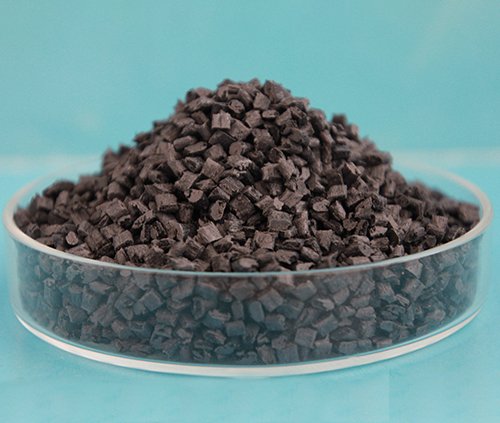
(30% Glass Fiber GF30 PPS Resin FR V0)
Why PPS+30gf is the Optimal Engineering Solution
The transition to PPS+30gf provides a robust solution for procurement teams looking to balance cost and performance. By reinforcing the PPS base resin with 30% glass fiber, the material achieves a high heat deflection temperature (HDT) of over 260°C. This allows it to replace heavy aluminum die-castings, reducing vehicle weight and improving fuel or battery efficiency.
Key technical advantages of 30% Glass Fiber GF30 PPS Resin FR V0 include:
Chemical Immunity: It remains insoluble in all known solvents below 200°C, resisting road salts, engine oils, and cooling fluids.
Dimensional Stability: With extremely low moisture absorption (0.03%), parts molded with this resin maintain their shape even in high-humidity environments.
Processing Efficiency: For injection molders, the high flow rate of this compound allows for the creation of complex, thin-walled geometries with minimal cycling time.、
Solving Industry Pain Points: From Cooling to High-Voltage
For injection molding facilities, the primary "pain point" is often the failure of components during long-term aging tests. Transitioning your production line to PPS+30gf mitigates this risk. In cooling systems, for instance, the material prevents hydrolysis—a common failure mode in standard Polyamides (Nylon).
In the realm of power electronics, the 30% Glass Fiber GF30 PPS Resin FR V0 grade is the industry benchmark for high-voltage connectors and busbar insulation. It provides the necessary CTI (Comparative Tracking Index) values to prevent electrical tracking, ensuring the long-term reliability of the EV powertrain.
Conclusion: Elevate Your Production Quality
Choosing the right material is more than a procurement decision; it is a commitment to vehicle safety and longevity. By integrating PPS+30gf into your supply chain, you ensure that your injection molding plant delivers parts that thrive under pressure. Whether you are dealing with the intense heat of a combustion engine or the high-voltage demands of an EV battery pack, 30% Glass Fiber GF30 PPS Resin FR V0 provides the stability and performance your clients demand.
Would you like me to generate a technical data comparison sheet between PPS+30gf and PPA GF30 for your procurement records?