
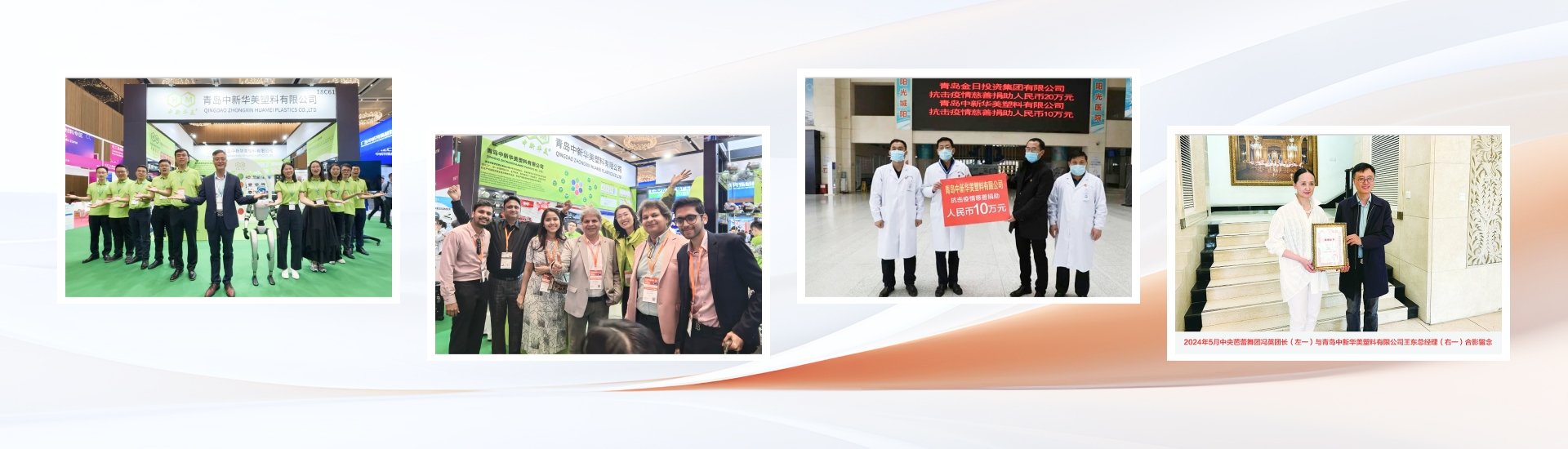
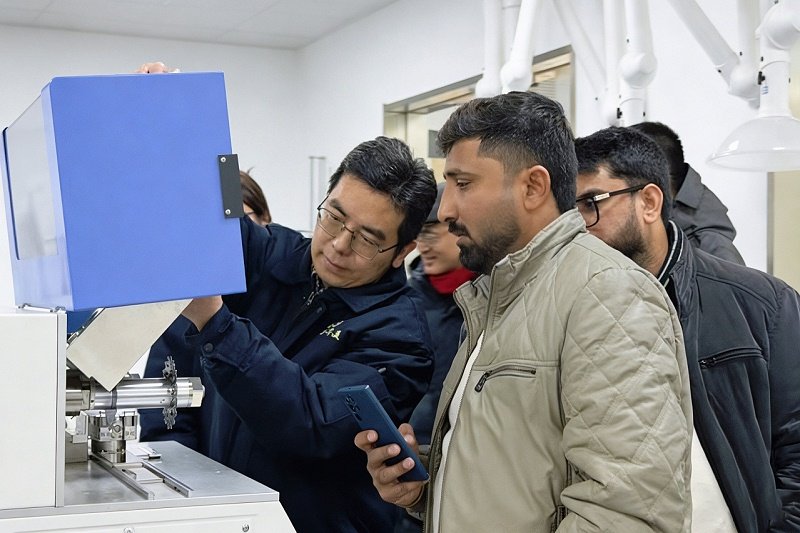
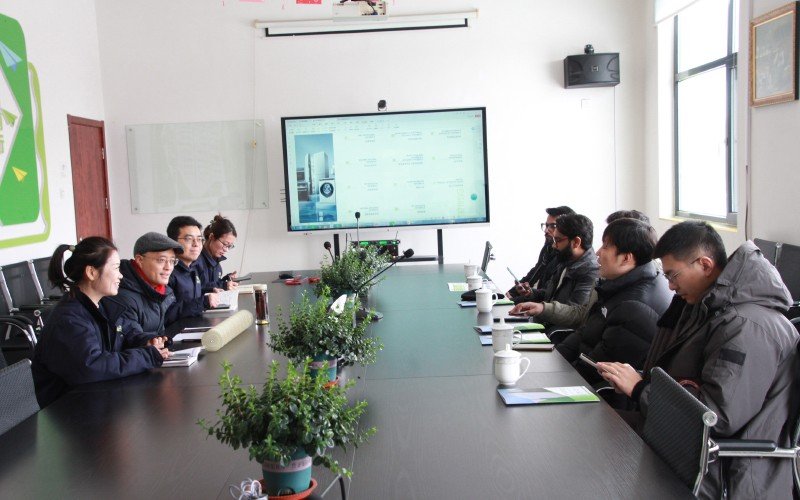
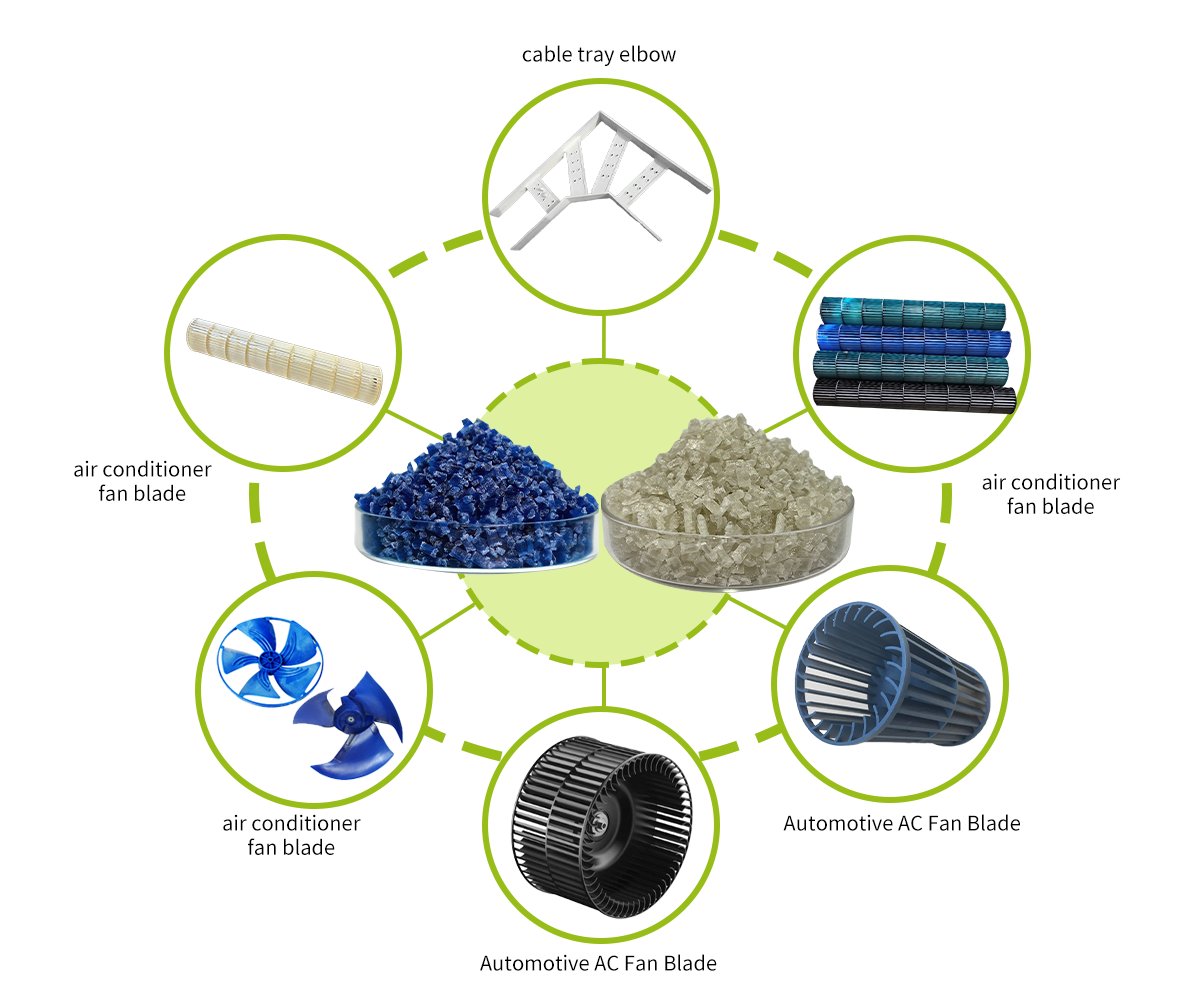
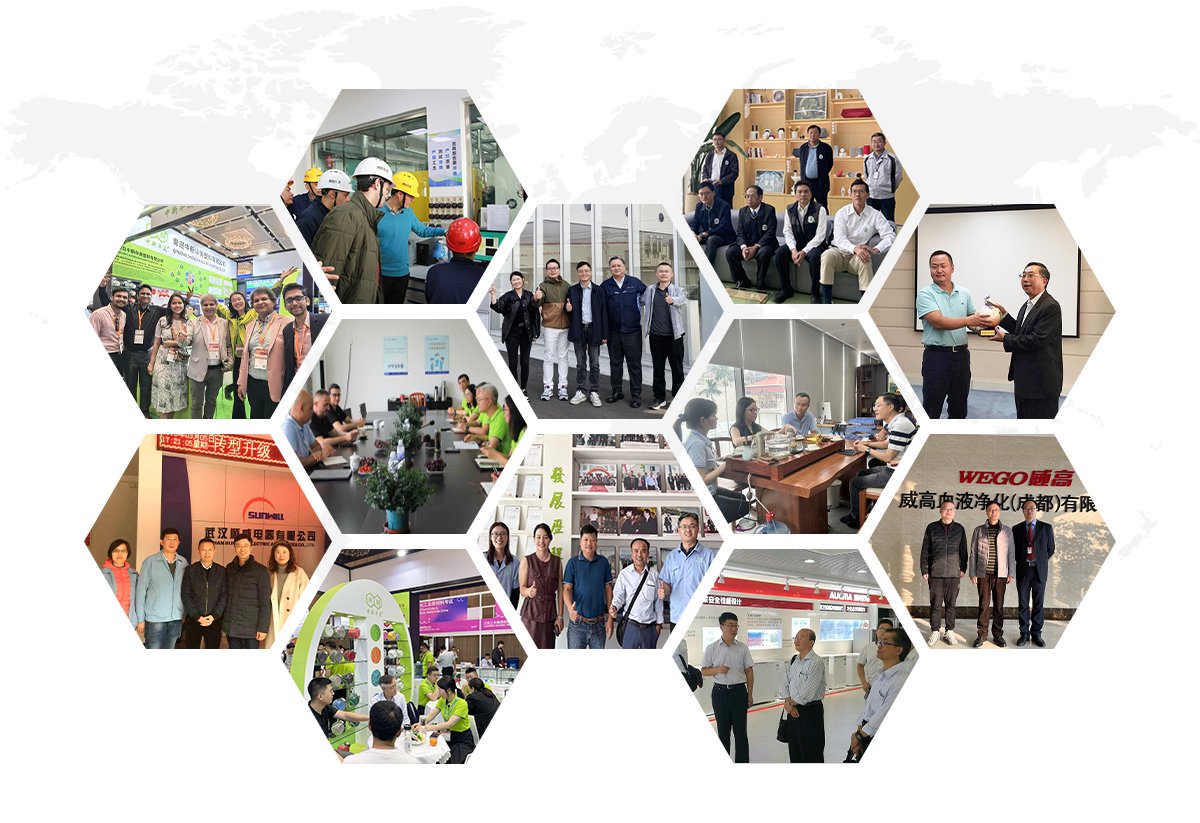
In the cold winter months, a modified plastics factory in Qingdao welcomed valued customers from Pakistan. These clients, who specialize in injection molding air conditioner fan blades in Pakistan, have maintained a long-standing partnership with Qingdao Zhongxin Huamei Plastic Co., Ltd. for 6 consecutive years, sourcing 20% Glass Fiber Reinforced AS annually for their air conditioner fan blade production. Notably, the clients initially found our company by searching for “ABS 20% GF Granules”, and 20% Glass Fiber Reinforced AS soon became their preferred material for high-quality fan blade manufacturing.
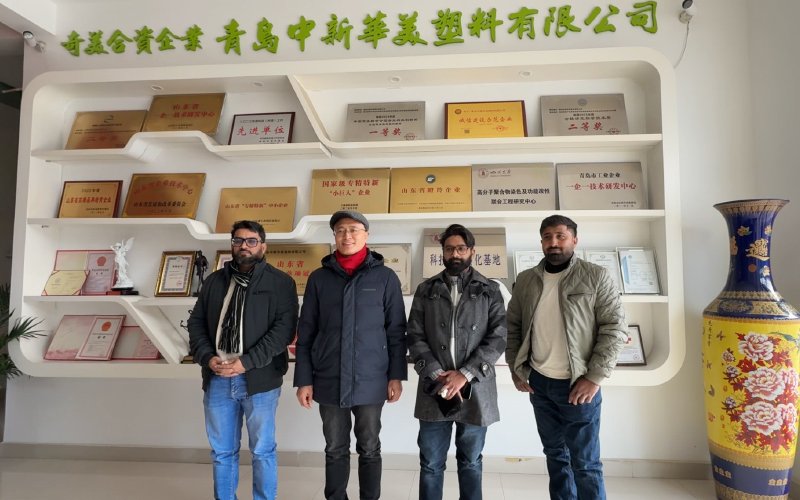
20% Glass Fiber Reinforced AS Builds a Bridge for China-Pakistan Friendship
Inferior Modified Plastics: Core Pain Points in Air Conditioner Fan Blade Injection Molding
Air conditioner fan blades operate under long-term high-frequency rotation and are exposed to constant temperature and humidity fluctuations. Inferior injection molding materials directly trigger a host of issues across both production and application phases, which can be clearly categorized into processing-stage pain points and application-stage pain points:
Processing-Stage Pain Points
Difficult Mold Filling & High Scrap Rate
The melt flow index (MFI) of inferior modified plastics tends to fluctuate drastically. An excessively low MFI will hinder the melt from fully filling the complex thin-walled cavities of fan blades, leading to defects such as short shots, weld lines and air traps. Conversely, an overly high MFI can cause melt overflow at the mold parting surface, forming flash that requires secondary trimming and thus driving up production costs. 20% Glass Fiber Reinforced AS, with its precisely controlled MFI, effectively avoids such processing troubles that plague inferior materials.
Poor Dimensional Stability & High Deformation Rate
Due to imprecise formula control, low-quality materials exhibit highly unstable shrinkage rates during the cooling and setting process. As a result, fan blades are prone to warping, bending and uneven wall thickness after demolding. This not only causes dimensional deviations during assembly, affecting the fitting precision with motor shafts, but also results in direct scrapping of fan blades in severe cases. In contrast, 20% Glass Fiber Reinforced AS boasts optimized shrinkage performance, ensuring consistent dimensional stability for molded fan blades.
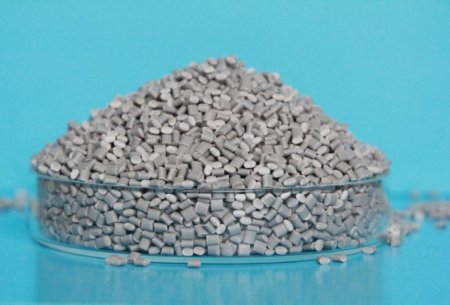
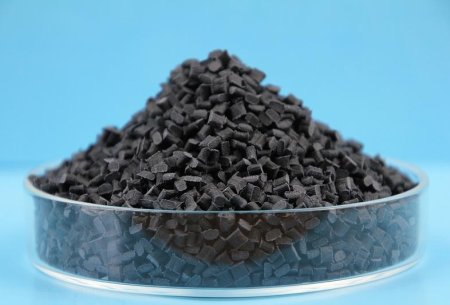
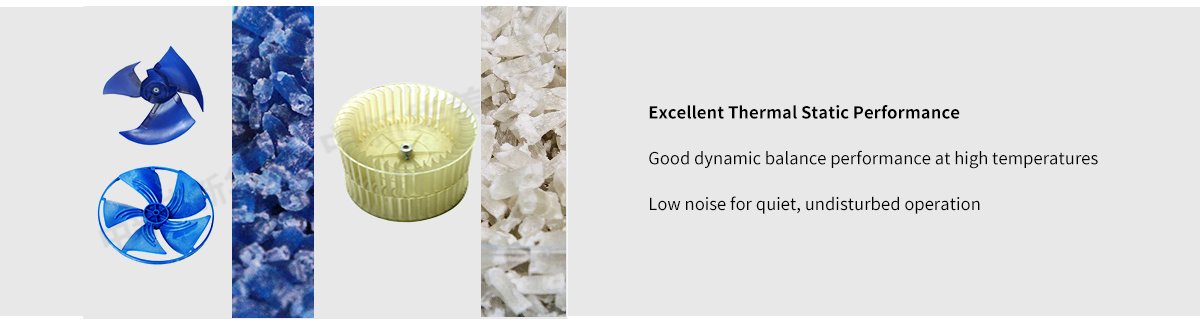 20% Glass Fiber Reinforced AS
Susceptible to Thermal Degradation & Black Spot Defects
Inferior raw materials may contain excessive impurities or lack sufficient thermal stability. During high-temperature injection molding, they undergo thermal degradation, leading to surface flaws like black spots, streaks and bubbles on fan blades. These defects not only ruin the appearance but also weaken the local structural strength of the blades. 20% Glass Fiber Reinforced AS is formulated with high-purity raw materials and advanced stabilizers, effectively preventing thermal degradation during processing.
Application-Stage Pain Points
Insufficient Mechanical Strength & Easy Fracture
Fan blades endure continuous centrifugal force during high-speed rotation. Inferior materials, lacking adequate rigidity and toughness, are highly likely to crack at the blade roots or hub joints. The fracture risk escalates significantly when the motor starts or stops abruptly, or when blades are impacted by foreign objects. 20% Glass Fiber Reinforced AS is engineered to deliver superior mechanical strength, capable of withstanding the intense centrifugal force of fan blade operation.
Poor Weather Resistance & Short Service Life
Outdoor air conditioner fan blades are exposed to outdoor elements such as sunlight, rain and temperature variations all year round. Inferior materials are usually not added with UV stabilizers and anti-aging modifiers. After a period of use, they will become brittle, yellowed and cracked due to aging, greatly shortening the service life of fan blades and increasing after-sales maintenance costs. 20% Glass Fiber Reinforced AS can be customized with anti-aging additives, extending the service life of outdoor fan blades by several years.
High Vibration & Excessive Noise
The uneven density distribution of inferior materials, combined with the rough surface after molding, leads to severe dynamic imbalance of fan blades during high-speed rotation. This further causes intense vibration and harsh noise, deteriorating the user experience of air conditioners. 20% Glass Fiber Reinforced AS features uniform filler dispersion and smooth surface finish, minimizing vibration and noise during fan blade operation.
Material Solutions: Resolving Fan Blade Injection Molding Pain Points with High-Quality Modified Plastics
To address the above pain points, selecting high-quality modified plastics and optimizing material formulas is the fundamental solution. The mainstream materials for air conditioner fan blades are glass fiber reinforced AS (acrylonitrile-styrene copolymer), glass fiber reinforced PP (polypropylene) or modified PC/ABS alloys. Among these, 20% Glass Fiber Reinforced AS stands out as the ideal choice for most air conditioner fan blade applications, with targeted solutions as follows:
Solving Processing-Stage Problems: Optimizing Material Flowability and Thermal Stability
Precisely Controlled Melt Flow Index (MFI)
Choose modified plastics with customized MFI for fan blade injection molding (under the test condition of 220℃/10kg, the MFI value is usually controlled at 5–15g/10min). For thin-walled fan blades, moderately increase the MFI to enhance mold filling performance; for thick-walled structural parts, appropriately reduce the MFI to avoid the risk of melt overflow. Joint-venture modified plastic manufacturers with advanced formula technology can customize 20% Glass Fiber Reinforced AS with exclusive MFI values according to customers' mold parameters.
Low-Shrinkage Formulation for Improved Dimensional Stability
Add mineral fillers such as talcum powder and calcium carbonate, or glass fibers to the material to reduce the shrinkage rate during plastic cooling. For example, 20% Glass Fiber Reinforced AS can reduce the shrinkage rate to below 0.5%, effectively preventing fan blade warping and deformation. Meanwhile, the material should have uniform crystallization performance to ensure consistent shrinkage in all directions of the fan blade.
Enhanced Thermal Stability to Prevent Thermal Degradation
Select high-purity raw materials and add high-efficiency heat stabilizers and antioxidants to the formula. This ensures that 20% Glass Fiber Reinforced AS does not undergo degradation or carbonization during high-temperature injection molding (the typical injection temperature for AS materials is 200–240℃), avoiding black spots, streaks and other defects on the fan blade surface.
Solving Application-Stage Problems: Strengthening Mechanical Properties and Environmental Resistance
Glass Fiber Reinforcement for Higher Mechanical Strength
20% Glass Fiber Reinforced AS is the key to improving the rigidity and impact resistance of fan blades. This modified material can increase the tensile strength to over 60MPa and the flexural strength to over 90MPa, which is sufficient to withstand the centrifugal force generated by high-speed rotation of fan blades (usually 1000–3000 rpm) without fracture. For outdoor fan blades, toughening agents such as EPDM (ethylene propylene diene monomer) can be added to 20% Glass Fiber Reinforced AS to further improve low-temperature impact resistance and prevent brittle fracture in low-temperature winter environments.
Anti-Aging Modification for Better Weather Resistance
Add UV absorbers, light stabilizers and antioxidants to the material formula. 20% Glass Fiber Reinforced AS treated with anti-aging processes can resist aging caused by outdoor sunlight and rain for more than 5 years, maintaining their original mechanical properties and appearance without yellowing or cracking.
Optimized Material Uniformity to Reduce Vibration and Noise
Select modified plastics with uniformly dispersed fillers and fibers to ensure consistent density of molded fan blades. Meanwhile, the material should have good surface smoothness after molding to reduce air friction noise during rotation. High-quality modified plastic manufacturers can achieve uniform dispersion of glass fibers in 20% Glass Fiber Reinforced AS through advanced mixing equipment such as twin-screw extruders, avoiding local density differences of fan blades caused by fiber agglomeration.
Why Should Pakistani Customers Choose Qingdao Zhongxin Huamei Plastic Co., Ltd. for Fan Blade Production?
For air conditioner fan blade manufacturers, cooperating with professional modified plastic suppliers—such as joint-venture enterprises with independent R&D capabilities, 30-year source factories with complete modified plastic production lines, and high-tech enterprises complying with national standards—can bring the following core advantages:
Customized Formula Development: We develop exclusive modified plastic formulas according to the specific requirements of fan blade size, rotation speed and application environment, including tailor-made 20% Glass Fiber Reinforced AS solutions, ensuring perfect matching between materials, injection molding processes and application scenarios.
Stable Material Quality: As a source factory with strict quality control systems, we guarantee the consistency of MFI, shrinkage rate, mechanical properties and other indicators of each batch of 20% Glass Fiber Reinforced AS and other modified materials, avoiding production instability caused by material fluctuations.
Full-Process Technical Support: We provide one-stop technical services such as modified plastic injection molding process parameter debugging, mold optimization suggestions and product performance testing for 20% Glass Fiber Reinforced AS applications, helping customers efficiently solve on-site production problems.
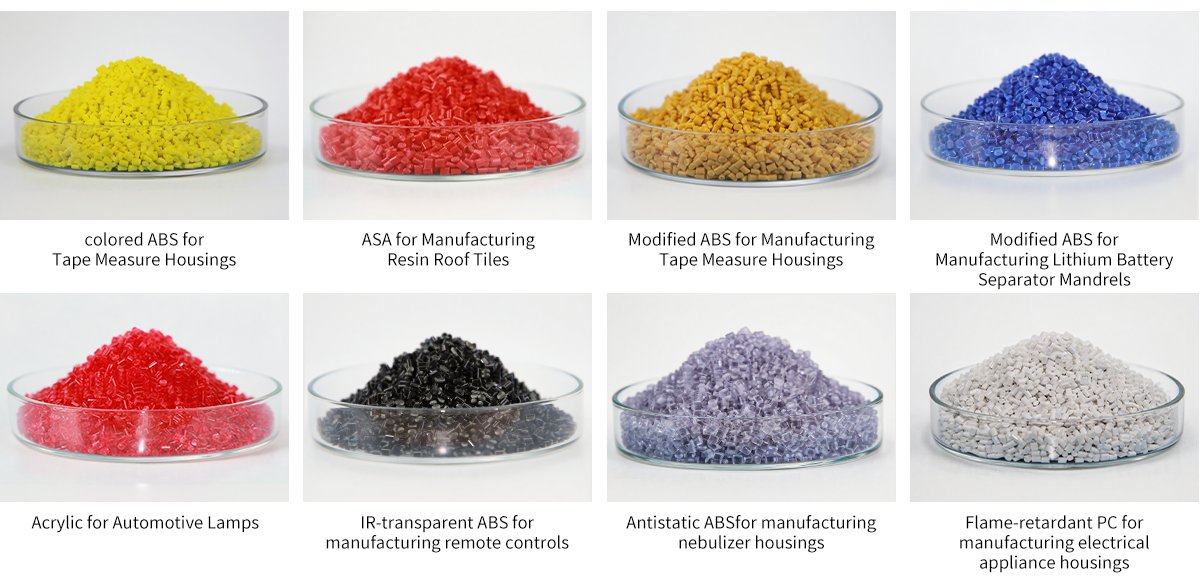
We are a 30-year joint-venture source factory with Chi Mei, specializing in modified plastics. Our product range includes flame-retardant, reinforced, filled, antibacterial, anti-aging, degradable, spray-free, infrared-transparent and light-diffusing plastic granules such as ABS, PP, PC/ABS, nylon, acrylic, PPS, AS, PS, PC, PBT, PA, ASA, PPO, PPA and PEEK. 20% Glass Fiber Reinforced AS is one of our star products, widely recognized by customers at home and abroad.
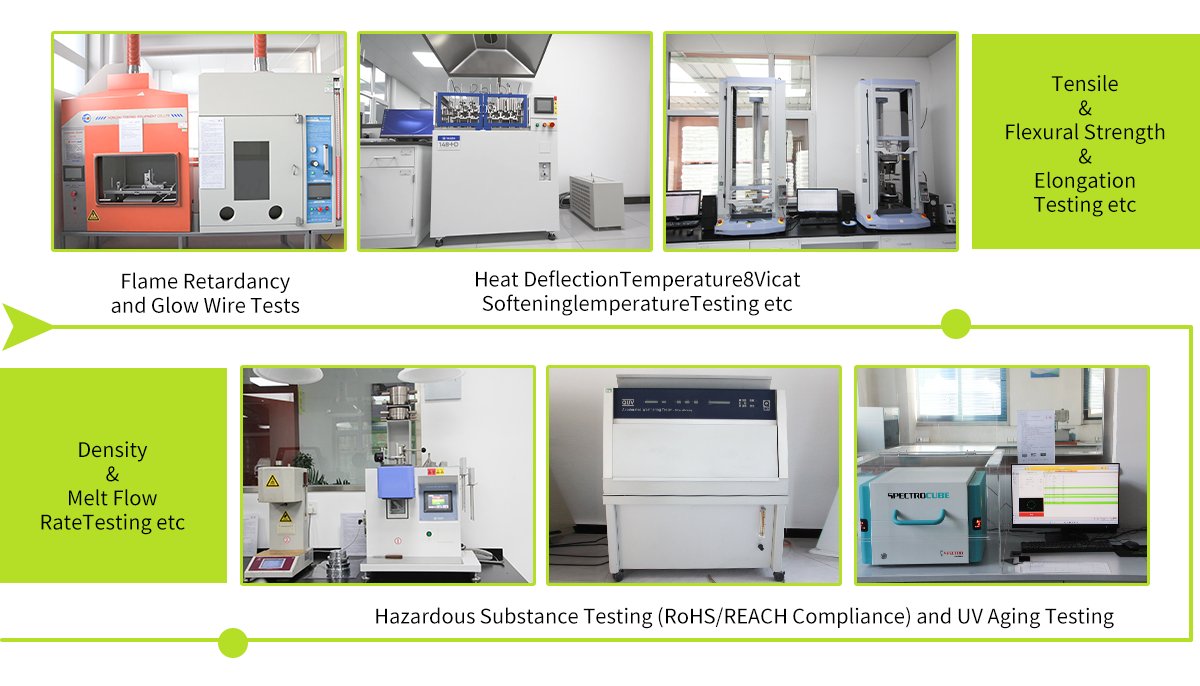
Qingdao Zhongxin Huamei Plastic Co., Ltd.'s plastic pellets hold authoritative certifications (UL, SGS, FDA), meet key EU standards (ROHS, REACH) for global market compliance, and boast 4 national invention patents plus 11 utility model patents—proving our strong R&D capabilities. Our 20% Glass Fiber Reinforced AS has passed rigorous performance tests, meeting the highest quality standards for air conditioner fan blade materials.
If you encounter any problems during the injection molding process of 20% Glass Fiber Reinforced ASor other modified materials, our professional R&D engineers are ready to provide technical support. Welcome to contact us!