
Polymethylmethacrylate - Acrylic - PMMA High Impact: Breaking the Strength-Toughness Trilemma
For decades, the acrylic manufacturing industry has faced a fundamental trade-off. We value Polymethylmethacrylate (PMMA) for its 92% light transmittance, yet we struggle with its inherent brittleness. Standard acrylic is often a "glass heart"—beautiful but prone to shattering.
Today, a technological revolution in Polymethylmethacrylate - Acrylic - PMMA High Impact formulations is changing the game. By integrating advanced core-shell structures and nanotechnology, a professional Polymethylmethacrylate Acrylic PMMA High Impact factory can now produce materials that are nearly indestructible without losing optical clarity.
Why Standard PMMA Requires Toughening
The brittleness of standard PMMA stems from its molecular structure. The bulky α-methyl groups create significant steric hindrance, "locking" the polymer chains in place. When struck, the material cannot slide or flex to absorb energy, leading to sudden, catastrophic failure.
For an industrial Polymethylmethacrylate Acrylic PMMA High Impact factory, this brittleness results in:
Cracking during high-speed CNC machining.
Low Durability in high-traffic or outdoor environments.
Processing Difficulties due to high melt viscosity in complex molds.
The Science of Transparent High Impact
The challenge is adding impact modifiers without turning the clear plastic milky. The secret lies in Refractive Index (RI) Matching. The RI of the toughening phase must perfectly match the PMMA matrix (approx. 1.49) at a nanometer scale. This allows light to pass through without scattering.
Modern Polymethylmethacrylate - Acrylic - PMMA High Impact uses "soft core, hard shell" particles. These nano-particles act as an internal "cushioning system," triggering energy-dissipation mechanisms like crazing and shear banding to prevent cracks from spreading.
Industry Solutions and Applications
1. Automotive & High-Speed Transit
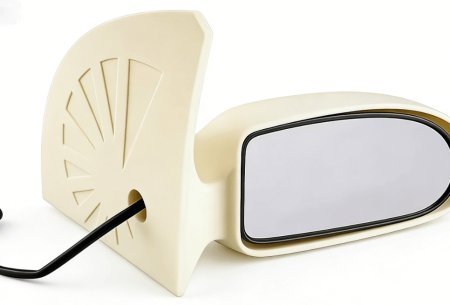
High-speed rail windows and automotive light covers face extreme kinetic energy. Utilizing materials from a specialized Polymethylmethacrylate Acrylic PMMA High Impact factory allows for 50% better resistance to "bird strikes" and flying gravel compared to tempered glass, while reducing vehicle weight by 40%.
2. Consumer Electronics
AR/VR lenses and camera protectors must survive drop tests. Copolymized Polymethylmethacrylate - Acrylic - PMMA High Impact introduces flexible segments into the main chain, increasing drop-test survival rates by 2x without sacrificing the surface hardness required for scratch resistance.
3. Construction & Signage
Outdoor installations often crack due to thermal expansion or hail. Topological toughening via Interpenetrating Polymer Networks (IPN) ensures that architectural sheets remain clear and intact for over 10 years, even in harsh climates.
Overcoming the Processing Trilemma
Traditional toughening often makes PMMA harder to process by increasing viscosity. However, leading-edge Polymethylmethacrylate Acrylic PMMA High Impact factory techniques now utilize flexible nanoparticles that act as internal lubricants. This reduces melt viscosity, allowing for faster cycle times and the production of thinner, stronger parts.
Conclusion: Partnering for Performance
The shift from "fragile" to "resilient" is essential for modern manufacturing. Choosing the right Polymethylmethacrylate - Acrylic - PMMA High Impact resin ensures your products meet the rigorous demands.