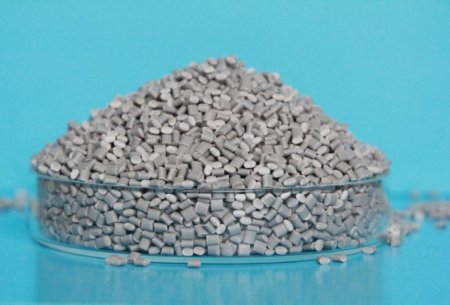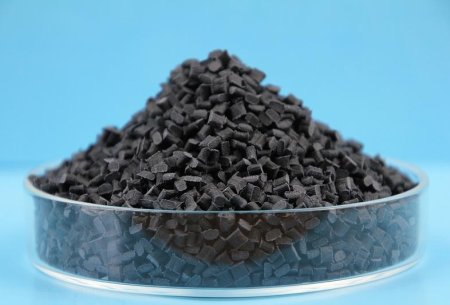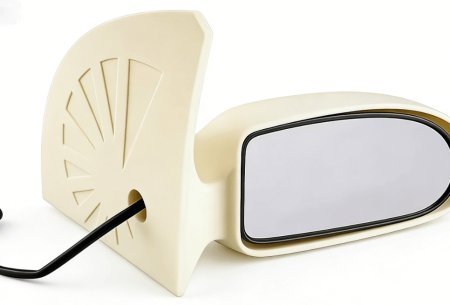


Core Application Value Of Flame Retardants In Modern Plastic IndustryFlame retardants are essential chemical additives added into polymer materials to restrain fire spreading and stop combustion behavior. At present, flame retardant modified plasticsare widely applied in electrical and electronic products, wires and cables, building materials and household appliances, becoming core safety materials supporting industrial production and daily life safety.
High thermal stability is the basic requirement for fireproof plastic raw materials, which can effectively reduce the possibility of polymer decomposing into flammable gas under high temperature environment. But most high-temperature resistant original polymers face obvious drawbacks such as high production cost and poor molding fluidity, which cannot meet large-scale industrial production demands. Therefore, adding professional flame retardants to common engineering plastics has become the most mainstream and cost-effective fire safety upgrading solution.
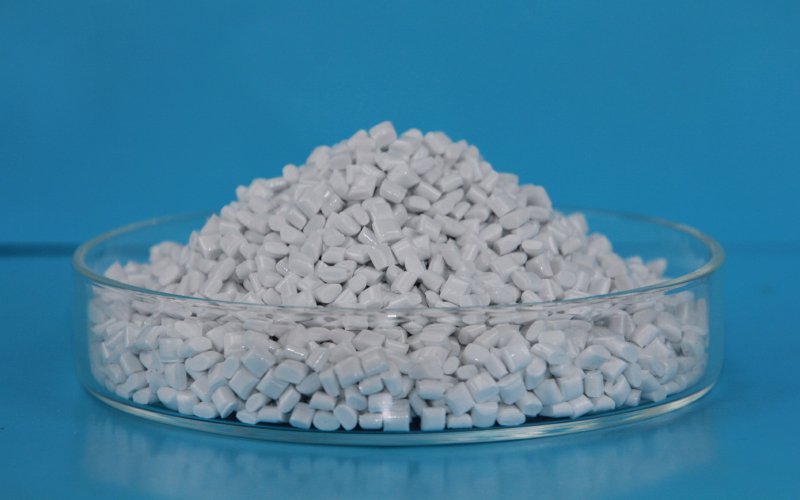
There are more than 2500 kinds of flame retardant products with different formulas and specifications on the global market. Facing numerous product categories, many plastic compounding manufacturers and injection molding factories feel confused in matching flame retardant systems. This article systematically sorts out the working principles, mainstream classifications and practical selection standards of flame retardants, helping you quickly select the most matching flame retardant solution for different plastic substrates and actual working conditions.
Practical Significance And Core Functions Of Plastic Flame RetardantsMost synthetic polymers belong to organic materials, which are easy to decompose and release flammable gas once heated, greatly increasing fire occurrence probability and fire hazard degree. With increasingly strict global safety production regulations, ordinary flammable plastics can no longer be used in high-risk fields, so flame retardant modification has become a necessary production process.
After adding qualified flame retardants into plastics, the materials can realize multiple core safety functions:First of all, it can effectively slow down polymer combustion and thermal decomposition speed, achieve rapid self-extinguishing away from fire source and block flame continuous spread. Secondly, high-quality flame retardant formulas can greatly reduce smoke emission during combustion, avoid dense smoke blocking escape passages and win more escape time for personnel. In addition, it can restrain molten material dripping phenomenon during burning, preventing secondary fire accidents caused by high-temperature molten drops.
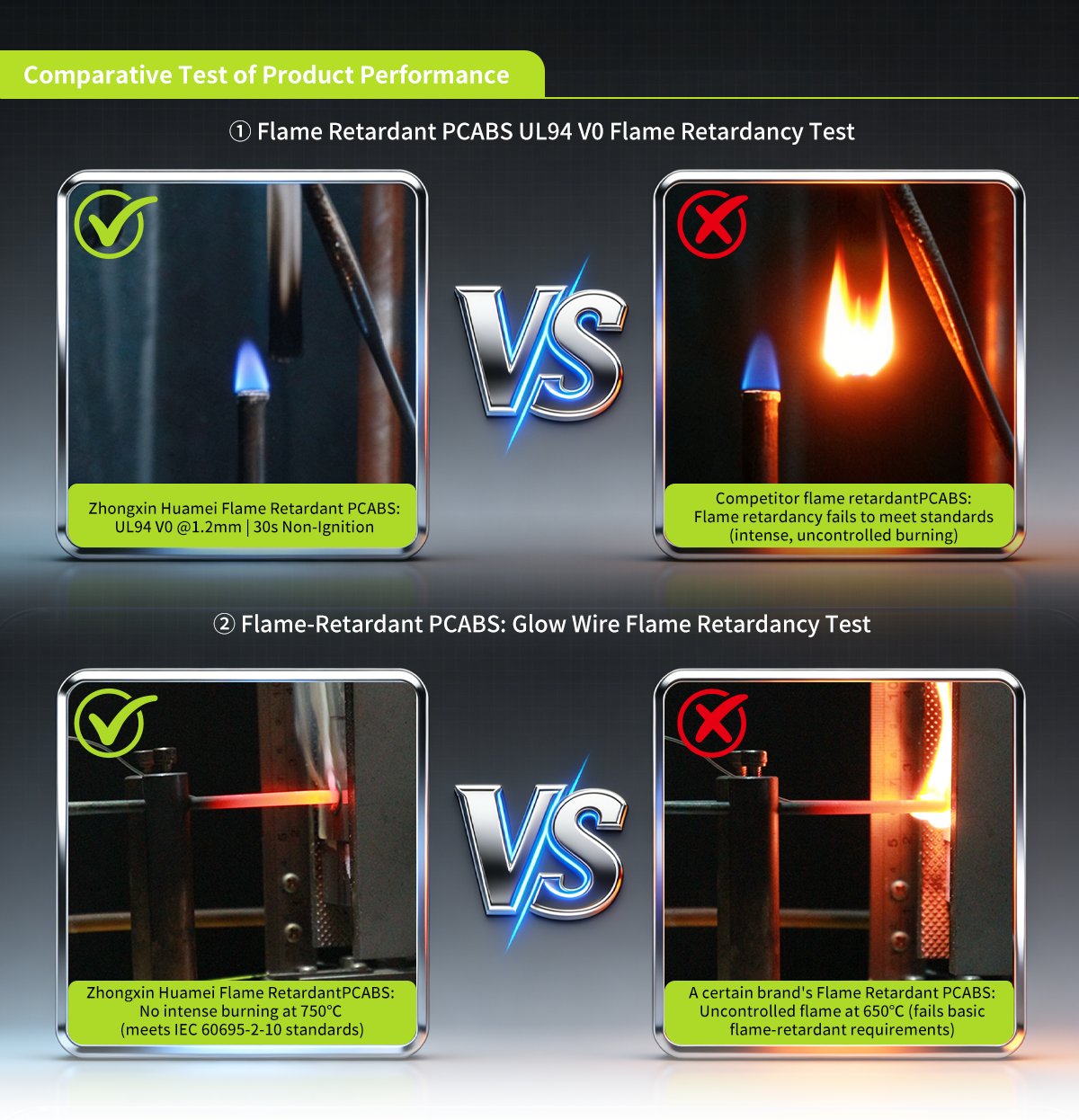
From fire safety protection perspective, flame retardant modified plasticscan effectively protect building structure integrity, maintain normal operation of public facilities and create safe refuge space. Meanwhile, standardized flame retardant materials can provide accurate fire location identification and stable emergency communication conditions, providing strong support for fire rescue work.
It is necessary to clearly distinguish the difference between flame retardant and fire resistant materials. Flame retardant materials mainly delay flame spread at the early stage of fire and focus on reducing fire combustion contribution; while fire resistant materials focus on maintaining structural integrity, heat insulation and load-bearing capacity in the whole fire process, and the two apply to completely different safety test standards and usage scenarios.
Complete Working Mechanism Analysis Of Plastic Flame RetardantsFire combustion is formed by the joint action of heat, fuel and oxygen three core elements. The core principle of all flame retardants is to destroy the stable combustion cycle by interfering with any link of heating, decomposition, ignition and flame spreading. Flame retardants mainly play a role through chemical reaction and physical barrier two major mechanisms.
Chemical Reaction Flame Retardant MechanismCondensed phase reaction is one of the most common chemical fireproof ways. Some flame retardants can accelerate polymer surface dehydration and carbonization under high temperature, forming dense stable carbon layer on plastic surface. This carbonized layer can isolate external high temperature heat source and lock internal flammable gas, fundamentally cutting off internal and external combustion conditions. Intumescent flame retardant is a typical representative of this mechanism, which is composed of acid source catalyst, carbon forming agent and foaming agent, and can form thick expansion heat insulation layer in fire environment.
Gas phase reaction mainly relies on flame retardant decomposition products to capture active free radicals generated in combustion process, interrupt continuous exothermic combustion reaction and reduce flammable gas supply. Halogen series flame retardants are typical gas-phase fireproof materials, which can release inert gas to dilute oxygen concentration and inhibit flame spread. Among them, brominated flame retardants have the best comprehensive fire suppression effect, and can form efficient synergistic fireproof system when matched with antimony trioxide.
Physical Barrier Flame Retardant MechanismPhysical flame retardant mainly relies on material structure change to realize fire protection. It can form low thermal conductivity protective isolation layer on plastic surface to slow down external heat transfer speed and reduce polymer thermal decomposition fuel supply. Common phosphorus-based additives and borate additives all rely on this principle to achieve stable fire resistance.
Endothermic cooling is also an important physical fireproof method. Many inorganic flame retardants will absorb a large amount of heat for self-decomposition under high temperature, rapidly reduce the surface temperature of plastic parts, make the temperature lower than the critical temperature required for continuous combustion, and achieve natural flameout effect. In addition, adding inert fillers can dilute combustible base material proportion, reduce overall flammability and further improve material fire safety level.
Mainstream Classification And Application Characteristics Of Common Flame RetardantsAccording to chemical composition and application attributes, plastic flame retardants on the market are divided into multiple mainstream categories, with obvious differences in fire resistance efficiency, processing performance, environmental protection level and applicable plastic substrates.
Halogenated Flame RetardantsThis category includes brominated flame retardants and chlorinated flame retardants, which have mature technology, low overall matching cost and excellent flame retardancy, and are widely used in general engineering plastics. Brominated flame retardants have the best cost performance and can be matched with most modified plastics such as ABS, PP and PA. Chlorinated flame retardants are mostly used in PVC flexible materials and cable sheath materials, and need to be used with synergists to improve comprehensive effect. However, traditional halogen flame retardants will produce slightly corrosive smoke during combustion, which is gradually restricted in high-end environmental protection fields.
Phosphorus-Based Flame RetardantsAs mainstream halogen-free environmental protection flame retardants, phosphorus-based products include organic phosphate, red phosphorus flame retardants and other subdivided types. Organic phosphorus flame retardants such as RDP and BDP have good compatibility with PC/ABS alloy, PPO and other high-end engineering plastics, and can meet UL94 V0 thin-wall flame retardant standard without affecting material mechanical properties. Red phosphorus flame retardants have high phosphorus content, low addition amount and excellent electrical insulation, which are very suitable for nylon modified plastics, but are limited in light-colored plastic products due to color influence.
Metal Hydroxide Flame RetardantsRepresented by aluminum hydroxide ATH and magnesium hydroxide MDH, they are all pure inorganic halogen-free flame retardants, with low combustion smoke toxicity, no corrosive gas emission and outstanding environmental protection performance. ATH is suitable for low-temperature processing plastics below 200℃, while MDH has higher thermal stability and can adapt to high-temperature processing working conditions. Such flame retardants have large addition proportion, which will slightly reduce material toughness, and are mostly used in building plastic plates, plastic pipes and other low-rigidity demand products.
Melamine Series And Silicone-Based Flame RetardantsMelamine flame retardants feature low smoke, low toxicity and low corrosion, with excellent intumescent carbon forming effect, and are widely used in polyurethane foam and nylon materials. Silicone-based flame retardants are new high-efficiency environmental protection additives, which can form stable heat insulation silicon dioxide protective layer in fire, with small addition amount, little impact on material fluidity and mechanical properties, and are favored in high-precision electronic plastic parts.
New Nano Flame Retardant MaterialsExpandable graphite, nano clay, carbon nanotubes and other new nano additives have gradually become popular flame retardant auxiliary materials in recent years. They can significantly reduce flame retardant addition amount, improve material anti-dripping performance and thermal stability, and are mostly used in high-performance special engineering plastics and high-standard fireproof plastic products.
Key Standards And Core Factors For Flame Retardant SelectionWhen matching flame retardant modification schemes for different modified plastics, enterprises need to comprehensively judge from application scene, safety certification, processing technology and comprehensive cost multiple dimensions.
First, confirm the target flame retardant grade and regional certification standards clearly. Common industry standards include UL94 flame retardant grade, building fire protection grade and wire and cable fire safety standard. Different standards correspond to different flame retardant systems and addition ratios, and the higher the test severity, the higher the requirement for flame retardant activity.
Second, match the thermal processing performance of plastic substrates. The selected flame retardant must keep stable chemical properties in plastic granulation and injection molding temperature range, avoid thermal decomposition discoloration, equipment corrosion and material performance decline, and ensure no failure in mass continuous production.
Third, balance material mechanical properties and long-term aging resistance. Excessively high flame retardant addition will reduce plastic impact strength, tensile toughness and weather resistance. It is necessary to select synergistic formulas to realize simultaneous balance of flame retardancy, low temperature resistance, UV aging resistance and structural stability.
Fourth, take production processing performance and comprehensive cost into consideration. Focus on the influence of flame retardants on plastic melt fluidity, mold release performance and product surface finish, and select formulas with low addition amount and high fireproof efficiency to control overall raw material cost on the premise of meeting safety standards.
Industry Working Condition Matching And High-Quality Flame Retardant Modified Plastic SolutionIn actual industrial matching, low-end ordinary plastic products with low fire safety requirements can choose cost-effective halogen flame retardant formulas to control production cost. For medium and high-end electrical shells, new energy battery structural parts, precision electronic components and indoor building fireproof materials, it is recommended to prefer halogen-free low-smoke and low-toxicity phosphorus series or inorganic flame retardant systems to meet global environmental protection and high-standard safety certification.
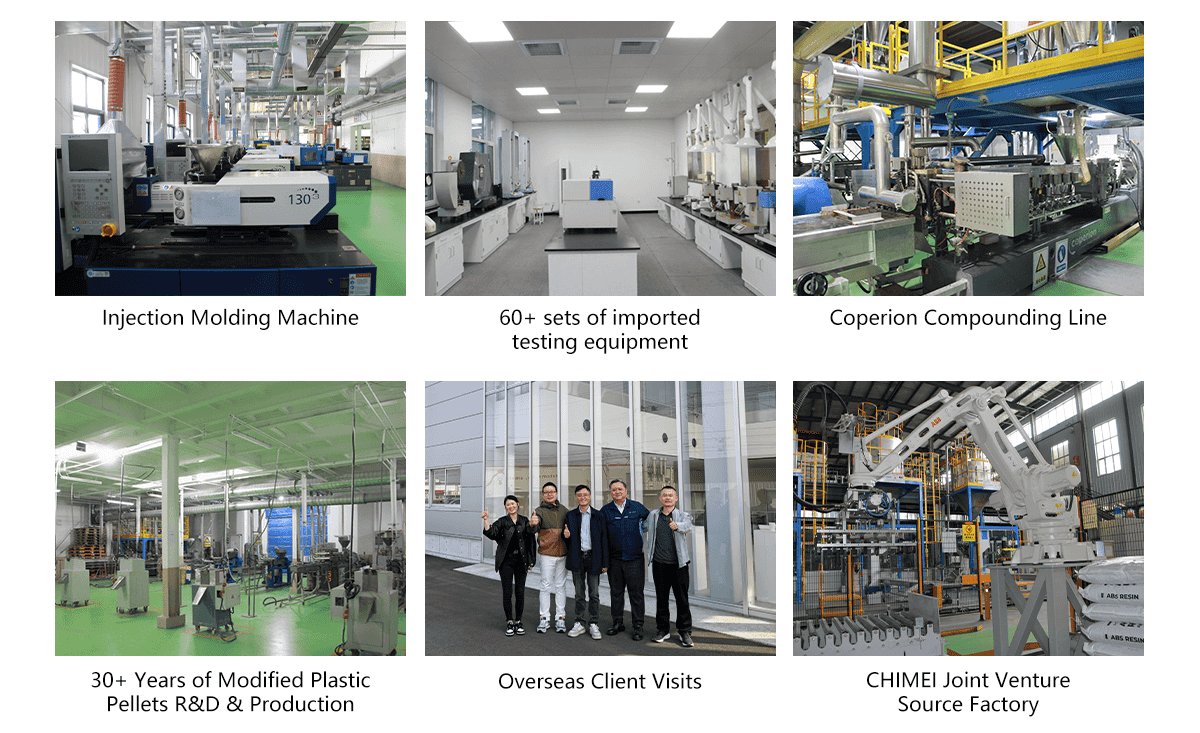
Qingdao Zhongxinhuamei Plastic Co., Ltd has focused on modified plastic flame retardant formula research and development and production for nearly 30 years. According to different customer substrates including PP, ABS, PA6, PA66, PC/ABS, PPO and other materials, we can customize targeted flame retardant modification schemes.
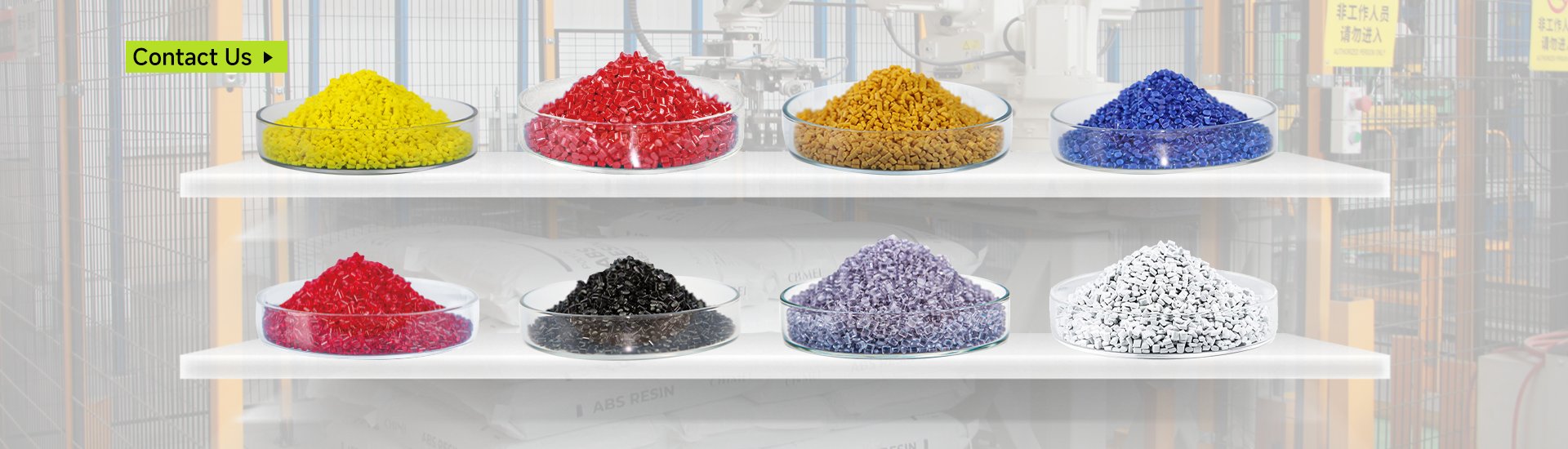
Our company can stably supply halogen-free flame retardant PC/ABS, flame retardant reinforced nylon, low-smoke flame retardant PP, thin-wall V0 grade flame retardant engineering plastics and other full-series flame retardant modified plastic particles. All products strictly control flame retardant addition ratio, effectively avoid mechanical property attenuation, support UL94 V0, V1 and multiple fire safety grades customization, and fully adapt to electrical appliances, automobiles, electronic communications, building fire protection and other multi-industry harsh working conditions.
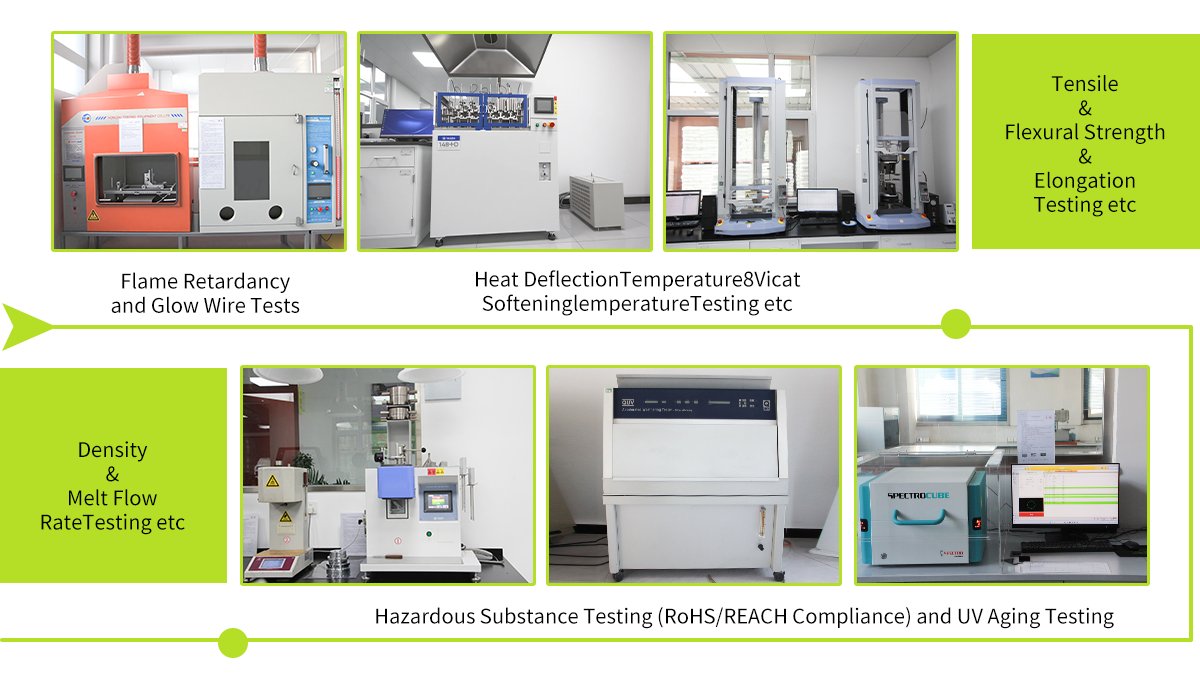
We provide one-stop services including formula debugging, sample testing, batch production and technical guidance, helping downstream injection molding manufacturers quickly pass product fire safety certification, reduce product defective rate and improve core market competitiveness.
ConclusionFlame retardant modification is an indispensable key process for modern high-safety modified plastics. Different types of flame retardants have their own unique working mechanisms and applicable scenarios. Only by combining plastic substrate characteristics, product use environment, fire safety standards and production cost demands can we select the most scientific and reasonable flame retardant matching scheme.

With the continuous upgrading of global environmental protection policies and fire safety regulations, halogen-free, low-smoke, low-toxicity and high-efficiency multifunctional flame retardant modified plastics will become the mainstream development trend of the industry. Choosing formal and powerful modified plastic manufacturers for long-term stable cooperation is the key to realizing stable product quality and sustainable enterprise development.